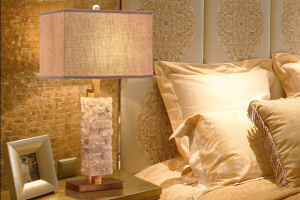
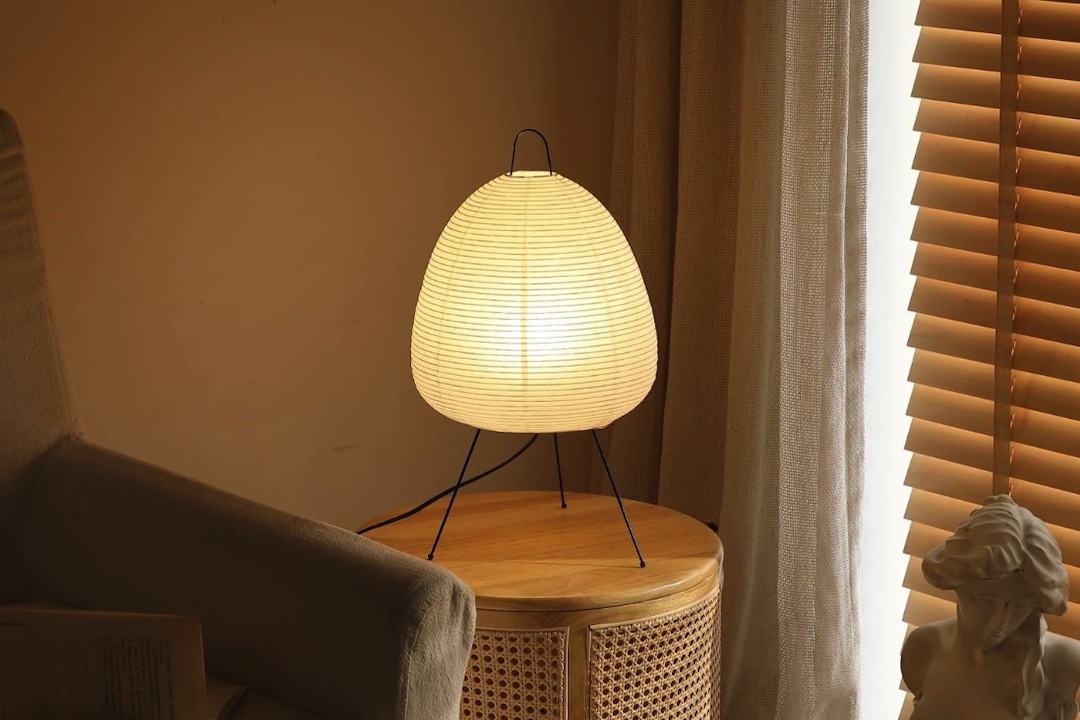
Sure, let’s talk about creating a cozy Japandi reading nook. If you’re wondering how to make that happen, a key player is often a linen shade table lamp. It’s not just about the light; it’s about the mood it sets. A well-chosen lamp with a natural linen shade can instantly bring that warm, inviting, and minimalist feel that Japandi style is all about.
The Heart of Your Cozy Corner: The Japandi Vibe
Japandi, for those a little less familiar, is essentially a blend of Japanese and Scandinavian design principles. Think of it as the best of both worlds: the Japanese appreciation for natural materials, minimalism, and tranquility, combined with the Scandinavian focus on functionality, comfort, and light Uselu. It’s not about clutter or elaborate decoration; it’s about creating spaces that are both beautiful and liveable.
When we talk about a reading corner, we’re talking about a personal sanctuary. It’s a spot where you can escape the demands of the day, dive into a good book, and truly decompress. The atmosphere here is paramount. It needs to feel calm, inviting, and conducive to focus without feeling sterile. This is where carefully selected elements, like lighting, come into play.
Why a Linen Shade Table Lamp? It’s All in the Texture and Glow
So, why specifically a linen shade table lamp? It’s a choice that goes beyond just illumination.
Natural Materials: The Foundation of Japandi
Japandi design leans heavily on natural elements. Wood, stone, bamboo, and of course, textiles like linen, are central to its aesthetic. Linen, with its slightly textured, matte finish, instantly adds a layer of organic warmth. It’s not a high-gloss, synthetic material; it feels grounded and authentic.
- Tactile Appeal: The subtle texture of linen adds a sensory dimension to your space. Running your hand over it, or even just seeing its natural weave, contributes to the cozy, lived-in feel.
- Breathable Quality: Unlike some synthetic fabrics, linen has a certain breathability that aligns with the airy, natural feel of Japandi.
The Quality of Light: Softness and Warmth
This is where the linen shade really shines, pun intended.
- Diffused Glow: A linen shade isn’t just a cover; it’s a diffuser. It takes the direct glare of the bulb and softens it, spreading a warm, gentle light throughout your reading area. This is crucial for creating a relaxing ambiance.
- Warm Tones: The natural color of linen, even when dyed, tends to absorb and reflect light in a way that promotes warmer tones. This is the antithesis of harsh, cool, or overly bright artificial light, which can be jarring and counterproductive to relaxation.
- Reducing Shadows: The diffused light helps to minimize harsh shadows, creating a more uniform and inviting illumination perfect for reading without straining your eyes.
Versatility in Design: It Just Fits
Japandi is about simplicity and functionality, and a linen shade table lamp hits both.
- Uncluttered Aesthetic: The simplicity of a linen shade complements the minimalist nature of Japandi. It doesn’t demand attention but rather enhances the overall feel of the space.
- Adaptable to Various Bases: You can find linen shades paired with all sorts of lamp bases that suit Japandi. Think natural wood (light oak, walnut), minimalist ceramic, or even brushed metal. This flexibility means you can tailor the lamp to your specific aesthetic.
- Subtle Detail: It adds a touch of subtle detail without being overwhelming. It’s that quiet element that makes a big difference.
Selecting the Right Lamp Base: The Perfect Partner for Your Linen Shade
The shade is a vital component, but it’s only half the story. The lamp base plays an equally important role in achieving that authentic Japandi look and feel for your reading corner.
Embracing Natural Wood: A Core Japandi Element
Wood is king in Japandi design, and it’s a natural fit for a lamp base.
- Light Woods: Think of finishes like light oak, ash, or birch. These evoke the Scandinavian side of Japandi, bringing a sense of brightness and airiness. A light wood base can make your reading corner feel open and inviting, especially in smaller spaces.
- Mid-Tone Woods: Walnut or teak can bring a touch of warmth and sophistication, leaning more towards the Japanese influence. These woods often have beautiful grain patterns that add visual interest without being distracting.
- Minimalist Shapes: Look for bases with clean lines and simple forms. Avoid anything overly ornate or chunky. A tapered cylinder, a gently curved arm, or a simple tripod design are all excellent choices.
- Consider the Finish: A natural, matte, or matte-finished wood base will feel more authentic than something with a high gloss. This maintains the organic, tactile quality central to Japandi.
Ceramic and Terracotta: Earthy and Grounded
Ceramics add a different kind of natural texture and an earthy groundedness.
- Matte Textures: Opt for finishes that are matte or have a slight texture, like unglazed terracotta or matte ceramic. This again ties back to the tactile and natural elements of Japandi.
- Neutral Palettes: Colors like off-white, cream, beige, stone grey, or muted blues and greens are perfect. These colors blend seamlessly into a Japandi palette and create a calming effect.
- Organic Forms: Think of shapes that are inspired by nature – rounded, slightly irregular, or vase-like forms. These can add a subtle artistic flair to your lamp.
- Handcrafted Feel: Lamps with a slightly handmade appearance, even if mass-produced, can enhance the authenticity. This could be a subtle variation in glaze or a less-than-perfectly symmetrical shape.
Subtle Metal Accents: A Touch of Modernity
While natural materials are paramount, subtle metal accents can work, especially if they lean towards understated elegance.
- Brushed or Matte Finishes: Avoid anything too shiny or polished. Brushed brass, matte black, or dark bronze can work, but they need to be used sparingly.
- Minimalist Structures: Metal bases should be slim and streamlined. Think of a thin rod, a delicate frame, or a simple geometric shape. These can provide a modern counterpoint to the softness of the linen shade without disrupting the Japandi aesthetic.
- Complementary Colors: Ensure the metal color complements your chosen wood or ceramic elements. A dark metal might pair well with a richer walnut, while a brushed brass could softly accent a lighter wood.
Placement and Integration: Making Your Reading Corner Shine
Once you have your perfect lamp, its placement is key to unlocking its full potential in your reading corner.
Creating the Perfect Illumination Zone
The primary goal of your reading lamp is, of course, to provide light for reading, but it’s also about creating a distinct zone of comfort.
- Direct but Diffused Light: Position the lamp so that the light falls directly onto your book or e-reader, but without causing glare. The linen shade is crucial here for diffusing the light.
- Avoid Overlighting: You don’t want your reading corner to be the brightest spot in the room. The goal is a gentle pool of light that invites you in.
- Consider the Height: The height of the lamp and where the light source sits relative to your seated position is important. Too low, and it might be in your line of sight; too high, and the light might not reach your book effectively. Aim for the light source to be roughly at eye level when you’re seated.
Complementing Your Seating
The relationship between your lamp and your chair or sofa is crucial.
- Side Table Integration: A common and practical setup is placing your lamp on a side table next to your reading chair. Ensure the table is at an appropriate height to accommodate the lamp and any other essentials you might want nearby (a mug, a book, reading glasses).
- Floor Lamp Alternative: If a side table isn’t an option, a slim floor lamp with a linen shade positioned behind or beside your chair can also work wonderfully. This allows the light to arc over your reading position.
- Task and Ambient Lighting: Your reading lamp can serve as both task lighting (for reading) and ambient lighting for a small area. Think about how the light spills out and contributes to the overall mood of your corner.
Balancing with Other Elements
Your reading corner isn’t just the lamp and the chair; it’s a holistic space.
- Natural Light Harmony: Position your lamp so it complements, rather than competes with, any natural light sources you have. Sometimes, a lamp can help fill in the gaps where natural light is insufficient.
- Symmetry and Asymmetry: Japandi often plays with balance. You might place the lamp symmetrically on either side of a larger seating arrangement, or asymmetrically to create a more dynamic, yet still calm, arrangement.
- Minimizing Clutter: Ensure the area around your lamp remains uncluttered. A few well-chosen decorative items are fine, but avoid overstuffing the space, which can detract from the serene atmosphere.
Styling Your Japandi Reading Corner: Beyond the Lamp
While our linen shade table lamp is a star, it works best when surrounded by other elements that echo the Japandi ethos.
The Essential Seating: Comfort Meets Minimalism
The foundation of any reading nook is its seating.
- Comfort is Key: This is where the “cozy” really comes into play. Choose a chair or sofa that is genuinely comfortable for long periods of sitting. Think plush cushions, supportive backrests, and a good depth.
- Natural Materials: Upholstery in natural fabrics like linen, cotton, or subtly textured wool is ideal. Look for neutral colors like beige, grey, cream, or muted earth tones.
- Clean Lines: The silhouette of the furniture should align with Japandi principles – clean lines, minimalist forms, and avoiding excessive ornamentation. Consider a Scandinavian-inspired armchair with wooden legs or a low-profile sofa.
Textural Layers: Adding Depth and Warmth
Beyond the upholstery, think about adding layers of texture.
- Throw Blankets: A soft, natural fiber throw blanket draped over your chair is a must. Think chunky knit wool, soft linen, or a textured cotton blend. These add both visual and tactile warmth.
- Cushions: A couple of well-placed cushions can enhance comfort and add subtle decorative elements. Again, opt for natural materials and muted, complementary colors. Consider cushions with subtle patterns that draw inspiration from nature, like abstract waves or minimalist leaf motifs.
- Rugs: A small rug under your seating area can define the space and add another layer of texture and warmth. Natural fiber rugs like jute, sisal, or a soft wool rug in a neutral tone are excellent choices.
Natural Accents and Greenery: Bringing the Outdoors In
The Japanese influence strongly emphasizes connecting with nature.
- Plants: A few well-chosen houseplants are fantastic for adding life, color, and a sense of tranquility. Opt for plants with interesting leaf shapes, like a Snake Plant, a ZZ Plant, or a Pothos.
- Wood Elements: Incorporate other wooden elements in your corner, such as a small side table made of light wood, a wooden tray, or even a simple wooden decorative object.
- Ceramic Vases and Bowls: Small ceramic vases or bowls with a matte finish and neutral colors can add a touch of artistry and grounding. These can hold a single stem or a small arrangement of dried flowers.
- Minimalist Art: If you choose to display art, keep it minimalist and nature-inspired. Think abstract landscapes, subtle botanical prints, or simple ink drawings.
The Finishing Touches: Elevating Your Sanctuary
These small details can make a big difference in transforming your reading corner into a truly special space.
Curating Your Reads
The books themselves become part of the decor.
- A Thoughtful Selection: Display books that you love and are excited to read. The spines and covers can add color and personality to your corner.
- Organized Stacks: Keep your bedside table or side table tidy. A small, neat stack of current reads is more inviting than a chaotic pile. Consider a minimalist book holder or a small wooden shelf.
- E-readers and Accessories: If you use an e-reader, ensure it has a minimalist cover that complements your aesthetic. Keep charging cables neatly tucked away.
Personal Touches, De-Cluttered
This is about making the space feel like yours, without accumulating clutter.
- A Meaningful Object: A single, meaningful object can add a personal touch. This could be a small sculpture, a hand-painted stone, or a framed photo. The key is that it’s not just decorative; it holds significance for you.
- Candles and Aromatherapy: A subtly scented candle with natural notes (like sandalwood, cedarwood, or lavender) can enhance the relaxing atmosphere. Use them sparingly and with caution. Small, natural reed diffusers are also a good option.
- Comfort Items: Things that genuinely enhance your comfort – a soft pair of reading socks, your favorite mug for a warm drink – can be kept within easy reach.
Lighting Control: Fine-Tuning the Ambiance
Your linen shade lamp provides the main light, but consider how you can adjust it.
- Dimmer Switches: If your lamp has a dimmer function, use it! This allows you to adjust the intensity of the light based on your preference or the time of day, further enhancing the cozy feel.
- Smart Bulbs: Consider smart bulbs that allow you to adjust the color temperature of the light. You can often choose warmer, softer tones in the evening, which is perfect for winding down.
- Backup Lighting: For very dark corners or if you prefer a layered lighting approach, a small, unobtrusive floor lamp or even a string of subtle fairy lights (used sparingly and tastefully) could add an extra touch of magic.
By thoughtfully combining these elements, your linen shade table lamp will transition from a functional item to a central piece in creating a Japandi reading corner that is both beautiful and deeply restorative. It’s about creating a space that feels intentional, calm, and utterly conducive to getting lost in a story.