Lighting a kids’ room isn’t just about brightness; it’s a golden opportunity to add personality, encourage play, and yes, even help keep things tidy. The main idea here is to integrate lighting solutions that not only illuminate the space but also cleverly hide or minimize the visual impact of clutter. Think of it as a double win: a well-lit, engaging room that also looks a bit neater.
Good lighting does more than just let your child see their toys. It sets the mood, defines areas, and can make a small room feel bigger or a messy room feel more organized. When we talk about “concealing clutter,” we’re not advocating for stuffing things under the bed in the dark. Instead, it’s about using Looou light to draw attention away from areas that might be less organized or to highlight storage solutions that keep things neatly tucked away. It’s about visual trickery, but the good kind!
Why Integrated Lighting is Your Friend
Instead of just adding a lamp, think about how lighting can become part of the room’s architecture or furniture. This means less visual bulk from standalone fixtures and more seamless integration. When lighting is built-in, it reduces the number of items that can contribute to a cluttered feel themselves. Imagine a shelf that is the light source, rather than a shelf with a lamp on it.
Beyond the Basic Overhead Light
While a central overhead light is a good starting point for general illumination, relying solely on it can create harsh shadows and make a room feel flat. A layered lighting approach, incorporating ambient, task, and accent lighting, is much more effective. This not only provides better light for various activities but also creates depth and interest, diverting the eye from any minor disarray.
Strategic Placement: Hiding in Plain Sight
Where you put your lights can make a huge difference in how organized a room feels. This isn’t just about aesthetics; it’s about making clutter less noticeable by controlling where the eye naturally lands.
Illuminating Storage Solutions
This is where the magic happens. Instead of letting storage units become dark, imposing blocks, illuminate them.
Under-Shelf LED Strips
Imagine a row of open shelves filled with books or toys. While functional, they can sometimes look a bit jumbled. Attaching thin LED strip lights to the underside of each shelf immediately transforms them. The light draws attention to the shelf and the items displayed, making it feel intentional and curated, rather than just a storage spot. It also makes it easier for your child to see and access what’s there, encouraging them to put things back in their designated spots. This works particularly well for shelves in a reading nook or above a desk.
Backlit Cubbies and Bins
For cubby units, especially those with fabric bins, a subtle light source behind or within the cubby can make a big difference. This isn’t about blinding light, but a soft glow that defines the storage space. If using fabric bins, a small puck light or a short LED strip attached to the back wall of the cubby can create a warm, inviting glow that makes the cubby feel like a dedicated zone for its contents. This also highlights the structure of the storage, reinforcing the idea of organization.
Wardrobe Interior Lighting
Let’s be honest, wardrobes can be black holes. Adding automatic-on lights inside a wardrobe (think battery-operated puck lights or motion-sensor LED strips) not only makes it easier for your child to find clothes but also creates a sense of order. When they open the door and see everything well-lit, it subtly encourages them to keep it tidy, as opposed to rummaging in the dark. This is particularly useful for smaller closets where items can easily get lost.
Drawing the Eye Upwards
When clutter is low to the ground (which it often is in a kid’s room), you can redirect focus.
Ceiling-Washed Walls
Install uplighters or LED strips along the top edge of walls, pointing upwards. This washes the ceiling with light, making the room feel taller and airier. The eye is naturally drawn upwards, away from the floor where toys might be scattered. This creates a sense of expanse and can make a smaller room feel larger, reducing the visual impact of ground-level items.
Pendant Lights with Visual Interest
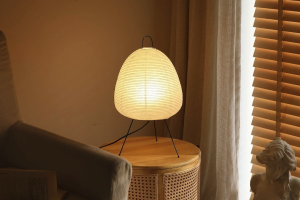
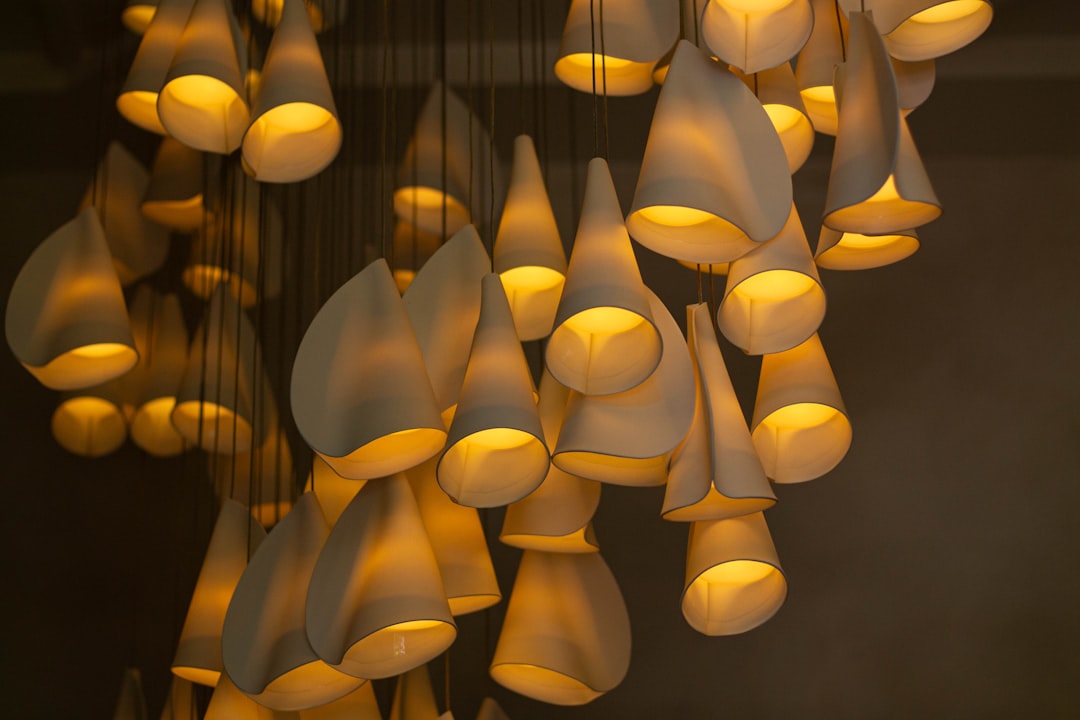
A striking pendant light, especially one with a unique shape or design, can become a focal point. When the eye is drawn to an attractive fixture high above, the bits and bobs on the floor or desk become less prominent. Choose one that fits the room’s theme without being overly stimulating. Think a cloud, a star, or a simple but elegant globe. The key is that it’s interesting enough to be a central visual element.
Integrated Design: Lighting as Part of the Solution
Beyond just placement, consider how the light fixture itself can be seamlessly woven into the room’s design, becoming part of the furniture or structure. This minimizes standalone items that can contribute to a cluttered look.
Built-In Bedside Nooks
Instead of a bedside table with a lamp, design a bedside nook or shelf that incorporates lighting directly.
Recessed Shelving with Integrated Lights
Imagine a small alcove next to the bed, perfect for books and a water bottle. Install slim LED strips along the top or sides of this recess. This provides perfect reading light without any lamp taking up valuable surface space on a nightstand. It looks clean, modern, and reduces the number of items on display. This also creates a very cozy, defined space for winding down.
Headboard Lighting
A custom headboard can include built-in LED strips or small, directional reading lights. This frees up bedside table space entirely. It’s particularly effective in smaller rooms where every inch counts. The lighting can be controlled with an easy-to-reach switch on the headboard itself. This eliminates the need for a separate lamp and its cord, reducing visual clutter.
Play Area Illumination
Defining play areas with light can help contain the mess, at least visually.
Under-Desk Lighting
For a desk or craft table, a strip light mounted underneath the upper shelf or directly onto the underside of the desk surface provides excellent task lighting. This illuminates the workspace directly, making it easier to keep organized and clean. When the work surface is well-lit, it encourages tidiness and discourages items from piling up in dark corners.
Play Mat Perimeter Lighting
For a dedicated play mat area, consider installing a thin strip of floor-level LED lighting around its perimeter. This creates a soft glow that delineates the play zone. It’s a subtle way to say, “this is where the fun happens,” and implicitly suggests that toys should stay within that lit boundary. It also adds a cool, modern touch to the room.
Creative Concealment: Using Light for Visual Order
Sometimes it’s not about hiding the clutter entirely, but about using light to create a sense of order and focus.
“Spotlight” on Organization
Shine a light on the good stuff – the organized stuff!
Highlighting Display Shelves
If your child has a collection they’re proud of (trophies, favorite books, specific toys), dedicate a shelf or two to these items. Then, use small, directional spotlights or puck lights to illuminate these shelves specifically. This draws the eye to the curated display, making other, less organized areas fade into the background. It emphasizes what is neat and intentional.
Illuminated Labels for Bins
For storage bins, especially opaque ones, consider attaching small, battery-operated lights behind or above clear labels. This makes the labels pop and makes it easier for your child to identify where things go. The act of finding the right bin becomes part of a fun, illuminated game, encouraging them to put things away correctly.
Ambient Hues for a Calming Effect
A chaotic room can feel even more so under harsh, bright white light.
Color-Changing LEDs (Subtle Use)
While full-on disco lights might be too much, subtly color-changing LED strips can be used to create a calming ambiance. A soft blue or green hue can make a room feel more serene, even if there are a few toys out. The focus shifts to the overall mood rather than individual items of clutter. Use them indirectly, perhaps behind a headboard or along a ceiling cove.
Dimmable Lights Throughout
The ability to dim lights is crucial. A brightly lit room can expose every speck of dust and every misplaced toy. Dimming the lights can instantly create a softer, more forgiving atmosphere. It’s not about hiding dirt, but about creating a peaceful environment where minor clutter doesn’t feel overwhelming. This is particularly useful for winding down before bedtime.
Safety and Practicality First
While creativity is great, safety and functionality in a child’s room are paramount. Always choose child-safe fixtures and ensure all wiring is properly installed and concealed.
Durable and Child-Friendly Fixtures
Opt for robust materials that can withstand accidental bumps. Avoid glass in areas where it could break easily. Look for fixtures that are cool to the touch if they’re within easy reach.
Easy Access and Control
Switches should be at a height your child can easily reach, encouraging independence. Dimmers and remote controls can also be very helpful for creating different moods and making bedtime routines smoother. Consider smart lighting systems that can be controlled via an app or voice command.
Energy Efficiency
LEDs are your best friend here. They’re energy-efficient, long-lasting, and often emit less heat, making them a safe and economical choice for children’s rooms. Plus, many LED strips and puck lights are low voltage, adding another layer of safety.
By thinking beyond just a single overhead light, and instead considering how various light sources can be integrated, placed strategically, and even become part of the storage solution, you can create a child’s room that is not only beautifully lit and engaging but also feels remarkably organized, even when a few toys are out of place. It’s about empowering visual perception to make a room feel calmer and more curated, fostering a better environment for play, rest, and growth.