So, you’re looking to make your guest room a truly welcoming and comfortable space, and you’ve realized that lighting plays a huge role in that. You’re not wrong! Good guest room lighting isn’t just about being able to see; it’s about setting a mood, making the room functional for different activities, and showing your guests you’ve put some real thought into their stay. Forget harsh overheads and basic lamps; we’re diving into how to create a lighting scheme that feels both practical and a little bit special.
The Layers of Light: Why One Type Isn’t Enough
Think of guest room lighting Slappr like building a good meal. You don’t just throw everything in a pot and hope for the best. You need different ingredients, prepared in different ways, to create something delicious. Lighting is similar. Relying on a single light source, usually a central overhead fixture, leaves your guest room feeling flat and often impractical. We need to build layers of light to cater to different needs and create ambiance.
Ambient Lighting: The Foundation
This is the general, overall illumination of the room. It’s the light you’d use when someone first walks in, or when they need to navigate the space easily. Think of it as the soft background hum that makes the whole room feel lit.
Overhead Fixtures Done Right
The dreaded “boob light” or a single, stark bulb can be the enemy of a cozy guest room. If you have an overhead fixture, consider something that diffuses light. A drum shade, a frosted glass bowl, or even a stylish pendant light can soften the glare and spread light more evenly. The key here is to avoid direct, harsh illumination.
- Dimmers are your best friend: Seriously, if you do nothing else, install a dimmer on your main overhead light. This instantly gives your guests control. They can have it bright enough to unpack easily, or dim it down for a more relaxed evening.
- Recessed lighting with caution: While popular, a whole ceiling of recessed lights can feel like an interrogation room. If you opt for them, ensure they are spaced well and consider aiming them at walls or away from the main sleeping area. Using them as part of a layered system, rather than the sole source, is key.
- Consider wall sconces as primary ambient light: In some cases, especially in smaller rooms or those with lower ceilings, strategically placed wall sconces can provide excellent ambient light without the need for a central overhead fixture.
Task Lighting: For When They Need to Do Something
This is the focused light you need for specific activities. Think reading in bed, working at a desk, or applying makeup at a vanity. Without good task lighting, your guests might be struggling with their book in a dim corner or trying to balance their laptop precariously.
Bedside Brilliance
This is arguably the most critical task lighting. Guests will want to read in bed, find their phone, or simply have a gentle light to navigate to the bathroom in the middle of the night.
- Adjustable bedside lamps: Table lamps on nightstands are classic for a reason. Opt for ones with flexible arms or shades that can be angled. This allows guests to direct the light precisely where they need it.
- Wall-mounted reading lights: These are a fantastic space-saver and look very polished. Many modern versions offer adjustable arms and even built-in USB ports, which are a thoughtful touch.
- Consider the bulb type: For reading, a warm white (around 2700K-3000K) bulb is ideal. It’s less harsh on the eyes than cool white.
Desk Duty and Vanity Vibes
If your guest room has a desk or a vanity area, dedicated lighting is a must.
- Desk lamps: A simple, functional desk lamp is essential if you have a workspace. Again, adjustability is key.
- Vanity lighting: If you have a makeup vanity, consider lighting that illuminates the face evenly. Sconces on either side of a mirror are great, or a strip of LED lights behind the mirror can provide a flattering glow. Avoid a single overhead light directly above, which can create shadows.
Accent Lighting: Adding Depth and Drama
This is the “wow” factor. Accent lighting highlights specific features in the room, like artwork, architectural details, or a beautiful plant. It adds visual interest and can make the space feel more sophisticated and cared for.
Highlighting the Details
Don’t underestimate the impact of a little strategically placed light.
- Picture lights: If you have artwork on the walls, a small picture light can make it pop. This adds a gallery-like feel to the room.
- Uplighting plants: A small, directional spotlight or even a puck light placed at the base of a larger plant can create a dramatic shadow play and highlight its form.
- Illuminating shelves: Small LED strip lights under shelves or behind decorative items can add a subtle glow and make them a focal point.
Controlling the Glow: Smart Switches and Smart Fixtures
Once you’ve got your layers of light planned, think about how your guests will control it. This is where usability really shines.
The Power of Dimmers
We’ve mentioned them, but it bears repeating: dimmers are your secret weapon for creating adaptable lighting.
Beyond the Basics
- Dimmer switches for all main lights: Ensure that your overhead fixtures, and often bedside lamps, are on dimmer switches. This allows for a spectrum of light intensity.
- Different types of dimmers: Consider dimmer switches that offer a smooth transition, rather than just a few steps. Some advanced dimmers even have preset “scenes” that you can program.
Smart Lighting Options
For the tech-savvy host (or guest), smart lighting can elevate the experience.
Convenience and Customization
- Smart bulbs: These can be controlled via an app or voice commands. You can change brightness, color temperature, and even color (though for a guest room, sticking to warm white variations is usually best for general use).
- Smart switches: These offer similar control to smart bulbs but are integrated into the wall switch.
- Setting the mood: You can pre-set “scenes” like “Reading” or “Relax,” which adjust multiple lights to the perfect setting with a single tap or voice command. Just make sure the controls are intuitive for your guests!
Choosing the Right Fixtures: Style Meets Function
The actual lamps and fixtures you choose matter. They need to be safe, functional, and complement your guest room’s decor.
Practical Considerations First
Before you get lost in beautiful designs, think about what the fixture actually needs to do.
Safety and Stability
- Sturdy bases for table lamps: You don’t want a lamp that tips over easily. A heavier, wider base is always a good idea.
- Secure wall-mounted fixtures: Ensure any wall sconces or reading lights are securely attached.
- Cord management: Tidy cords are not only safer but also look much better. Consider cord clips or channels.
Ease of Use
- Accessible switches: Can your guests easily reach the on/off switch or dimmer without fumbling? For bedside lamps, having the switch on the cord or the base is often more convenient than reaching behind the headboard.
- Bulb replacement: Think about how easy it will be to replace a bulb when it eventually burns out. Avoid fixtures that require special tools or awkward contortions.
Aesthetic Integration
Once the practicalities are sorted, let the style come into play.
Matching Your Decor
- Complementary styles: Choose fixtures that align with the overall design of your guest room. A modern room might suit sleek, minimalist fixtures, while a more traditional room could benefit from classic brass or ceramic lamps.
- Mixing and matching: Don’t be afraid to mix materials and styles, as long as there’s a cohesive thread. For instance, a metallic finish on a bedside lamp could tie in with hardware on a dresser.
Creating Cohesion with Lighting
- Consistent finishes: While not essential for every single fixture, having a few consistent finishes (like brushed nickel or matte black) across your lighting can help tie the room together.
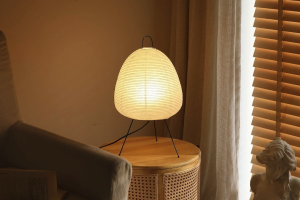
- Consider lamp shades: The material and color of lamp shades can significantly impact the light quality. Linen shades offer a soft, diffused light, while metallic interiors can reflect and amplify light.
The Power of Warmth: Color Temperature and Bulb Choice
This is where a lot of people go wrong. The “color” of light, measured in Kelvin (K), makes a huge difference to how a room feels.
Understanding Kelvin (K)
Think of it as a spectrum:
- Warm White (2700K – 3000K): This is the most common and generally preferred for living spaces and bedrooms. It’s cozy, relaxing, and similar to the light of an incandescent bulb. Perfect for evening relaxation and reading.
- Cool White / Bright White (3500K – 4100K): This is a more neutral, crisp light. It can be good for task lighting in areas where you need to see clearly, like a desk, but can feel a bit sterile for ambient lighting in a bedroom.
- Daylight (5000K+): This is very bright and bluish. It’s excellent for areas where you need high visibility and color accuracy, like a workshop or a craft room, but it’s generally too harsh and stimulating for a guest bedroom.
Finding the Sweet Spot for Guests
- Prioritize warm white for ambient and bedside lighting: This creates a relaxing and inviting atmosphere.
- **Consider slightly cooler tones for task areas if needed:** A desk lamp could have a slightly cooler bulb if the guest might be doing detailed work, but always offer a warm white option if possible.
- LEDs are your best bet: They are energy-efficient and come in a wide range of color temperatures.
Bulb Types: What to Look For
- LEDs: As mentioned, they are the modern standard. They last a long time, save energy, and offer great flexibility in terms of color and dimmability.
- Dimmable bulbs: Ensure any LED bulbs you use are specifically marked as “dimmable” if they are going into a fixture with a dimmer switch. Non-dimmable LEDs can buzz or even be damaged when used with a dimmer.
- Wattage vs. Lumens: Don’t get too hung up on wattage for LEDs, as they are very efficient. Instead, look at lumens for brightness. A typical bedside lamp might need 450-800 lumens.
Extra Touches: The Details That Delight Guests
Beyond the main lighting fixtures, a few small additions can make your guest room lighting truly exceptional.
Making the Little Things Count
These are the thoughtful gestures that guests will notice and appreciate.
Nightlights: A Gentle Guide
- Soft, low-level light: A subtle nightlight can be a lifesaver for guests who need to get up in the night. Opt for one that casts a gentle, warm glow, not a bright, intrusive beam.
- Placement is key: Consider placing a nightlight in the hallway leading to the bathroom or in the guest room itself, near the door. Automatic dusk-to-dawn sensors are a great feature.
Motion-Sensor Lighting
- Hallways and closets: Motion-sensor lights in closets are a brilliant convenience. Similarly, a discreet motion-sensor light in a hallway can be very helpful.
- Consider the sensitivity: You don’t want a light that comes on every time someone rolls over in bed, so look for adjustable sensitivity if possible.
Accessible Outlets and Charging Stations
- Near the bedside: Ensure there are accessible outlets near the bedside tables for charging phones and other devices.
- USB ports: Built-in USB ports in lamps or outlet plates are a fantastic convenience that guests will truly appreciate.
By thinking about lighting in layers, prioritizing functionality, and adding those thoughtful touches, you can transform your guest room from a basic necessity into a truly comfortable and inviting sanctuary for anyone lucky enough to stay there. Happy lighting!