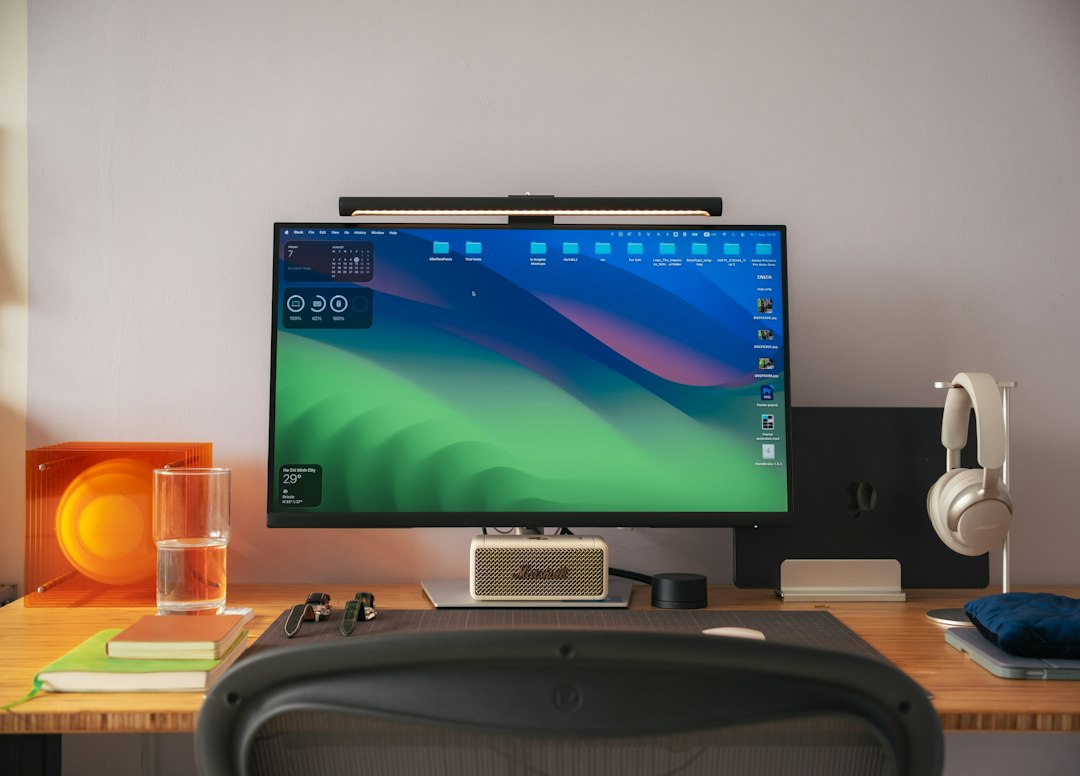
So, you’re looking for a reading lamp for your home office, and you’ve stumbled upon the idea of an elegant faceted alabaster one. Good choice! To put it simply, an elegant faceted alabaster reading lamp offers a unique blend of sophisticated aesthetics, warm, diffused light, and a touch of natural luxury that can genuinely elevate your workspace. It’s not just about illumination; it’s about creating an atmosphere conducive to focused work and comfortable reading, all while adding a statement piece to your decor.
Why Alabaster Stands Out
Alabaster isn’t just another material; it’s a natural mineral with properties that make it particularly suited for lighting. Unlike glass or plastic, alabaster has a distinct translucency that allows light to pass through in a very specific, beautiful way.
The Natural Beauty of Alabaster
What makes alabaster so appealing is its inherent natural beauty. Each piece is unique, featuring subtle veining, swirls, and color variations, typically in shades of white, cream, or a very light amber. These patterns aren’t artificial; they’re formed over millennia, giving every lamp a one-of-a-kind character. This means your lamp won’t look exactly like anyone else’s, even if it’s the same model. The surface itself often has a soft, almost waxy luster that feels good to the touch and reflects ambient light gently. This natural quality ensures that the lamp doesn’t just illuminate but also serves as an artistic focal point in your office.
Unique Light Diffusion
This is where alabaster truly shines (pun intended). Its semi-translucent nature acts as a natural diffuser. Instead of a harsh, direct beam of light, alabaster filters and softens the illumination, creating a warm, inviting glow. Imagine the difference between a bare light bulb and one behind a frosted glass shade; alabaster takes that diffusion a step further. The light isn’t just softened; it’s imbued with a gentle warmth and evenness, eliminating harsh shadows and reducing glare. This diffused light is incredibly beneficial for reading and extended periods of work, as it’s far less straining on the eyes. It creates a serene ambiance that helps reduce visual fatigue, making your office a more comfortable place to be for hours on end.
Durability and Care Considerations
While alabaster is a natural stone, it’s softer than marble or granite. This means it requires a bit more care than, say, a metal lamp. It’s susceptible to scratching and can be damaged by harsh chemicals. However, with proper handling, an alabaster lamp can last a lifetime and retain its beauty. For cleaning, a soft, dry cloth is usually sufficient to remove dust. For more stubborn marks, a slightly damp cloth with plain water can be used, but always ensure it’s dried thoroughly afterward to prevent water spotting. Avoid abrasive cleaners or anything acidic, as these can etch or stain the stone. Given its delicate nature, it’s best placed where it won’t be easily bumped or knocked over, making a stable desk or shelf an ideal spot in a home office.
Faceted Design: Adding Depth and Interest
The “faceted” aspect of these lamps isn’t just a design choice; it plays a role in both aesthetics and how the light interacts with the material. Think of it like a gemstone, where cuts and angles are crucial.
Beyond a Smooth Surface
A faceted design means the alabaster isn’t just a smooth, curved shape. Instead, it’s cut and polished into multiple flat surfaces, or “facets,” much like a diamond or other precious stone. This geometric approach breaks up the monolithic appearance of a solid block of alabaster, adding visual complexity and a modern edge. These facets can range from large, bold planes to intricate, smaller cuts, depending on the lamp’s overall design. This design choice prevents the lamp from looking too heavy or simplistic, instead giving it a sophisticated, architectural feel. The interplay of these angles also contributes to how light reflects off its exterior, creating subtle glints and shadows even when the lamp is off.
Interaction with Light
The real magic of the faceted design comes alive when the lamp is switched on. The internal light source illuminates the alabaster from within, and as that diffused light travels through the stone, it hits these internal and external facets. Each facet then acts like a tiny prism or lens, subtly refracting and reflecting the light. This creates a mesmerizing play of light and shadow on the lamp’s surface, making the material seem to glow from within and shimmer. Instead of a uniform glow, you get a dynamic, nuanced illumination that highlights the natural veining and the sculptural quality of the design. This interaction adds depth and visual interest that a smooth, rounded alabaster lamp simply wouldn’t offer, turning the lamp into a true focal point.
Modern vs. Classic Aesthetics
Faceted designs often lean towards a more contemporary or even art deco aesthetic, providing a striking contrast to the organic nature of the alabaster itself. While smooth alabaster forms can feel more classical or traditional, the angular cuts introduce a modern sensibility. This makes a faceted alabaster lamp incredibly versatile; it can complement a minimalist home office with its clean lines, or add a touch of understated luxury to a more richly decorated space. The blend of ancient material with modern geometry creates a timeless appeal, ensuring the lamp won’t look dated quickly. It’s a statement piece that bridges different design eras, allowing it to fit into a wide variety of decor styles.
Practical Considerations for Your Home Office
While aesthetics are important, a lamp for a home office needs to be functional. Here’s what to keep in mind.
Appropriate Brightness and Light Color
For a reading lamp, you want sufficient brightness without it being harsh. Alabaster’s natural diffusion helps with this, but the wattage of the bulb still matters. Aim for bulbs that provide adequate illumination for reading without causing eye strain. In terms of light color, a “warm white” (around 2700K-3000K) is generally preferred for reading and creating a cozy office atmosphere, as it mimics natural incandescent light and is less fatiguing than cooler, bluer light. Some lamps might offer dimmable features, which is a fantastic addition, allowing you to adjust the light intensity based on the time of day or task. Remember, the alabaster itself will warm the light slightly, so consider a bulb that is already on the warmer side to enhance this effect, rather than starting with a very cool-toned bulb.
Lamp Placement and Size
Consider where the lamp will sit. Is it for a desk, a credenza, or a small side table next to an armchair where you do some reading? Measure your available space. A reading lamp should typically be positioned to illuminate your reading material without casting shadows from your head or hand. For a desk, this often means placing it to the side of your dominant hand. The size of the lamp itself is also crucial. You don’t want it to overwhelm your desk or be too small to provide effective illumination. A good rule of thumb is that the bottom edge of the lamp shade (or the illuminated alabaster portion) should be roughly at eye level when you’re seated, to prevent direct glare. Also, ensure the base is stable enough to prevent accidental tipping, especially in a busy workspace.
Power Source and Cable Management
Most reading lamps will be corded, so think about your power outlets. Is there an outlet conveniently located, or will you need an extension cord? If so, consider how to manage the cable neatly to avoid a cluttered look and tripping hazards. Some lamps might offer USB charging ports integrated into the base, which can be a useful feature for charging your phone or other devices. Wireless charging pads are also sometimes incorporated into higher-end lamps. While less common for alabaster lamps, battery-operated options exist for ultimate flexibility, though they may offer less sustained brightness. Always check the type of plug and voltage requirements, especially if ordering internationally, to ensure compatibility with your home’s electrical system.
Integrating into Your Home Office Decor
An elegant faceted alabaster lamp isn’t just a light source; it’s a piece of decor that can significantly influence the overall feel of your home office.
Complementing Existing Styles
Because alabaster is a natural material with a neutral color palette (whites, creams, light browns), it’s surprisingly versatile. It can blend seamlessly into various design styles. In a minimalist office, its clean lines and understated luxury can add texture and warmth without clutter. In a more traditional or classic space, it offers a touch of timeless elegance. For a modern or even industrial-themed office, the faceted design provides a geometric counterpoint, softening harsher elements. The key is to see the alabaster as a sophisticated accent. Its natural variations ensure it never looks “out of place,” but rather enhances the existing aesthetic by introducing an organic, yet refined, element.
Creating a Sophisticated Ambiance
The warm, diffused light from an alabaster lamp inherently creates a more inviting and sophisticated atmosphere. Unlike stark, task-oriented lighting, alabaster lighting bathes the room in a gentle glow that promotes comfort and focus. This can transform a sterile office into a more welcoming personal sanctuary. When combined with other elements like rich wood, soft textiles, or subtle metallic accents, the alabaster lamp becomes part of a cohesive design that speaks of quality and thoughtful curation. It suggests a space where details matter, where functionality meets beauty, and where a calming environment is prioritized for productivity and well-being. It elevates the visual experience of being in your office.
Investing in a Statement Piece
Let’s be clear: a genuine, well-crafted faceted alabaster lamp isn’t typically a budget buy. It’s an investment, similar to a good piece of art or quality furniture. However, viewing it as a statement piece changes your perspective. It’s not just another lamp; it’s an object that draws the eye, sparks conversation, and adds significant character to your home office. The unique natural patterns, the intricate faceting, and the superior light quality all contribute to its status as a focal point. Such a piece reflects personal taste and a discerning eye for quality. It’s something you’ll appreciate daily and that can genuinely enhance the perceived value and aesthetic appeal of your entire workspace, making the investment worthwhile for its long-term impact on both utility and decor.
Alternatives and Comparisons
While alabaster is unique, it’s helpful to understand how it compares to other materials you might consider for a reading lamp.
Glass vs. Alabaster
Glass is a common material for lamp shades and bodies, and it offers incredible versatility. You can find clear glass for direct light, frosted glass for diffusion, or colored glass for decorative effects. However, even frosted glass often produces a somewhat sharper diffusion than alabaster. Alabaster’s natural mineral composition gives its light a softer, almost ethereal quality that glass, being man-made, struggles to replicate. Glass can also appear more industrial or generic, whereas alabaster always carries that organic, natural charm. While glass lamps can be cheaper and less delicate, they typically lack the unique veining and the profound, warm glow characteristic of alabaster. If you prioritize that specific soft, organic light and unique material texture, alabaster holds an edge.
Ceramic vs. Alabaster
Ceramic lamps are often lauded for their tactile finishes and ability to be sculpted into various forms. They can be glazed in countless colors and textures, offering a vast array of aesthetic choices. However, ceramic is opaque. This means the light source is almost entirely contained within the shade, and light is only emitted from the top and bottom openings, or through holes cut into the ceramic. While ceramic can create beautiful ambient light, it doesn’t diffuse light through its body in the way alabaster does. If you’re looking for a lamp that truly glows from within and showcases the material itself as part of the light output, alabaster is the clear winner. Ceramic offers decorative solidity, while alabaster provides translucent luminosity.
Metal vs. Alabaster
Metal lamps, typically made from brass, steel, or aluminum, offer durability, a sleek modern look, and can be easily shaped for highly directional task lighting. They are excellent for focusing light exactly where you need it. However, metal is entirely opaque. It reflects light, but it doesn’t transmit or diffuse it. This makes metal lamps fantastic for focused task lighting but often less suitable for creating a soft, ambient glow throughout a space. An alabaster lamp, by contrast, offers both direct light (depending on the design) and a beautiful, gentle ambient illumination through its translucent body. For a home office where you might want both focused reading light and a generally warmer atmosphere, combining the diffused light of alabaster with an additional metal task lamp could be ideal, but for standalone warmth and unique light quality, alabaster is superior.
Wood vs. Alabaster
Wood lamps bring natural warmth, texture, and often a handcrafted feel to a space. They can range from rustic to highly modern and are excellent for adding an organic touch. Like metal and ceramic, however, wood is an opaque material. Any light from a wood lamp emanates from an open shade or a separate element attached to the wooden structure. While wood bases paired with alabaster shades can be a stunning combination, a lamp made entirely or predominantly of wood will not offer the unique light diffusion and “glow from within” effect that an alabaster lamp provides. If your priority is the distinctive way light interacts with the material itself, creating a luminous body, then alabaster is the choice over solid wood.