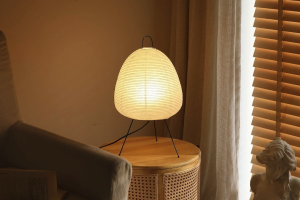
Why an Oversized Linen Wall Washer Light is a Smart Entryway Choice
Looking to make your entryway truly welcoming and functional? An oversized linen shade wall washer light can be a fantastic solution. These fixtures are designed to cast a soft, ambient glow upwards and across your wall, rather than directly downwards, creating a warm and inviting atmosphere without harsh glare. The “oversized” aspect means it makes a statement, becoming a deliberate design element, while the “linen shade” diffuses light beautifully, adding texture and a touch of organic elegance. It’s a practical way to illuminate a often-neglected space, setting the tone for your entire home.
Understanding Wall Washer Lighting
Before we dive into the specifics of oversized linen shades, let’s clarify what “wall washer” lighting actually is and why it’s so effective, especially in entryways. Unlike traditional sconces that often cast light outwards or downwards in a more focused beam, a wall washer is designed to illuminate a vertical surface evenly.
How Wall Washer Lights Work
Imagine painting a wall with light – that’s essentially what a wall washer does. The light source is typically positioned a certain distance from the wall (often 12-18 inches, but this can vary depending on the fixture and desired effect) and angled to cast a broad, uniform wash of light across a significant portion of the wall. This creates a soft, indirect illumination that highlights the texture of the wall, makes the space feel larger, and eliminates harsh shadows.
Benefits of Wall Washing in Entryways
Entryways often suffer from poor lighting. Overhead fixtures can create shadows, and traditional sconces might not provide enough overall illumination. Wall washing solves several problems:
- Even Illumination: It removes dark corners and creates a consistent level of light across the entire wall.
- Reduced Glare: By bouncing light off the wall, it avoids direct eye contact with the light source, making the light feel softer and more comfortable.
- Perceived Space Expansion: A brightly lit wall tends to recede, making a narrow entryway feel wider and more open.
- Highlighting Features: If you have artwork, textured wallpaper, or architectural details on your entryway wall, wall washing can beautifully accent them.
- Ambiance Creation: The indirect, diffused light instantly creates a warm, inviting, and sophisticated atmosphere, setting a positive first impression for guests.
Differentiating from Uplighting
While both involve directing light upwards, wall washing and uplighting have distinct purposes. Uplighting is often more focused, creating dramatic shadows and highlighting specific objects or architectural elements from below. Think of a spotlight aimed at a plant. Wall washing, on the other hand, aims for a broad, even spread of light across a surface. The goal is to illuminate the wall itself, making it a source of diffused light, rather than just highlighting something on it.
The Appeal of Oversized Linen Shades
Now, let’s zero in on the “oversized linen shade” part of the equation. This combination isn’t just about aesthetics; it’s about intelligent design choices that enhance both form and function.
Why Oversized Makes a Statement
In an entryway, making a statement can be crucial. It’s often the first space visitors see, and it sets the tone for your home’s style.
- Visual Anchor: An oversized fixture acts as a strong visual anchor, drawing the eye and providing a focal point. In a larger entryway, a small fixture can look lost.
- Proportional Balance: If your entryway has high ceilings or a particularly wide wall, a standard-sized light can look dwarfed. An oversized piece helps maintain visual balance.
- Intentional Design: Choosing something oversized shows a deliberate design choice, rather than just picking a functional light. It elevates the space from purely utilitarian to thoughtfully decorated.
- Impact Without Clutter: Unlike a large piece of furniture, an oversized wall light occupies vertical space, making an impact without taking up valuable floor space, which is often limited in entryways.
The Benefits of Linen Shades
Linen isn’t just for clothing; it’s an excellent material for lamp shades, offering a unique blend of practicality and aesthetic appeal.
- Soft, Diffused Light: Linen’s natural fibers create a beautiful, even diffusion of light. It filters the harshness of the bulb, producing a warm, gentle glow that’s perfect for ambiance.
- Texture and Warmth: The woven texture of linen adds an organic, tactile quality to the fixture. This introduces warmth and a natural element into your decor, which can be particularly welcome in a potentially sterile entryway.
- Versatility in Style: Linen shades are incredibly versatile. They fit seamlessly into a wide range of design aesthetics, from modern farmhouse and Scandinavian to coastal, bohemian, and even minimalist styles. They bridge the gap between casual and refined.
- Durability and Maintenance: Linen is a relatively durable fabric. While it will collect dust like any other surface, it’s generally easy to maintain with a soft brush or vacuum attachment. Unlike delicate silks or flimsy papers, it holds up well to everyday life.
- Earthy Color Palette: Linen shades often come in natural, earthy tones – whites, creams, beiges, and light grays. These colors are neutral and calming, allowing the light itself to be the star, while complementing almost any wall color or material.
Combining Oversized and Linen for Optimal Effect
When you combine the impact of “oversized” with the softness of “linen,” you get a fixture that is both a strong design element and a source of beautifully diffused, ambient light. The large surface area of the linen shade allows for maximum light diffusion, spreading that gentle glow even further across your entryway wall. It’s a statement piece that doesn’t overwhelm with brightness but rather embraces with warmth.
Practical Considerations for Entryway Installation
While the aesthetic benefits are clear, practical application is key. Installing an oversized linen shade wall washer light in your entryway requires a bit of planning to ensure it functions optimally and looks its best.
Sizing and Placement
Getting the size and placement right is crucial for achieving the desired wall washing effect and overall visual balance.
Wall Height and Width
Measure your entryway wall carefully. For an oversized fixture, you want it to command attention without looking awkwardly large or small. As a general rule, the fixture’s height (or width if it’s a horizontal design) should ideally be about one-quarter to one-third the height of the wall, excluding very tall vaulted sections. For width, consider the available wall space between doorways, windows, or other architectural features. You need enough clear wall space for the light to spread effectively.
Distance from Wall
This is critical for wall washing. Most wall washer fixtures are designed to be mounted approximately 12 to 18 inches away from the wall. This distance allows the light beam to spread sufficiently before hitting the surface, creating that uniform “wash.” Mounting it too close will result in a more focused, harsh beam, while mounting it too far might reduce the intensity of the wash. Always check the manufacturer’s recommendations for optimal distance.
Eye-Level Considerations
For a wall-mounted fixture, consider the typical eye level of inhabitants and guests. You don’t want the light source to be directly in the line of sight, as this can be glaring, even with a diffused shade. Often, mounting the center of the fixture around 60-70 inches from the floor works well, but this can vary based on your ceiling height and the overall scale of your entryway. The goal is for the top edge of the light to wash upwards and for the bottom edge to light the wall downwards, with the main light source subtly hidden or well-diffused.
Electrical Requirements and Installation
Wall-mounted fixtures, especially larger ones, often require professional installation, particularly if you’re adding new wiring.
Existing Wiring vs. New Circuit
If you’re replacing an existing sconce, you might be able to use the existing wiring, assuming it’s up to code and can handle the wattage of the new fixture. However, oversized fixtures might have different electrical boxes or mounting requirements. If there’s no existing wiring, you’ll need to run new electrical lines, which is a job best left to a licensed electrician. This ensures safety and compliance with local building codes.
Dimmer Switch Integration
A dimmer switch is almost essential for a wall washer in an entryway. It allows you to adjust the light intensity to suit different moods or times of day. A bright wash might be great for coming home in the dark, but a softer glow is more inviting for entertaining. Ensure your chosen light fixture and bulbs are compatible with a dimmer switch. LED bulbs, in particular, require specific dimmer types.
Weight and Mounting Hardware
Oversized fixtures can be heavier than standard sconces. Make sure your wall can support the weight. You might need to locate a stud for secure mounting or use appropriate heavy-duty wall anchors. Always consult the installation instructions provided with your fixture. Don’t skimp on proper mounting; a falling light fixture is not only dangerous but also costly to repair.
Bulb Choice for Optimal Ambience
The type of bulb you choose will significantly impact the quality of light and ambiance.
Warm White Color Temperature
For an entryway, a warm white color temperature (typically 2700K to 3000K Kelvin) is highly recommended. This mimics the cozy glow of incandescent bulbs and creates a welcoming, comfortable atmosphere. Anything cooler (like 4000K or higher) can feel sterile and unwelcoming in an entry space.
LED for Efficiency and Longevity
LED bulbs are the clear winner here. They are energy-efficient, have a significantly longer lifespan than incandescent or CFLs, and produce very little heat. Look for “dimmable” LED bulbs if you plan to use a dimmer switch.
Beam Angle and Lumens
While the fixture design itself largely determines the “wash” effect, the bulb’s beam angle can still play a role. For wall washers, a wider beam angle from the bulb itself can help distribute light more evenly. In terms of brightness (lumens), this will depend on the size of your entryway and how bright you want the wash to be. With a dimmer, you have flexibility, but aim for a bulb that can provide sufficient light at its brightest setting without being overpowering. You can always dim it down.
Design Integration and Style Tips
An oversized linen wall washer isn’t just a light source; it’s a prominent design element. Integrating it seamlessly into your entryway’s overall style is key to a cohesive and inviting look.
Complementing Your Home’s Aesthetic
The beauty of a linen shade is its versatility, but subtle choices can tailor it to your specific style.
Modern Minimalist
For a modern or minimalist entryway, choose a linen shade with clean lines and minimal embellishments. The “oversized” aspect provides a strong visual anchor without introducing clutter. Pair it with a simple, dark metal or natural wood base. The texture of the linen will add a touch of warmth to an otherwise sleek space.
Farmhouse or Coastal Vibes
Linen is a natural fit for farmhouse or coastal aesthetics. Opt for shades in natural tones like cream, off-white, or even a very light, weathered grey. Pair it with bases made from natural wood (driftwood for coastal, distressed wood for farmhouse) or matte black metal. The organic texture of the linen reinforces the relaxed, natural feel of these styles.
Bohemian or Eclectic Spaces
In a bohemian or eclectic entryway, the oversized linen shade can serve as a grounding element. Look for shades with a slightly looser weave or a more pronounced texture. Consider a shade with a more unique, perhaps slightly asymmetrical, shape if you’re feeling adventurous. The fixture can be a quiet backdrop for more vibrant artwork or textiles in these styles.
Scandinavian Simplicity
Scandinavian design emphasizes functionality, natural materials, and light. An oversized linen wall washer perfectly embodies these principles. Choose a shade in crisp white or a very light grey, paired with a simple wooden or white-finished base. The soft, diffused light and natural texture are hallmarks of Scandinavian design.
Pairing with Wall Colors and Textures
The light cast by a wall washer interacts directly with your wall. Consider this relationship when making your choices.
Light-Colored Walls
On light-colored walls (whites, creams, pale grays), the wall washing effect will be maximized. The light will bounce off these surfaces efficiently, making the space feel brighter and larger. The linen shade’s natural tones will blend seamlessly, creating a harmonious and ethereal glow.
Darker Walls
Using a wall washer on a darker wall (e.g., a deep navy, charcoal gray, or forest green accent wall) can create a dramatic and sophisticated effect. The light will highlight the texture of the wall, and the contrast between the lit and unlit areas can add depth. The linen shade itself will pop more against a darker backdrop, becoming a more pronounced focal point.
Textured Walls
If your entryway has textured wallpaper, brick, shiplap, or exposed concrete, a wall washer is an excellent choice. It will accentuate these textures, bringing them to life and adding visual interest that might otherwise be lost with direct lighting. The soft diffusion of the linen ensures that shadows created by the texture are gentle, not harsh.
Integrating with Other Decor Elements
Don’t let your wall washer exist in isolation. Think about how it interacts with other elements in your entryway.
Mirrors and Artwork
The soft, even light from a wall washer is ideal for illuminating mirrors and artwork. For mirrors, it provides flattering, diffused light without harsh reflections. For artwork, it highlights the piece without creating glare or hot spots, allowing the colors and details to shine. Position the light so it washes over, not directly into, these items.
Console Tables and Benches
If you have a console table or a bench in your entryway, the wall washer can provide excellent ambient light for these functional areas. It can illuminate objects placed on the console, like a catch-all bowl or decorative items, or provide enough light to comfortably put on shoes while sitting on a bench. Ensure the light source isn’t directly above these items in a way that creates shadows on the objects themselves.
Greenery and Plants
Plants thrive in good light, and a wall washer can subtly enhance the appearance of potted plants or hanging greenery in your entryway. The soft light will highlight their forms and colors, adding a touch of nature and freshness to the space.
Maintenance and Longevity
Investing in a quality oversized linen shade wall washer light means you’ll want it to look good and function well for years to come. A little regular maintenance goes a long way.
Regular Cleaning of the Shade
Linen shades, like any fabric, will attract dust.
Dusting Frequency
Aim to dust your linen shade weekly or bi-weekly as part of your regular cleaning routine. A soft-bristled brush attachment on your vacuum cleaner is ideal for this. Gently run the attachment over the entire surface of the shade, being careful not to press too hard or snag the fabric. Alternatively, a lint roller can work well for picking up surface dust and pet hair.
Spot Cleaning
For minor marks or smudges, act quickly. Lightly dampen a clean, white microfibre cloth with plain water (or a very diluted, mild, pH-neutral soap solution if necessary, but test in an inconspicuous area first). Gently blot the stain; do not rub, as this can spread the stain or damage the fabric. Always allow the shade to air dry completely. For more stubborn stains, or if you’re unsure, it’s best to consult a professional cleaner specializing in fabric lamp shades. Avoid harsh chemical cleaners, as these can bleach or damage the linen.
Preventing Yellowing
Over time, some linen shades can subtly yellow, especially if exposed to prolonged direct sunlight. If your entryway gets a lot of sun, consider using UV-filtering window treatments during peak hours. Regularly cleaning off dust and grime also helps prevent discoloration.
Bulb Replacement and Longevity
Modern LED bulbs have impressive lifespans, but eventually, they will need replacing.
Choosing Replacements
When a bulb eventually burns out, always replace it with a bulb of the same type, base, and wattage equivalent. If you’re using dimmable LEDs, ensure the new bulb is also dimmable and has the same warm white color temperature (2700K-3000K) to maintain consistency in your entryway’s ambiance. Keeping a spare bulb on hand can save you a trip to the store when you need it most.
Extending Bulb Life
While LEDs last a long time, you can still maximize their lifespan. Using a dimmer switch can actually extend the life of an LED bulb, as it operates at a lower temperature and power draw. Avoid frequently switching the light on and off rapidly, though this is less of a concern with modern LEDs than with older bulb types. Ensure the fixture has adequate ventilation as per the manufacturer’s instructions to prevent heat buildup, which can reduce bulb longevity.
Checking Electrical Connections
While not a frequent task, it’s good practice to periodically (perhaps yearly or during a major cleaning) give a quick visual inspection to the fixture’s mounting and wiring.
Tightening Screws
Over time, vibrations or shifts in your home’s structure can loosen mounting screws. Gently check that all visible mounting screws are snug. Do not overtighten, as this can strip screws or crack the fixture. If you notice any wobbling, turn off the power at the breaker before investigating further or calling an electrician.
Professional Inspections
If you notice any flickering lights, buzzing sounds, or warmth emanating from the wall around the fixture (beyond normal bulb heat), it’s crucial to turn off the power immediately and contact a licensed electrician. These could be signs of loose wiring or other electrical issues that require professional attention for safety. Regular professional electrical checks, especially in older homes, are always a good idea to ensure all your home’s wiring is safe and up to current standards.