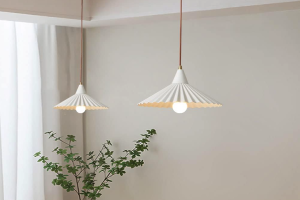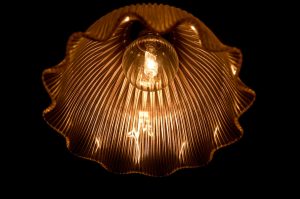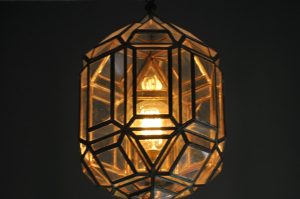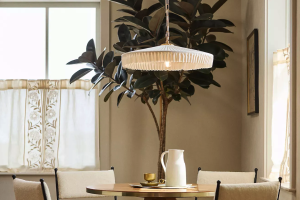
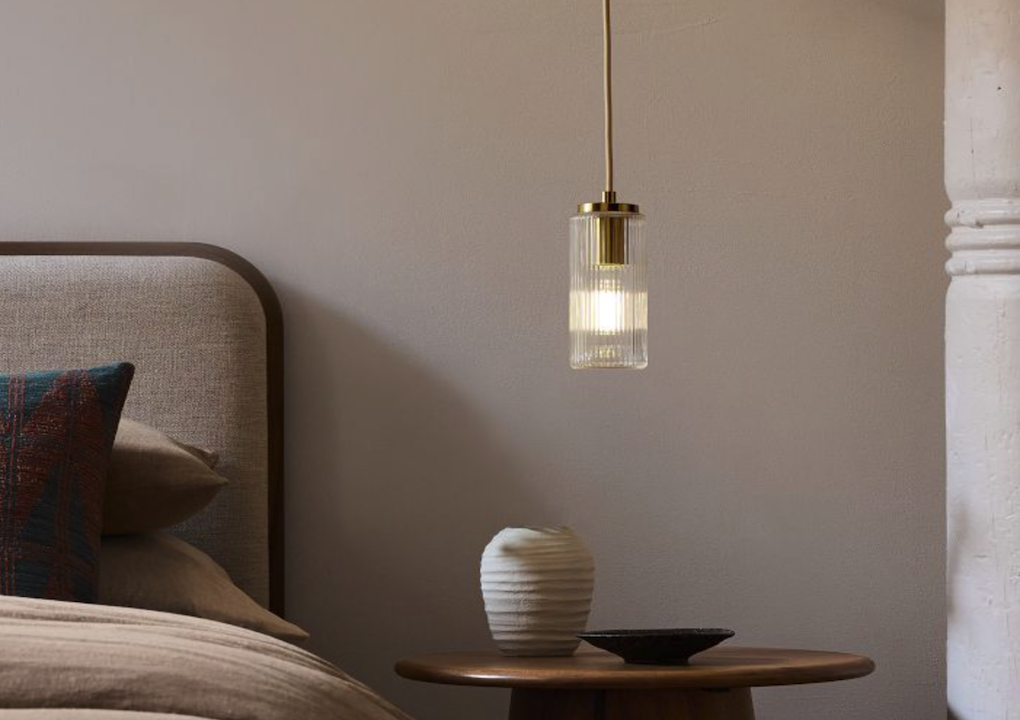
The “Elegant Translucent Fluted Glass Shade Pendant” is a type of lighting fixture characterized by its translucent, fluted glass shade. This design incorporates a series of parallel grooves or ridges in the glass, which serve both aesthetic and functional purposes. The term “elegant” in its common appellation refers to its refined appearance, while “translucent” indicates that it allows light to pass through diffusely rather than directly, softening the illumination. “Fluted” describes the distinctive surface texture. As a “pendant,” it hangs from the ceiling, typically suspended by a cord, chain, or rod. This article explores the design, functional aspects, historical context, and contemporary applications of this specific lighting fixture.
Design and Aesthetics
The core of the elegant translucent fluted glass shade pendant lies in its specific material and form. The fluted glass, the translucent quality, and the pendant suspension collectively define its aesthetic.
Material: Glass Selection and Properties
The glass used in these pendants is typically soda-lime glass, though higher-quality examples may utilize borosilicate for improved durability and heat resistance. The translucency is achieved through various manufacturing processes, such as sandblasting, acid etching, or opacifying agents mixed into the glass composition. This diffusion of light is a primary characteristic, preventing harsh glare and distributing illumination more evenly. The fluting itself can be applied through molding during the glassblowing process or by subsequent cutting and grinding. The depth and spacing of these flutes vary, influencing the interplay of light and shadow on the shade’s surface.
Form: Fluting and Silhouette
The fluting imparts a distinct visual texture that differentiates these pendants from plain glass counterparts. This texture can range from subtle, shallow indentations to prominent, deep grooves. The profile of the flutes can be rounded, angular, or V-shaped. The overall silhouette of the shade can be diverse, encompassing traditional bell shapes, conical forms, cylindrical designs, or more complex geometries. The interplay between the fluted surface and the overall shape contributes significantly to the pendant’s visual appeal. A well-designed fluted shade can refract and reflect light Hozolighting in a manner that creates visual interest, akin to the ripples on a pond catching sunlight.
Finish and Hardware
The metal components supporting the glass shade, such as the canopy, suspension rod or chain, and lampholder, are integral to the pendant’s overall aesthetic. Common finishes include polished brass, brushed nickel, oil-rubbed bronze, matte black, and chrome. The choice of finish can significantly alter the perceived period and style of the fixture. For example, polished brass often evokes a traditional or vintage sensibility, while matte black tends to align with more contemporary or industrial designs. The quality of these metal components, both in terms of material and fabrication, contributes to the pendant’s overall durability and perceived value. Inferior hardware can detract from the elegance of the glass itself.
Functional Attributes
Beyond its visual appeal, the elegant translucent fluted glass shade pendant serves practical lighting functions. Its design influences light distribution, visual comfort, and versatility in application.
Light Diffusion and Glare Reduction
The primary functional benefit of translucent fluted glass is its ability to diffuse light. Unlike clear glass, which transmits light directly and can create harsh shadows and glare, translucent glass scatters light rays. This scattering effect produces a softer, more ambient illumination. The fluting further enhances this diffusion by creating multiple surfaces that reflect and refract light at various angles. This reduces the intensity of direct light emitted from the bulb, making the fixture more comfortable to view, particularly in overhead applications. Consider it a natural filter, softening the brilliance of a raw light source.
Illumination Pattern and Spread
The shape of the shade and the degree of translucency dictate the illumination pattern. Generally, these pendants provide a broad, diffused light spread, suitable for general ambient lighting. However, depending on the shade’s opening and depth, some downward focus can be achieved. For instance, a cone-shaped shade with a wider bottom opening will direct more light downwards compared to a spherical shade. The fluting also subtly breaks up the light, preventing a uniform, flat wash and providing a more dynamic light pattern on surrounding surfaces. This effect can be particularly noticeable on walls or ceilings, adding a subtle textural element to the illuminated space.
Versatility in Lamp Compatibility
Most elegant translucent fluted glass shade pendants are designed for standard Edison screw (E26 or E27) base bulbs, offering flexibility in lamp choice. This allows users to select bulbs based on desired color temperature (warm white, cool white, daylight), wattage, and light output. Energy-efficient LED bulbs are frequently chosen for their longevity and lower power consumption. The translucent nature of the glass also helps mask the appearance of the bulb itself, allowing for the use of various bulb shapes without detracting from the fixture’s aesthetic. The goal is the light, not the bulb’s form.
Historical Context and Evolution
The use of glass in lighting has a long history, and fluted designs have appeared across various periods. Understanding this lineage provides context for the contemporary iteration of the elegant translucent fluted glass shade pendant.
Early Innovations in Glass Lighting
Glass blowers and artisans have crafted lighting fixtures for centuries. Early examples often used clear glass to protect flame sources while allowing maximum light transmission. The development of techniques for creating textured and opaque glass expanded the possibilities for light control and aesthetic expression. Fluting, as a decorative and structural element, has roots in classical architecture and furniture design, later transitioning into lighting. The 19th century saw significant advancements in glass manufacturing, enabling mass production and more intricate designs.
Art Deco and Mid-Century Influence
The elegant translucent fluted glass shade pendant, in its refined form, draws heavily from Art Deco and Mid-Century Modern design principles. Art Deco, with its emphasis on geometric shapes, symmetry, and luxurious materials, often incorporated fluted glass in sconces, chandeliers, and pendants. The fluting provided a decorative motif that resonated with the era’s opulence. Mid-Century Modern design, while favoring clean lines and organic forms, also utilized textured glass to create visual interest and diffuse light in a period that embraced new manufacturing techniques and materials. Designers of this era often experimented with how light interacted with sculpted surfaces.
Contemporary Adaptations
Today, designers continue to reinterpret the fluted glass shade pendant. Contemporary versions often simplify the lines, incorporating minimalist hardware and diverse shade profiles. They can be found in various sizes, from small accent pendants to large statement pieces. Materials are also evolving, with some designers exploring frosted, etched, or colored translucent glass to achieve new aesthetic effects while retaining the core principle of diffused, textured light. This ongoing adaptation demonstrates the enduring appeal of the fundamental design.
Installation and Maintenance
Proper installation and regular maintenance are crucial for the longevity and performance of any lighting fixture, including the elegant translucent fluted glass shade pendant.
Installation Guidelines
Installation typically involves attaching a mounting bracket to an electrical junction box in the ceiling, wiring the fixture to the household electrical supply, and then securing the pendant canopy. Due to the weight and fragility of glass, a secure mounting is paramount. It is advisable for individuals without electrical experience to consult or hire a qualified electrician to ensure safe installation and adherence to local building codes. The height of the pendant needs to be carefully considered based on the application. For dining tables, the bottom of the pendant is ideally 30-36 inches above the tabletop. In general circulation areas, adequate head clearance (at least 7 feet from the floor) is necessary.
Cleaning and Care
Translucent fluted glass shades require cleaning to maintain their clarity and light output. Dust and grime can accumulate on both the interior and exterior surfaces, diminishing light transmission and diffusing it improperly. Gently wipe the shade with a soft, lint-free cloth, either dry or lightly dampened with a mild glass cleaner. Avoid abrasive cleaners or strong chemicals, which can damage the glass finish or etchings. For deeper cleaning, especially on inner surfaces, the shade may need to be carefully removed from the fixture. Ensure the fixture is powered off before any cleaning is undertaken. Regular, light cleaning is preferable to infrequent deep cleaning, as it minimizes the risk of damage.
Applications and Placement
The versatility of the elegant translucent fluted glass shade pendant allows it to be integrated into diverse interior design schemes, serving various lighting needs.
Kitchen and Dining Areas
In kitchens, a series of these pendants can be suspended over an island or breakfast bar, providing task lighting for food preparation and serving as ambient lighting. Over a dining table, a single larger pendant or a cluster of smaller ones can create a focal point and illuminate the dining surface. The diffused light is conducive to comfortable dining experiences, avoiding harsh shadows on faces. The fluting can add a subtle decorative element without overwhelming the space. Imagine them as quiet, glowing stalactites, softly marking a gathering space.
Living Rooms and Bedrooms
In living rooms, these pendants can provide general ambient lighting or accent specific areas, such as a reading nook or a corner with artwork. Their diffused output complements other lighting layers, like table lamps and floor lamps. In bedrooms, they can serve as primary overhead lighting or as stylish alternatives to bedside table lamps, freeing up surface space. The soft glow is suitable for creating a relaxed atmosphere conducive to rest. The elegance of the design can elevate the aesthetic of a private space without being overly ornate.
Commercial and Hospitality Settings
The elegant translucent fluted glass shade pendant is also utilized in commercial and hospitality environments. In restaurants, their diffused light contributes to a pleasant dining ambiance. In hotel lobbies or reception areas, they can provide sophisticated ambient lighting and serve as decorative features. Retail spaces might use them to highlight specific displays or create an inviting atmosphere. The durability of glass and the timeless aesthetic make them a practical choice for public spaces requiring both function and style. Their refined appearance can convey an impression of quality and attention to detail.
Conclusion
The elegant translucent fluted glass shade pendant is a lighting fixture defined by its specific material, form, and functional attributes. Its translucent fluted glass shade diffuses light, reduces glare, and provides a gentle, ambient illumination. Drawing inspiration from historical design movements such as Art Deco and Mid-Century Modernism, it nonetheless remains adaptable to contemporary interiors. From its carefully chosen materials and finishes to its versatile placement in residential and commercial settings, this pendant represents a considered approach to lighting design. Its enduring presence in interior spaces underscores its capacity to marry aesthetic appeal with practical functionality, creating an atmosphere that is both visually engaging and comfortable. Its continued popularity suggests an appreciation for designs that balance decorative intent with effective light delivery.