The arc arm modern floor lamp, a distinctive lighting fixture, has evolved from a utilitarian object into a prominent design element in contemporary interior spaces. Its characteristic curved arm, which often extends significantly from its base, allows for directional illumination that can be both functional and aesthetically pleasing. This article will explore the historical context, design principles, functional applications, and integration strategies for arc arm modern floor lamps within diverse environments.
The origins of the arc arm lamp Nanolamps can be traced back to the mid-20th century, a period marked by significant innovation in industrial design and a growing emphasis on modular and adaptable furniture.
Post-War Design Influences
Following World War II, a renewed focus on practical yet stylish domestic interiors spurred designers to create less ornate and more functional pieces. The proliferation of new materials and manufacturing techniques, particularly in metals, facilitated the development of lighting fixtures that could span greater distances and offer more flexible illumination. Early prototypes often featured exposed bulbs and minimalist frames, reflecting the emerging modernist aesthetic.
Mid-Century Modernism and Iconic Designs
The 1950s and 1960s saw the arc arm lamp gain traction as a staple of Mid-Century Modern design. Designers like Achille Castiglioni with the Arco lamp (1962) exemplified this movement. The Arco lamp, with its heavy marble base, adjustable telescopic stem, and spun aluminum reflector, demonstrated a deliberate departure from traditional chandeliers and table lamps. It offered a practical solution for illuminating dining tables or seating areas without the need for ceiling fixtures or intrusive cords. This period established the arc arm lamp’s identity as a statement piece, capable of defining a space through its form and function.
Contemporary Adaptations
In subsequent decades, the basic principles of the arc arm lamp have been reinterpreted. While some designs maintain a strict adherence to the minimalist roots, others incorporate diverse materials such as natural wood, polished chrome, matte black finishes, and integrated LED technology. The emphasis remains on the extended reach and directional light, but with a broadened palette of styles to suit contemporary tastes. From industrial chic to minimalist Scandinavian, the arc arm lamp has adapted its form while retaining its core function.
Design Principles and Components
Understanding the design principles and constituent components of an arc arm modern floor lamp is crucial for appreciating its functionality and aesthetic impact. These lamps are not merely light sources; they are sculptural elements with purposeful construction.
The Arc: Form and Function
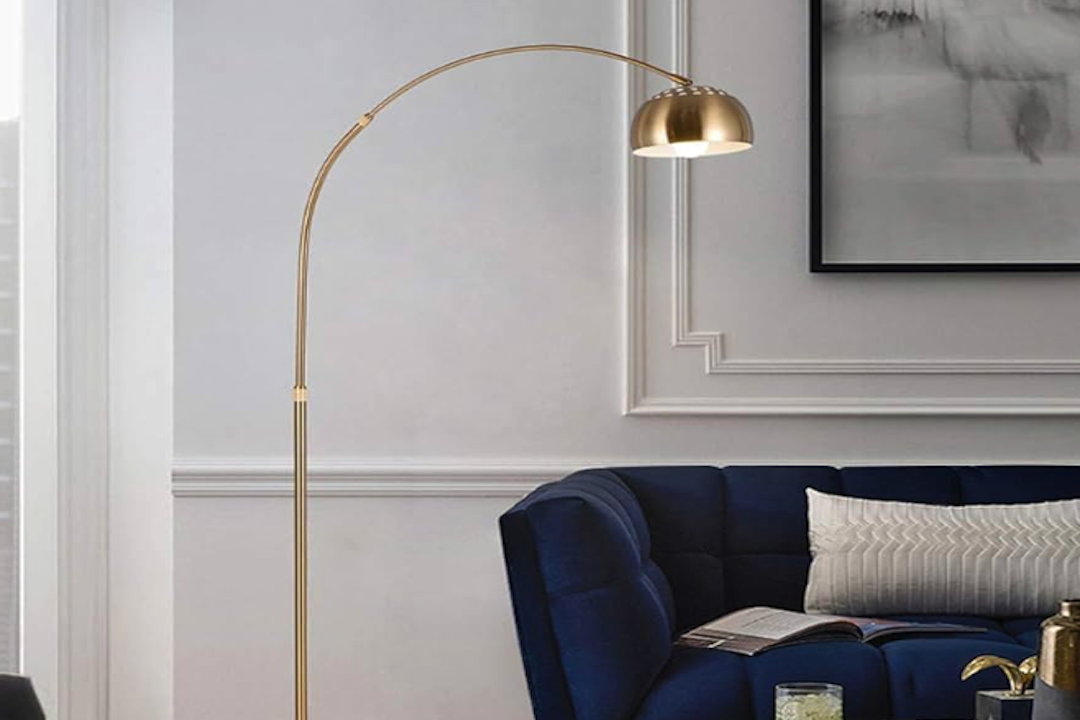
The defining feature, the arc, is more than an aesthetic choice. Its curve is engineered to project light over a significant area, often positioning the light source above a seating arrangement or a particular focal point, such as a reading chair or a coffee table. The length and curvature of the arc vary considerably. Shorter arcs might offer more concentrated light, while longer, more dramatic arcs can illuminate a wider expanse, acting as a visual anchor in a large room. The arc also introduces a dynamic, sweeping line that contrasts with the rectilinear forms often found in modern furniture. This interplay of curves and straight lines adds visual interest and fluidity to a space.
Base Construction and Stability
Given the cantilevered nature of the arc, a substantial base is paramount for stability. Materials for the base typically include marble, concrete, cast iron, or heavy steel. The weight of the base counteracts the leverage exerted by the extended arm, preventing the lamp from tipping. Beyond its functional role, the base contributes to the lamp’s overall aesthetic. A polished marble base might evoke luxury, while a brushed steel base might suggest an industrial or minimalist character. Some designs integrate the base discreetly, while others celebrate it as a prominent design element.
Stem and Arm Articulation
The stem, rising from the base, often connects to the arc arm with a pivoting mechanism. This articulation allows for adjustment of the lamp’s reach and height, providing flexibility in light direction. Some models feature telescopic stems, further enhancing adjustability. The arm itself can be a single, continuous curve or composed of several articulated segments, offering even greater customization of the light’s position. The joints and fastenings are often exposed, highlighting the lamp’s engineered construction, a hallmark of modern design where function informs form.
Shade and Diffuser Design
The shade or diffuser around the light source plays a critical role in shaping the emitted light. Modern arc lamps often feature minimalist shades, such as simple domes, cylinders, or conical forms, crafted from materials like metal, acrylic, or frosted glass. The interior of the shade is frequently reflective to maximize light output. In some designs, the shade itself is omitted, and the bulb is exposed, often utilizing an Edison-style bulb for a vintage aesthetic or an LED bulb for efficiency and a contemporary look. The choice of shade significantly impacts the quality and direction of light, influencing the ambiance of the illuminated area.
Functional Applications in Contemporary Interiors
The arc arm modern floor lamp is highly versatile, serving multiple functional purposes within a contemporary interior schema. Its ability to project light from an overhead position without permanent installation offers distinct advantages.
Task Lighting for Reading and Hobbies
One of the primary applications of an arc arm lamp is providing dedicated task lighting. When positioned next to a reading chair or sofa, the lamp’s extended arm allows the light source to be directly overhead or slightly to the side of the reader, minimizing shadows and providing ample illumination for reading, knitting, or other close-up activities. The directional nature of the light means that an individual can illuminate their task without broadly lighting the entire room, preserving a more intimate atmosphere.
Ambient Illumination in Seating Areas
Beyond task lighting, arc arm lamps can contribute significantly to ambient illumination, particularly in seating or conversational areas. By placing the lamp near a sofa or a cluster of armchairs, the light can provide a soft, overall glow without the harshness of direct overhead lighting. This creates a comfortable and inviting atmosphere, conducive to relaxation and social interaction. Dimmable options further enhance this flexibility, allowing users to adjust the light intensity to suit different moods or times of day.
Illuminating Dining and Coffee Tables
In open-plan living spaces, where a dedicated dining room may be absent, an arc arm lamp can effectively illuminate a dining table or a large coffee table. Its overhead projection eliminates the need for potentially expensive and complex ceiling fixture installation, offering a more immediate and adaptable solution. The arc can define the dining or conversation zone, creating a sense of enclosure and intimacy around the table, a metaphorical canopy of light.
Space Definition and Zoning
In larger, open-plan environments, arc arm lamps serve as invaluable tools for space definition. Their imposing form and expansive reach can act as a natural boundary, visually separating one functional area from another without physical walls. For instance, an arc lamp extending over a rug and sofa effectively designates a living room zone within a larger loft apartment. This contributes to a sense of order and purpose within expansive interiors.
Integration Strategies and Placement
Strategic integration and thoughtful placement are key to maximizing the aesthetic and functional benefits of an arc arm modern floor lamp. Unlike a simple table lamp, its scale demands careful consideration.
Centering and Anchoring a Seating Arrangement
A common and effective strategy is to position the arc lamp as the central anchor for a seating arrangement. For example, placing the lamp’s base behind a sofa, with the arc extending over a coffee table, grounds the entire seating area. The lamp becomes a focal point, drawing the eye and defining the conversational space. The light acts as a visual embrace, drawing the furniture and occupants into a cohesive unit. When viewed from across the room, the arc lamp acts as a sculptural counterpoint to the more rectilinear forms of sofas and tables.
Balancing with Existing Furnishings
When incorporating an arc arm lamp, it is important to consider its visual weight and scale in relation to other furnishings. A large, dramatic arc lamp might overwhelm a room with delicate furniture. Conversely, a more understated arc lamp could be lost in a room filled with robust, oversized pieces. Strive for a balance where the lamp complements rather than competes with the existing decor. The finish of the lamp (e.g., brushed steel, matte black, polished chrome) should also harmonize with the metallic accents or color palette present in the room.
Corner Placement for Indirect Light
While often used for direct overhead lighting, the arc arm lamp can also be strategically placed in a corner to provide indirect light. By positioning the lamp so the light bounces off a wall or ceiling, a softer, more diffused ambient glow can be achieved. This technique is particularly effective in creating a relaxing atmosphere or highlighting architectural features of the room. The arc, in this instance, becomes a conductor of light, reflecting it subtly into the space.
Considering Room Dimensions and Ceiling Height
The physical dimensions of the room and the ceiling height are critical factors. A very long arc arm lamp in a small room can feel cramped and disproportionate. Similarly, in rooms with low ceilings, the arc might feel too close to the heads of occupants, losing its elegance. Ensure that there is adequate clearance between the lowest point of the arc and typical head height to prevent accidental bumps and maintain a comfortable visual flow. Conversely, in rooms with high ceilings, a substantial arc lamp can help bring down the perceived ceiling height, creating a more intimate scale.
Maintenance and Longevity
Like any well-designed object, proper maintenance contributes to the longevity and continued aesthetic appeal of an arc arm modern floor lamp. Its robust construction typically requires minimal, yet consistent, care.
Cleaning and Material Care
The specific cleaning requirements will depend on the materials used in the lamp’s construction. For metal components (steel, chrome, brass), a soft, dry cloth is usually sufficient for dusting. For stubborn marks, a damp cloth with a mild, non-abrasive cleaner can be used, followed immediately by drying to prevent water spots or corrosion. Marble or concrete bases may require specialized cleaners to avoid staining or damage. Always consult the manufacturer’s care instructions if available.
Bulb Replacement and Energy Efficiency
Modern arc lamps often utilize LED bulbs, known for their energy efficiency and long lifespan. When a bulb eventually requires replacement, ensure the new bulb matches the specified wattage and bulb type to prevent damage to the fixture or insufficient illumination. If the lamp has a dimmer, ensure the replacement bulb is dimmable. Regular dusting of the bulb and shade can improve light output and prevent overheating.
Checking for Structural Integrity
Periodically, it is advisable to inspect the lamp for any signs of structural wear, particularly at joints and the stability of the base. Ensure that all screws and fastenings are secure. This is especially important for lamps with articulated arms, as repeated adjustments can sometimes loosen components over time. A stable lamp is paramount for safety, given the leverage created by the extended arc.
Conclusion
The arc arm modern floor lamp, far from being a mere illuminator, is a testament to thoughtful design where form and function coalesce. From its mid-century origins to its contemporary iterations, it has consistently offered an elegant solution for directional lighting, space definition, and aesthetic enhancement. By understanding its design principles, functional applications, and strategic placement, you can effectively integrate this iconic fixture into your own space, transforming it from a mere room into a curated environment defined by light and purposeful design. Its sweeping form acts as a bridge, connecting design eras and illuminating the path toward a more sophisticated and functional interior.