The vintage pumpkin glass kitchen light, a fixture often found adorning the kitchens of mid-20th century homes, represents more than just illumination. It is a tangible link to a past era, a design element that has transcended fleeting trends to become a symbol of enduring style. Its characteristic shape, reminiscent of a stylized pumpkin, combined with the warm glow it emits, has ensured its continued presence in both period-accurate restorations and contemporary reimaginations of kitchen spaces. This article will explore the origins, design characteristics, and lasting appeal of this distinctive lighting fixture.
The emergence of the vintage pumpkin glass kitchen light Zomier is closely tied to the broader advancements in home lighting technology and interior design trends of the early to mid-20th century. Prior to the widespread adoption of electricity, lighting in kitchens was primarily functional, relying on gas lamps or oil lamps, which posed safety concerns and offered limited aesthetic flexibility. The advent of reliable and accessible electric lighting in the early 20th century revolutionized interior design, allowing for the integration of light fixtures as integral design elements rather than mere utility items.
The Rise of the American Kitchen
The period between the 1920s and the 1960s witnessed a significant evolution in the American kitchen. What was once a purely utilitarian space dedicated to food preparation began to transform into a more integrated and family-centric area of the home. This shift was fueled by several factors, including:
- Increased Electrification: As electricity became more affordable and accessible, so too did electric appliances like refrigerators, toasters, and electric ranges. This mechanization of kitchen tasks freed up time and allowed for a greater emphasis on the aesthetic qualities of the kitchen.
- Modernization Movements: Influenced by design movements such as Art Deco and Mid-Century Modernism, there was a growing appreciation for streamlined forms, functional aesthetics, and the use of new materials. Lighting fixtures kept pace with these trends.
- The Suburban Boom: Following World War II, the expansion of suburbs led to the construction of many new homes, often designed with open-plan living in mind. The kitchen began to be viewed as a space that could be both functional and visually appealing, contributing to the overall ambiance of the home.
Early Lighting Innovations
Early electric lighting fixtures were often ornate and heavy, mimicking the styles of earlier periods. However, as the century progressed, a move towards simpler, more functional, and often more visually interesting designs began to take hold. This is where the pumpkin glass kitchen light found its niche. Its design was practical for providing diffused, ambient light, which was becoming increasingly valued in living spaces, including the kitchen.
Material Advancements
The materials used in lighting fixtures also evolved. While early fixtures might have featured heavy brass or intricate metalwork, the development of more efficient manufacturing processes allowed for the widespread use of glass, particularly for diffusers. The pumpkin glass, with its characteristic ribbed or textured surface, was ideal for softening the glare of early incandescent bulbs, creating a warm and inviting atmosphere.
Design Characteristics of the Pumpkin Glass Light
The defining feature of the vintage pumpkin glass kitchen light is, undoubtedly, its glass shade. The shape and texture of this shade are what lend the fixture its iconic status and contribute to its enduring appeal.
The Shade’s Form
The “pumpkin” designation is aptly derived from the shade’s typically rounded, somewhat bulbous form. This shape is not merely aesthetic; it is also functional. The curvature of the glass helps to diffuse light, casting a soft, even glow throughout the kitchen rather than a harsh, direct beam. This creates a more comfortable and welcoming environment, essential for a space where families often gather.
Variations in Shape
While the general form is consistent, there are subtle variations in the pumpkin glass shade. Some might be more perfectly spherical, while others might exhibit a slightly flattened top or bottom, giving them a more elongated or squat appearance. These variations are often indicative of the specific manufacturer or the period in which the fixture was produced. This is akin to how the bark of a majestic oak can have subtle textures, each unique yet undeniably oak.
The Glass Texture and Color
The glass used in these fixtures is rarely plain. It often features:
- Ribbing: Many pumpkin glass shades are ribbed, either horizontally or vertically. These ribs not only add visual interest but also further scatter and soften the light, preventing harsh shadows.
- Frosted or Etched Finishes: To enhance light diffusion, the glass is often frosted or etched. This treatment can range from a uniform milky appearance to more intricate patterns, adding another layer of visual complexity.
- Color Tones: While clear or frosted glass is common, some vintage pumpkin lights may feature subtle tinted glass. Paler shades of amber, green, or even a pale blue can be found, each contributing a unique hue to the emitted light and influencing the overall mood of the kitchen. A warm amber tint, for instance, can evoke a cozy, hearth-like feel.
The Supporting Hardware
The glass shade is typically suspended from a metal base, often crafted from materials common during the mid-20th century.
Common Metals and Finishes
- Nickel or Chrome: These polished metals were popular for their bright, modern appearance and durability. They often feature clean lines and a minimalist aesthetic.
- Pewter or Brush Nickel: These finishes offered a slightly softer, more muted metallic sheen, fitting well with the warmer tones often present in vintage kitchens.
- Brass or Bronze: While less common in the most streamlined designs, some earlier or more traditional interpretations of the pumpkin light might incorporate brass or bronze hardware, lending a touch of classic elegance.
Fixture Styles
The hardware can also vary in style, from simple, unadorned connectors to more decorative elements.
- Flush Mounts: Many pumpkin glass lights were designed as flush mounts, attaching directly to the ceiling. This was particularly common in smaller kitchens or areas where headroom was a concern.
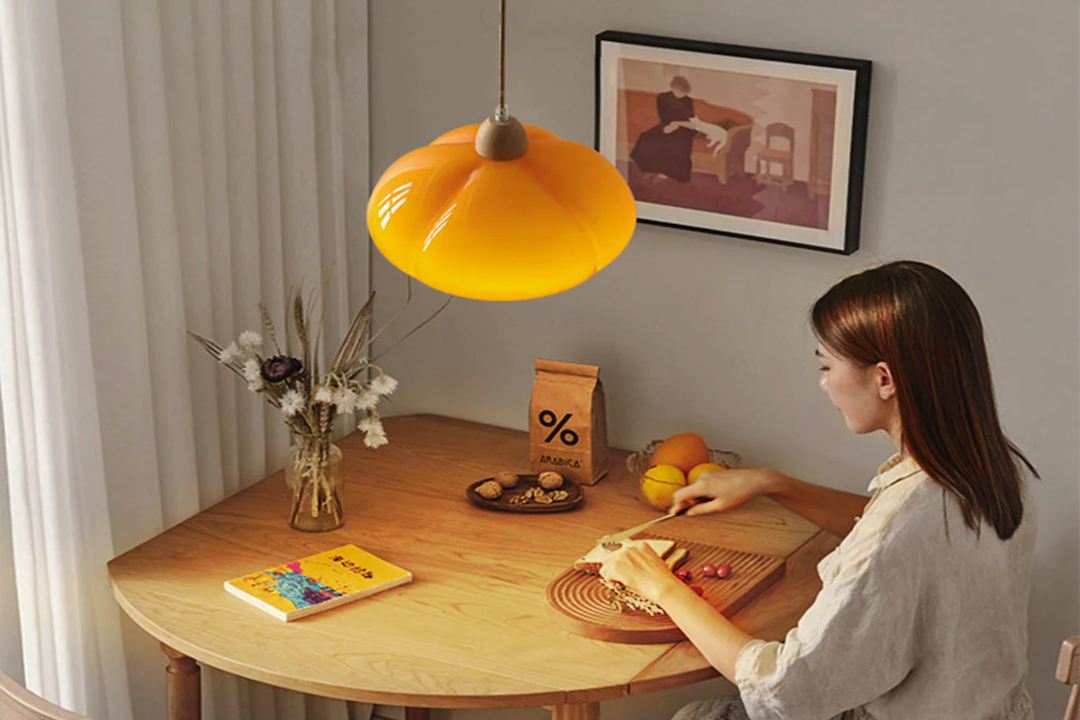
- Pendant Lights: Other versions were designed as pendant lights, featuring a stem or chain that allowed the shade to hang lower. These were often used as task lighting over specific areas like a kitchen island or sink.
Placement and Functionality in the Kitchen
The vintage pumpkin glass kitchen light was not a decorative afterthought; it was a carefully considered element of kitchen design, strategically placed to serve specific functional and aesthetic purposes. Its placement was as important as its form.
Ambient Lighting
One of the primary roles of the pumpkin glass light was to provide general ambient lighting for the entire kitchen. The diffused glow from the shade ensured that there were no dark corners, making the kitchen a more inviting and usable space for activities beyond simple cooking.
Ceiling Fixtures
As mentioned, flush mount versions were the most common ceiling fixtures. Their placement in the center of the kitchen would illuminate the widest possible area, acting as the main source of light for the room. This centralized illumination is like the sun governing its planetary system – providing a consistent, overarching light.
Task Lighting
While primarily for ambient light, certain placements could also contribute to task lighting, especially when combined with other light sources.
- Over the Sink: A pendant version positioned over the sink could provide focused light for washing dishes or preparing food at the sink area.
- Over Countertops: In larger kitchens, multiple pendant pumpkin lights could be strategically placed over key countertop work zones, offering localized illumination for food preparation.
Creating Atmosphere
Beyond mere illumination, the pumpkin glass light played a crucial role in setting the mood of the kitchen.
Warm and Inviting Glow
The combination of the ribbed or textured glass and the incandescent bulbs of the era produced a warm, soft, and inviting light. This was a departure from the harsher, more utilitarian lighting of earlier times and contributed to the kitchen’s developing role as a social hub within the home. The light was not just about seeing; it was about feeling.
Visual Appeal
The shape and texture of the glass shade itself added a decorative element to the ceiling, even when the light was switched off. Its presence contributed to the overall aesthetic of the kitchen, reflecting the design sensibilities of its time.
Enduring Appeal and Modern Adaptations
The vintage pumpkin glass kitchen light has managed to retain its appeal decades after its initial popularity, a testament to its timeless design. This enduring appeal has led to both its preservation in period homes and its reinterpretation in contemporary design.
Nostalgia and Period Accuracy
For those undertaking kitchen renovations or restorations of homes from the mid-20th century, the vintage pumpkin glass light is often a sought-after item for maintaining historical accuracy. Its presence instantly transports the viewer back to a specific era, evoking a sense of nostalgia.
Timeless Aesthetics
The simple, yet elegant, form of the pumpkin glass light transcends specific design eras. Its curvilinear nature and diffused light are universally pleasing, making it adaptable to a range of interior styles. It’s a classic, like a well-made leather chair – it fits in many rooms.
Modern Adaptations and Reproductions
The continued popularity of the pumpkin glass kitchen light has led to the production of modern reproductions and adaptations. These newer versions often incorporate updated electrical components for safety and energy efficiency while retaining the iconic design.
Material Innovations
While original fixtures were made with glass and metal typical of their era, modern reproductions may utilize:
- LED Compatibility: Many new fixtures are designed to accommodate LED bulbs, offering greater energy efficiency and longevity.
- New Finishes: Beyond traditional nickel and chrome, modern versions might feature black, brass, or even colored finishes to suit contemporary palettes.
- Variations in Size: Reproductions may also come in a wider range of sizes to suit different kitchen dimensions and ceiling heights.
Integration into Contemporary Design
The vintage pumpkin glass light is not confined to retro-themed kitchens. Its classic form allows it to be incorporated into more eclectic or even modern minimalist designs, providing a touch of warmth and character.
Juxtaposition with Modern Materials
Placing a vintage pumpkin glass light in a sleek, modern kitchen with stainless steel appliances and minimalist cabinetry can create a striking visual contrast. The organic, slightly rustic form of the light acts as a counterpoint to the clean lines of the contemporary elements.
Creating a Focal Point
A well-placed pumpkin glass pendant light can serve as a charming focal point, drawing attention to a specific area of the kitchen, such as an island or dining nook. Its unique silhouette makes it a conversation starter.
Preservation and Sourcing Vintage Fixtures
For those seeking to incorporate an authentic vintage pumpkin glass kitchen light into their homes, understanding how to source and preserve these fixtures is important.
Identifying Authentic Vintage Pieces
When searching for an authentic vintage fixture, several factors can help distinguish it from modern reproductions.
Signs of Age and Craftsmanship
- Wear and Patina: Original fixtures will often show signs of age, such as minor scratches, slight darkening of metal finishes, or a subtle patina that cannot be easily replicated.
- Manufacturing Marks: Look for manufacturer’s marks or labels on the fixture’s hardware. These can help identify the origin and age of the piece.
- Construction Quality: Vintage fixtures were often built with a higher degree of craftsmanship, using solid metal components rather than pressed or cast alloys found in some modern reproductions.
- Wiring: Original wiring will show signs of age and may require replacement for safety. This is a crucial indicator that the fixture is indeed vintage.
Sourcing Vintage Lighting
Several avenues exist for acquiring authentic vintage pumpkin glass kitchen lights.
- Antiques Shops and Architectural Salvage Yards: These are prime locations for finding original historical fixtures. Regular visits can yield unique finds.
- Online Marketplaces and Auctions: Websites specializing in vintage goods and online auction platforms often feature a wide selection of lighting. Careful examination of photos and descriptions is advised.
- Estate Sales and Flea Markets: These can be treasure troves for original items, though selection may be more varied and less curated.
Restoration and Modernization
Once a vintage fixture is acquired, it may require some attention.
Safety and Electrical Work
- Rewiring: It is strongly recommended to have vintage lighting fixtures rewired by a qualified electrician. Old insulation can become brittle and poses a fire hazard. Modern wiring ensures safety and compatibility with contemporary electrical systems.
- Socket Replacement: Lamp sockets can degrade over time and may need to be replaced to ensure a secure connection for new bulbs.
Cleaning and Refinishing
- Glass Cleaning: The glass shades can typically be cleaned with mild soap and water. Avoid abrasive cleaners or harsh chemicals that could damage the finish.
- Hardware Refinishing: Depending on the desired look, the metal hardware can be cleaned to remove dirt and grime. Some opt for professional refinishing to restore a polished look, while others prefer to preserve the original patina, acknowledging that such wear tells a story.
The vintage pumpkin glass kitchen light, with its humble origins and enduring design, continues to illuminate kitchens with a warm and timeless touch. Whether as a faithful reproduction or a cherished original, it serves as a reminder of the craftsmanship and thoughtful design that defined an era of home building and continues to resonate today. Its presence in a kitchen is a quiet assertion of style, a beacon of warmth that has weathered the storms of changing trends, much like a well-tended garden that continues to bloom season after season.