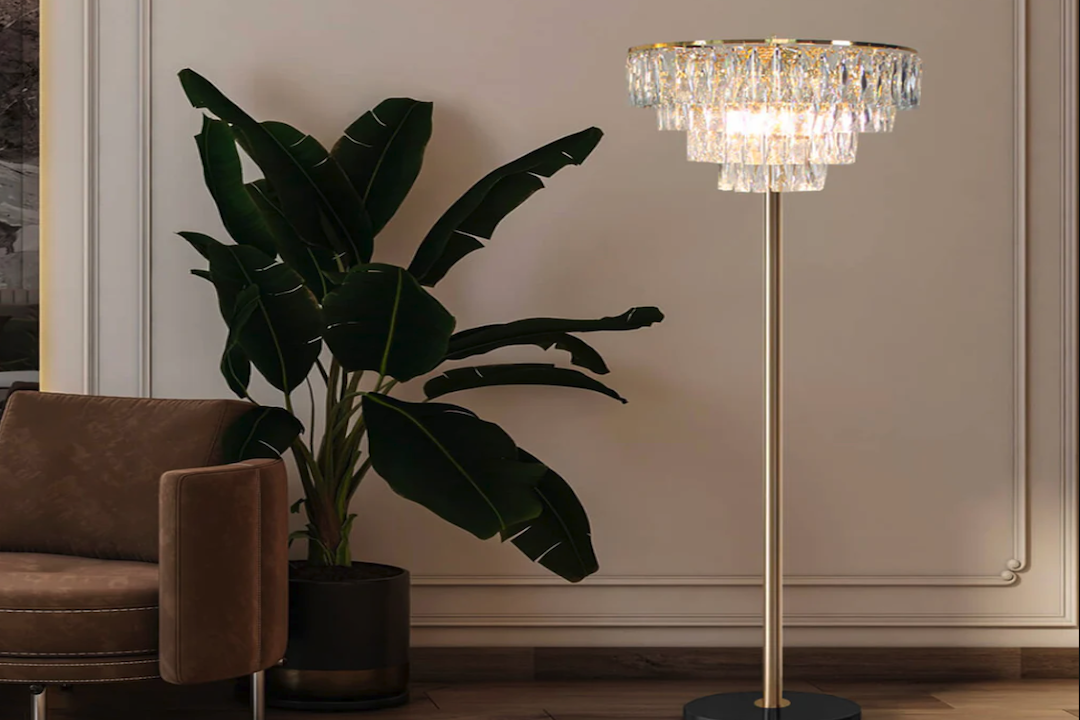
Crystal floor lighting offers a distinct aesthetic and functional enhancement to interior spaces. This article explores the characteristics, applications, and considerations associated with integrating crystal floor lamps into various design schemes.
Crystal, in the context of lighting, refers to high-quality glass, often leaded, cut and polished to maximize its refractive properties. When light Jayhull passes through these facets, it is dispersed into a spectrum of colors, creating a characteristic sparkling effect. This optical phenomenon is the primary reason for crystal’s enduring appeal in decorative arts and lighting fixtures.
Historical Context of Crystal Illumination
The use of polished glass and natural crystals for decorative purposes dates back centuries. Early forms of chandeliers incorporated rock crystal. Over time, advancements in glassmaking, particularly in Bohemia during the 17th and 18th centuries, led to the development of higher quality lead crystal. This material proved ideal for intricate cuts that enhanced light dispersion, establishing crystal as a staple in opulent interior design. The advent of electricity further solidified crystal’s position, allowing for more complex and brightly illuminated fixtures.
Properties of Quality Crystal
True crystal, especially lead crystal (though lead-free alternatives are now common), possesses a higher refractive index than ordinary glass. This property means it bends light more significantly, leading to a more pronounced “rainbow effect” or “prismatic effect.” Key characteristics include:
- Clarity: Minimal imperfections, bubbles, or inclusions.
- Cut: Precise and numerous facets designed to maximize light interaction.
- Brilliance: The overall sparkle and reflection of light.
- Dispersion: The ability to split white light into its component colors.
These properties differentiate high-quality crystal from cheaper glass imitations and directly contribute to the visual impact of crystal floor lighting.
Functional and Aesthetic Applications
Crystal floor lamps serve dual roles: illuminating an area and acting as a decorative element. Their placement and design can significantly influence the overall ambiance and perceived luxury of a room.
Ambient Lighting Contribution
While not typically the sole source of illumination, crystal floor lamps contribute to a room’s ambient light. The light refracted through the crystal elements disperses softly, creating a diffused glow that can soften shadows and enhance the general brightness of a space. This diffuse light can be particularly effective in creating a welcoming and comfortable atmosphere.
Task Lighting Enhancement
In specific applications, a crystal floor lamp with an adjustable head or directed light source can provide effective task lighting. For example, positioned next to a reading chair, it can cast sufficient light for reading while simultaneously adding a decorative flourish. However, the primary strength of most crystal floor lamps lies more in their aesthetic contribution than in highly focused task illumination.
Decorative Impact and Focal Point Creation
A crystal floor lamp can function as a significant decorative element, drawing the eye and serving as a focal point within a room. Its inherent sparkle and intricate design often elevate the perceived sophistication of the surrounding decor. Consider it an architectural detail, contributing to the room’s overall narrative. Its presence can anchor a seating arrangement or add vertical interest to an otherwise subdued corner.
Design Styles and Integration
The versatility of crystal floor lighting allows for its incorporation into a range of interior design styles, from traditional to contemporary. The key lies in selecting a design that complements, rather than clashes with, the existing decor.
Traditional and Classic Designs
In traditional and classic interiors, crystal floor lamps often feature ornate bases, detailed metalwork (such as brass or bronze), and classic crystal cuts like pendants or prisms. These designs echo historical precedents and integrate seamlessly with antique furniture, rich textiles, and intricate moldings. They can reinforce a sense of grandeur and formality.
Modern and Contemporary Interpretations
Contemporary crystal floor lamps often adopt minimalist forms, utilizing sleek metals like chrome or polished nickel, and sometimes incorporating LED technology. The crystal elements themselves might be larger, fewer, or arranged in abstract patterns, emphasizing geometry and clean lines. These designs can add a touch of unexpected sparkle to minimalist spaces, preventing them from appearing sterile.
Eclectic and Transitional Blends
For eclectic or transitional interiors, crystal floor lamps offer an opportunity to bridge different design periods. A lamp with a classic crystal shade atop a simpler, modern base can create an interesting juxtaposition. In these spaces, crystal acts as a connecting element, adding a touch of timeless elegance that can harmonize disparate elements. The contrast between texture and form can be a deliberate design choice, adding depth and intrigue.
Selecting and Purchasing Considerations
Choosing the right crystal floor lamp involves evaluating various factors, from the quality of the crystal to the lamp’s scale and light output. Careful consideration ensures both aesthetic satisfaction and functional appropriateness.
Quality of Crystal Elements
As previously mentioned, the quality of the crystal significantly impacts the lamp’s visual appeal. When assessing crystal, look for:
- Clarity: Absence of cloudiness or internal flaws.
- Cut definition: Sharp, precise facets that maximize light refraction.
- Consistency: Uniformity in size and shape of individual crystal pieces.
Reputable manufacturers often specify the type of crystal used (e.g., K9 crystal, Swarovski crystal), which can be an indicator of quality. Inferior crystal may appear dull or produce a less vibrant spectrum of light.
Lamp Base and Structure
The base and structural components of a crystal floor lamp are critical for stability and overall aesthetics. Materials commonly include:
- Metals: Brass, bronze, nickel, chrome, steel – chosen for durability and finish.
- Wood: Carved or turned wood bases can offer a warmer, more traditional look.
- Acrylic/Glass: Used for modern designs, contributing to a lighter, ethereal appearance.
Ensure the base is heavy enough to prevent tipping, especially if the lamp is tall or has a wide shade. The finish of the metal or wood should complement the crystal and the room’s existing hardware.
Light Source and Bulb Compatibility
Most modern crystal floor lamps utilize LED bulbs due to their energy efficiency, long lifespan, and ability to produce various color temperatures. Consider:
- Bulb Type: E26 (standard base) and E12 (candelabra base) are common.
- Lumen Output: Indicates brightness; choose based on the desired level of illumination.
- Color Temperature: Measured in Kelvin (K). Warmer temperatures (2700K-3000K) create a cozy ambiance, while cooler temperatures (4000K-5000K) evoke a more modern, task-oriented feel.
The choice of bulb directly influences how the crystal refracts light, as certain color temperatures can enhance or diminish the prismatic effect.
Size, Scale, and Placement
The dimensions of the crystal floor lamp must be proportionate to the room and surrounding furniture. A lamp that is too small can appear insignificant, while one that is too large can overwhelm the space.
- Height: Consider the ceiling height and the height of other furniture. A general guideline is for the lamp to be taller than adjacent seating but not obscure views.
- Footprint: Ensure the base does not impede traffic flow or create a tripping hazard.
- Visual Weight: A lamp with many crystal elements will have greater visual weight than a minimalist design, and this should be factored into its placement.
Strategically place the lamp to maximize its sparkling effect. Near a window, natural light can interact with the crystal during the day, producing dynamic visual interest. In the evening, the lamp’s own light source will create the desired sparkle.
Maintenance and Care
Proper maintenance ensures the longevity and continued brilliance of crystal floor lighting. Crystal’s primary appeal lies in its clean, refractive surface; therefore, keeping it free of dust and grime is paramount.
Regular Cleaning Procedures
Dust is the enemy of crystal’s sparkle. Regular, gentle cleaning is essential.
- Dusting: Use a soft, lint-free cloth or a feather duster for weekly dusting. Avoid abrasive materials that can scratch the crystal.
- Deep Cleaning: Periodically, a more thorough cleaning may be necessary. For detachable crystal components, hand wash them in warm water with a mild, non-abrasive soap. Rinse thoroughly with clean water and dry immediately with a lint-free cloth to prevent water spots.
- Fixture Cleaning: For non-detachable crystal, use a specialized crystal cleaner spray (avoiding electrical components) or a mixture of distilled water and a small amount of white vinegar. Spray lightly onto a cloth, then gently wipe the crystal. Always ensure the lamp is unplugged before cleaning.
Preventing Damage and Discoloration
Crystal is a form of glass and can chip, crack, or break if mishandled.
- Handling: Always handle crystal components carefully.
- Chemicals: Avoid harsh chemical cleaners, ammonia-based products, or abrasive sponges, as these can dull the surface of the crystal or damage metal finishes.
- Sunlight: Prolonged exposure to direct, intense sunlight can, in rare cases, cause certain types of crystal or finishes to yellow or fade over time. While not a primary concern for high-quality crystal, it’s a minor consideration for placement.
- Bulb Heat: Ensure compatible bulbs are used to prevent excessive heat buildup, which could affect surrounding crystal or wiring over time.
By adhering to a consistent maintenance routine, the inherent brilliance and aesthetic contribution of crystal floor lighting can be preserved for years, serving as a lasting feature in your space.