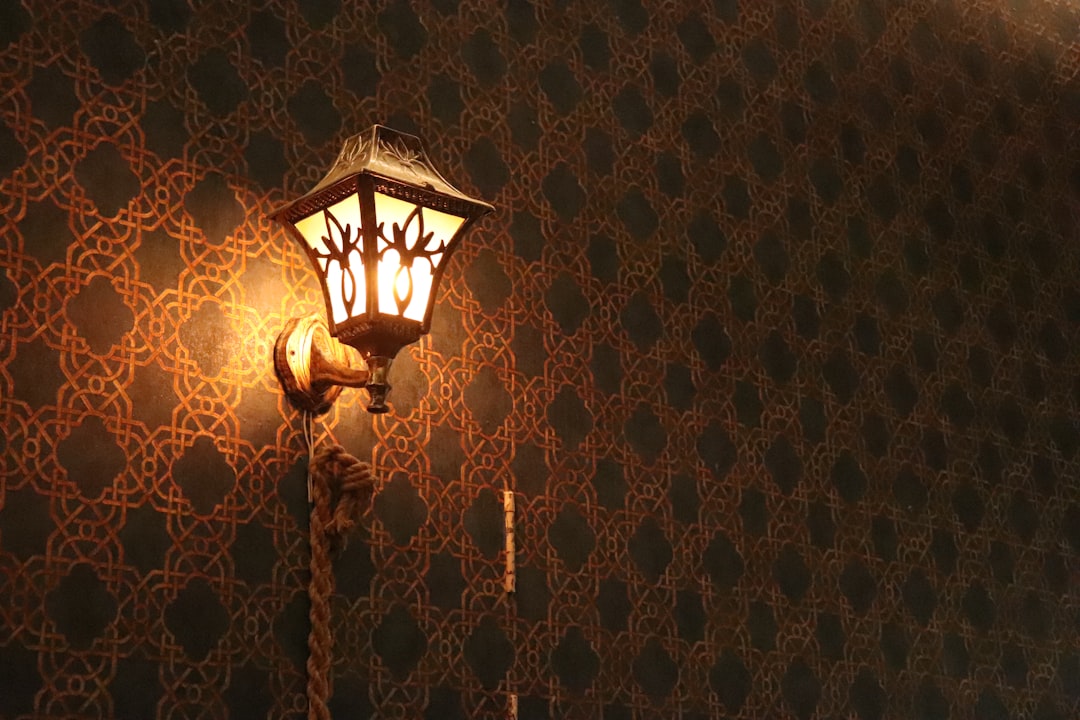
The vintage lantern style wall light offers a familiar aesthetic with practical application. Its design draws from historical lighting solutions, adapting them for contemporary spaces. This light fixture serves as more than just a source of illumination; it contributes to the overall mood and architecture of a room.
The fundamental appeal of the vintage lantern style wall light lies in its commitment to established design principles. These fixtures are not about fleeting trends but about forms that have proven their worth over time. The emphasis is on functionality married with visual interest.
Form Follows Function
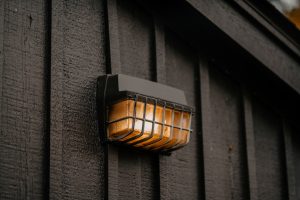
At its core, the vintage lantern style wall light prioritizes its primary purpose: to project light. The enclosure, whether glass or metal, is designed to distribute light effectively, preventing harsh glare while providing adequate illumination. The materials used, often metal and glass, are chosen for their durability and their ability to withstand various environmental conditions, especially if the fixture is intended for outdoor use.
Materiality and Craftsmanship
The materials employed in vintage lantern style wall lights speak to a certain standard of craft. Brass, copper, wrought iron, and various types of glass are common. These materials age gracefully, developing a patina that can enhance their character. The construction often involves visible joinery and detailing, showing deliberate assembly rather than mass production techniques. This attention to detail contributes to the perceived quality and longevity of the fixture.
Simplicity and Clarity
The shapes are generally straightforward. Cylindrical, hexagonal, or rectangular lanterns are common, often mounted on a simple arm that extends from the wall. There is an absence of overly ornate or complex elements. This simplicity ensures that the light fixture integrates well with a variety of interior and exterior design schemes without becoming a distraction.
Adapting to Modern Needs
While rooted in the past, the vintage lantern style wall light has successfully integrated into modern living. This adaptation involves not just aesthetic considerations but also practical upgrades in terms of energy efficiency and functionality.
Lighting Technology Integration
The transition to modern lighting technologies has been seamless for vintage lantern style fixtures. While originally designed for incandescent bulbs, they now readily accommodate LED bulbs. This allows for significant energy savings and a longer lifespan for the light source, aligning with contemporary concerns for sustainability and reduced maintenance. The color temperature of LED bulbs can also be selected to mimic the warm glow of older incandescent bulbs, preserving the intended ambiance.
Versatile Placement and Application
The versatility of vintage lantern style wall lights makes them suitable for a wide range of applications. They can be found illuminating entryways, guiding guests down hallways, accenting nooks, or providing ambient light in living areas. Their suitability extends to both indoor and outdoor environments, offering a consistent design theme across different parts of a property.
Scale and Proportion Considerations
When selecting a vintage lantern style wall light, scale and proportion are crucial. The size of the fixture should be appropriate for the space it occupies. Too large a lantern can overwhelm a small entry, while too small a fixture might appear insignificant on a large wall. Understanding the architectural context of the installation is key to selecting a piece that complements, rather than competes with, its surroundings.
Enhancing Architectural Details
The presence of a vintage lantern style wall light can draw attention to specific architectural features, serving as a functional accent that enhances the building’s character.
Framing Entrances and Pathways
Lantern-style lights are particularly effective at framing doorways. Hung above an entrance or mounted on either side, they create a welcoming beacon. This positioning not only provides essential light for safety and navigation but also acts as a visual cue, defining the entrance and drawing the eye. Similarly, along pathways or driveways, these lights can delineate the route and add a decorative element to the landscape.
Highlighting Textural Elements
The quality of light emitted by a vintage lantern style fixture can accentuate textural details in walls or decorative elements. The diffusion of light through textured glass or its reflection off a metal surface can bring out the nuances of brickwork, stone, or plaster. This subtle highlighting adds depth and visual interest to the overall presentation of a building or interior.
Creating Focal Points
In larger spaces, a well-placed vintage lantern style wall light can serve as a subtle focal point. It can be used to draw attention to artwork, an architectural niche, or a particular seating area. The warm, inviting light it casts can make these areas feel more intimate and inviting, encouraging engagement with the surrounding environment.
Materials and Their Impact
The choice of materials significantly influences the aesthetic and durability of a vintage lantern style wall light. Each material offers distinct visual qualities and performance characteristics.
The Appeal of Brass and Copper
Brass and copper are perennial favorites for their warm tones and their ability to develop a rich patina over time. This aging process, often termed verdigris in copper, adds a layer of authenticity and character that cannot be replicated with newer materials. These metals are also inherently durable, making them robust choices for both indoor and outdoor applications. The way they reflect and absorb light contributes to a classic, inviting illumination.
The Sturdiness of Wrought Iron
Wrought iron provides a more robust and often more ornate aesthetic. Its dark, matte finish can offer a stark contrast to lighter building materials, providing a grounding visual element. While often associated with a more rustic or traditional look, skilled craftsmanship can also render wrought iron in more refined styles. Its inherent strength makes it a practical choice for frequently used areas or exposed locations.
The Versatility of Glass
Glass plays a crucial role in diffusing and shaping the light. Options range from clear glass, which offers an unobstructed view of the bulb and direct illumination, to frosted, seeded, or rippled glass, which softens the light and adds visual texture. Some designs incorporate art glass or stained glass elements, introducing color and pattern into the illumination. The thickness and quality of the glass are also important factors, influencing both durability and the quality of light diffusion.
Considerations for Installation
Proper installation is essential for the safe and effective operation of any lighting fixture, and vintage lantern style wall lights are no exception. Understanding the requirements ensures longevity and optimal performance.
Electrical Safety and Standards
All electrical installations must adhere to local building codes and safety regulations. This includes ensuring that wiring is correctly installed, connections are secure, and the fixture is properly grounded. If the fixture is intended for outdoor use, it must be rated for wet or damp locations and installed in compliance with relevant outdoor electrical standards. Professional installation by a qualified electrician is always recommended.
Mounting and Support
The weight and design of the lantern will dictate the mounting mechanism. Wall-mounted fixtures require a secure electrical box and mounting bracket that can adequately support the weight of the fixture. For heavier lanterns, or those exposed to significant wind or vibration, additional support might be necessary. The arm of the lantern should extend at an appropriate distance from the wall to allow for clearance and to direct light effectively.
Environmental Factors and Maintenance
When installing a vintage lantern style wall light outdoors, consideration must be given to environmental factors. Exposure to rain, snow, sunlight, and salt (in coastal areas) can affect the materials over time. Selecting materials suited to the climate and applying appropriate protective finishes can extend the life of the fixture. Regular cleaning to remove dirt, debris, and grime will not only maintain its appearance but also ensure its efficient operation. For metal components, periodic polishing or application of protective waxes can help preserve their finish. Glass panels may require gentle cleaning with appropriate glass cleaners.