Scandinavian pendant lighting is a fantastic way to bring a touch of modern elegance and functional beauty to your dining room. Think clean lines, simple shapes, and materials that feel both natural and refined. It’s less about ornamentation and more about form following function, creating a chic and inviting atmosphere.
Embracing the Scandinavian Aesthetic: More Than Just White Paint
Scandinavian design, originating from countries like Denmark, Sweden, and Norway, is often associated with minimalism, functionality, and a deep connection to nature. When it comes to lighting, and specifically pendant lights for the dining room, this translates into pieces that don’t shout for attention but rather enhance the space with their quiet confidence.
The Core Principles of Scandinavian Pendant Lighting
What actually makes a pendant light “Scandinavian”? It’s a combination of several key elements:
Simplicity in Form
At its heart, Scandinavian design values uncluttered forms. This means you’ll rarely find overtly decorative elements, fussy patterns, or excessive embellishments on these pendants. Instead, the beauty lies in the purity of their shapes.
Geometric Purity
Expect to see a lot of circles, spheres, cylinders, and clean-lined geometric shapes. This is where the “clean geometry” in the title really comes into play. These shapes are inherently balanced and visually pleasing, creating a sense of order.
Minimalist Silhouettes
The overall profile of the pendant is often slim and understated. It’s designed to be a focal point without overpowering the rest of the decor. The aim is to add a subtle layer of sophistication.
Emphasis on Functionality
Scandinavian design prioritizes practicality. A pendant light, after all, needs to illuminate your dining table effectively.
Task Lighting Excellence
These pendants are often designed to cast a focused beam of light downwards, perfectly illuminating your meals and conversations. This is crucial for creating the right ambiance for dining.
Adjustable Heights
Many Scandinavian pendants offer adjustable heights, allowing you to customize the lighting to your specific needs and the size of your dining space. This practical detail is a hallmark of good design.
Material Choices
The materials used are often natural or have a natural feel, reflecting the Scandinavian reverence for the outdoors.
Natural Woods
Light-toned woods like beech, ash, and oak are common. They bring warmth and a natural texture that softens the clean geometric lines. You might see these in shades, stems, or even the entire body of the pendant.
Matte Metals
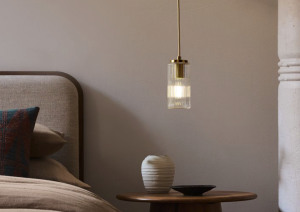
Metals like brushed brass, matte black, or brushed nickel are frequently used. The matte finish prevents harsh reflections and contributes to a sophisticated, understated look. They complement the wood elements and add a touch of modern industrialism without being overpowering.
Frosted or Opal Glass
For diffusers, frosted or opal glass is popular. This creates a soft, diffused light that’s gentle on the eyes, avoiding glare and making the dining experience more comfortable. It’s a practical choice that also looks elegant.
Geometric Shapes: The Backbone of Chic Dining
The “clean geometry” isn’t just a buzzword; it’s the fundamental building block of Scandinavian pendant design for dining rooms. These shapes are not only aesthetically pleasing but also influence the way light is distributed and the overall feel of the space.
Spheres and Cylinders: Timeless Simplicity
These are perhaps the most ubiquitous shapes in Scandinavian pendant lighting. Their inherent symmetry and lack of sharp angles create a sense of calm and balance.
The Classic Sphere
A pendant shaped like a perfect sphere can be surprisingly versatile. It can appear as a single, commanding orb or be part of a cluster to create a dynamic feature. The smooth, continuous surface is inherently modern.
The Sleek Cylinder
Cylindrical pendants offer a more elongated and direct form. They can be designed with open tops and bottoms for maximum light spread, or with a solid shade to direct light downwards. Their verticality can add a sense of height to a room.
Cones and Drum Shades: Refined Functionality
These shapes are classic for a reason, offering both style and excellent lighting control.
The Tapered Cone
Cone-shaped pendants have a natural directional quality. They tend to focus light downwards, making them ideal for illuminating a specific area like a dining table. The tapered form also adds a subtle sense of movement.
The Drum Shade Revival
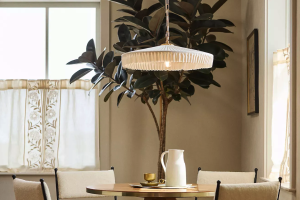
While drum shades might evoke traditional lighting for some, Scandinavian versions are often pared down to their essential form with minimalist detailing. They offer a broader diffusion of light, creating a softer, more ambient glow across the tabletop.
Open Frame and Cage Designs: Industrial Touches, Scandinavian Sensibilities
While Scandinavian design is minimalist, it doesn’t shy away from incorporating elements that nod to other styles, like subtle industrial influences.
Minimalist Cage Pendants
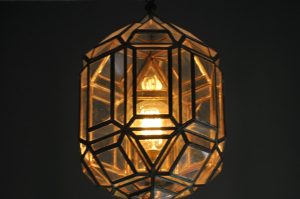
These pendants feature an outer geometric frame enclosing the light source. The frame itself is usually simple, often a cube or a rectangular prism, rather than an ornate cage. They offer a lighter visual presence than solid shades.
Linear Designs
Long, linear pendants are also very much in vogue. These are often a series of simple geometric forms arranged in a line, or a single elongated rectangular shade. They’re excellent for wider dining tables.
Material Pairings: Creating Warmth and Sophistication
The elegance of Scandinavian pendant lighting often comes from the thoughtful combination of materials. This is where the warmth of natural elements meets the crispness of modern finishes.
Wood and Metal: A Harmonious Blend
This is a classic pairing that perfectly encapsulates the Scandinavian design ethos.
Light Wood Accents
You’ll often see a light wooden element, like a stem or a small cap, paired with a metal shade. This breaks up the coolness of the metal and adds an organic touch.
Brushed Metal Elements
The metals used are typically not high-gloss. Brushed brass, for example, offers a warm, subdued gleam that’s far more inviting than polished chrome. Matte black adds a sophisticated, grounding effect.
Glass and Wood: Diffusion and Natural Texture
When glass is used, it’s often to soften the light, and pairing it with wood brings natural texture.
Frosted Glass with Wooden Details
A frosted glass shade might be topped with a simple wooden knob or have a wooden suspension cord. This combination creates a soft, diffused light that’s ideal for dining, with the wood adding a natural counterpoint.
Clear Glass with Minimalist Fixtures
Sometimes, clear glass is used to showcase the light bulb itself, which might be an Edison-style bulb with a visible filament. The surrounding fixture, however, will remain distinctly Scandinavian in its clean lines and material.
Practical Considerations for Dining Room Illumination
Choosing the right pendant light for your dining room isn’t just about looks. There are practical aspects to consider to ensure optimal functionality and ambiance.
Scale and Proportion: The Golden Rule
The size of your pendant light needs to be in harmony with the size of your dining table and the overall room.
Table Diameter vs. Pendant Size
A general guideline is that the diameter of your pendant (or the combined diameter of a cluster) should be about half to two-thirds the diameter of your dining table. You don’t want a pendant that feels lost or completely overwhelms the space.
Ceiling Height Matters
If you have a very high ceiling, you might opt for a larger pendant or a cluster to fill the vertical space. For lower ceilings, a more streamlined and perhaps shorter pendant will work better to avoid feeling cramped.
Lighting Layers: Beyond a Single Pendant
While a central pendant is the star, consider how it fits into a broader lighting scheme.
Accent Lighting
Think about adding wall sconces or perhaps a buffet lamp to provide softer ambient light for when you don’t need the full brightness of the pendant.
Dimmable Options
One of the most practical features you can add is a dimmer switch. This allows you to adjust the intensity of the light depending on the occasion – bright for everyday meals and lower for a more intimate dinner party.
Integration into Your Dining Room Decor
Scandinavian pendant lighting is designed to be a harmonious addition, not a jarring imposition. Its clean geometry makes it surprisingly adaptable.
Creating a Focal Point
A well-chosen pendant can serve as a beautiful anchor for your dining room. Its simple form draws the eye without being distracting.
The Pendant as Art
Think of the pendant as a piece of functional sculpture. Its clean lines and material quality can elevate the entire room.
Harmonizing with Other Furnishings
The understated nature of Scandinavian pendants means they pair well with a variety of dining table styles, from rustic wood to sleek modern designs.
Complementing Natural Materials
If your dining table is wood, a pendant with wood accents will create a cohesive look. If your chairs are upholstered, a more industrial-feeling metal pendant can provide a nice contrast.
Balancing with Color
While Scandinavian design often favors neutral palettes, a pendant can be a subtle way to introduce a hint of color, perhaps through a very subtle shade or a muted metallic finish. However, the emphasis remains on its form and material.
Scandinavian pendant lighting offers a refined and practical approach to dining room decor. By focusing on clean geometry, natural materials, and functional design, these lights provide an elegant and inviting atmosphere that is both timeless and chic.