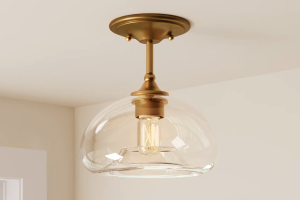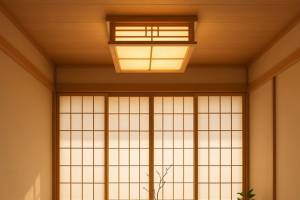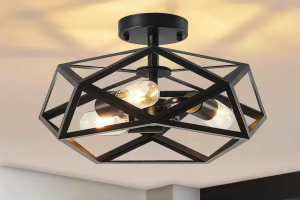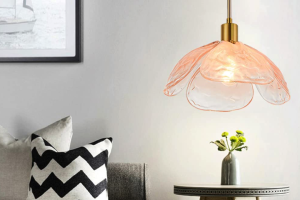
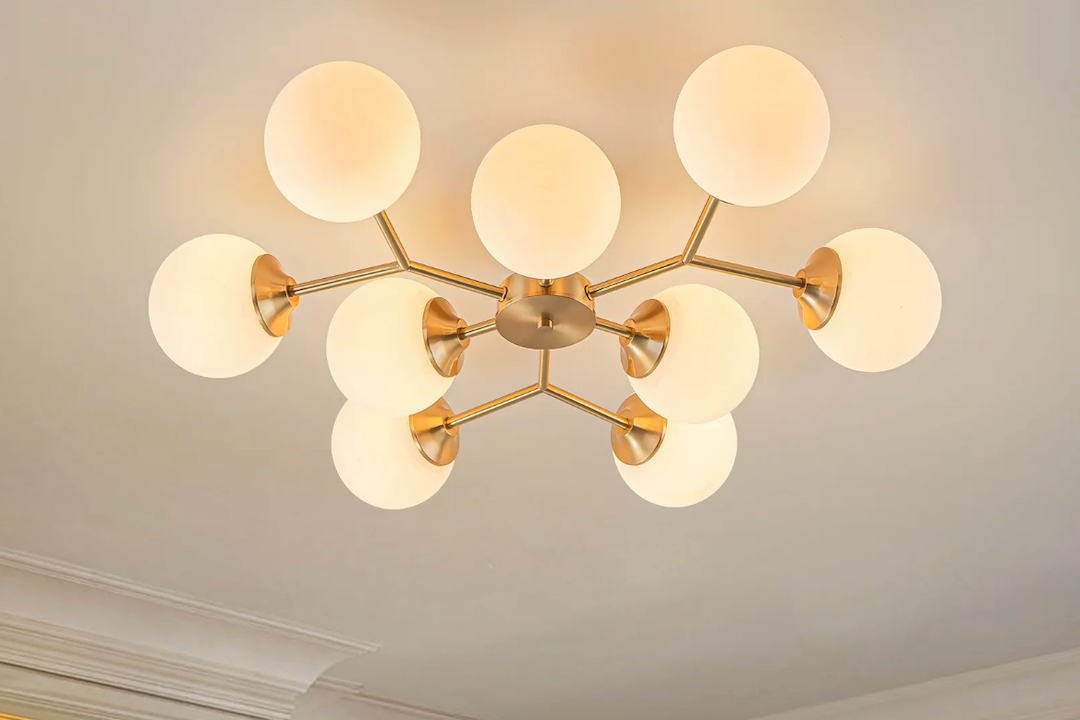
Looking for a discreet yet effective lighting solution for your apartment? Frosted glass ceiling lights are a solid choice, particularly the low-profile varieties. They offer a soft, diffused light that’s easy on the eyes and a sleek, unobtrusive design that won’t overwhelm your space, making them ideal for apartments where headspace and aesthetics are key considerations.
Living in an apartment often comes with certain space constraints. High ceilings are a luxury many don’t have, and bulky light Hozolighting fixtures can make a room feel even smaller and more cluttered. This is where low-profile lighting truly shines. It provides the necessary illumination without drawing undue attention or physically getting in the way.
Maximizing Headroom and Openness
A chunky pendant light or a chandelier, while beautiful in a grand foyer, can feel like it’s hanging too low in an apartment living room or bedroom. Low-profile fixtures sit flush or very close to the ceiling, effectively disappearing into the architectural lines of the room. This visual trick creates the illusion of more open space and higher ceilings, contributing to a more airy and comfortable atmosphere. It’s not just about aesthetics; it’s about practical comfort – no more accidental head bumps or the feeling of something looming overhead.
Seamless Integration with Modern Aesthetics
Many apartments feature contemporary, minimalist, or industrial design elements. Low-profile lighting, with its clean lines and unassuming presence, complements these styles beautifully. It’s not meant to be a focal point, but rather a functional element that enhances the overall design without competing with other decor pieces. This subtle integration ensures that your lighting supports your interior design choices rather than dominating them.
The Appeal of Frosted Glass
Beyond the low-profile aspect, the use of frosted glass in these fixtures brings its own set of advantages. It’s a material chosen for both its aesthetic qualities and its practical light-diffusing properties.
Gentle and Even Light Distribution
One of the primary benefits of frosted glass is its ability to diffuse light. Unlike clear glass, which can create harsh shadows and direct glare from the bulb, frosted glass scatters the light as it passes through. The result is a soft, even glow that illuminates the room without creating bright spots or deep shadows. This kind of ambient lighting is perfect for living spaces where you want a comfortable, inviting atmosphere. It reduces eye strain, making tasks like reading or working on a computer more pleasant.
Concealing the Light Source
Let’s be honest, exposed light bulbs, especially energy-efficient but not always aesthetically pleasing LED bulbs, aren’t always the look we’re going for. Frosted glass effectively camouflages the bulb, presenting a clean and uniform surface. This makes the fixture look more refined and finished, regardless of the type of bulb you’ve chosen to use inside. It’s a simple solution that upgrades the visual quality of your lighting setup.
Durability and Easy Maintenance
Glass, especially tempered frosted glass, is a durable material. It’s resistant to scratching and discoloration, ensuring your light fixture maintains its appearance over time. When it comes to cleaning, a simple wipe with a damp cloth is usually enough to keep frosted glass looking new. Unlike fabric shades that can collect dust and be tricky to clean, or open fixtures that allow dust to settle directly on the bulbs, frosted glass enclosures offer a relatively low-maintenance lighting option.
Types of Low Profile Frosted Glass Ceiling Lights
While the basic concept remains the same, there’s a good variety of low-profile frosted glass ceiling lights to suit different needs and preferences. Understanding the subtle distinctions can help you choose the best fit for your apartment.
Flush Mount Fixtures
These are perhaps the quintessential low-profile option. Flush mount lights are designed to sit directly against the ceiling, with no gap between the fixture and the surface. They are incredibly discreet and are an excellent choice for areas with very low ceilings or where you want the lighting to be as unnoticeable as possible. Often round or square, they present a clean, minimalist aesthetic. Their uniform appearance makes them a good choice for hallways, bathrooms, or kitchens where functional, unobtrusive lighting is paramount.
Semi-Flush Mount Fixtures
A step up from flush mount, semi-flush fixtures hang a few inches below the ceiling, creating a slight gap. This small separation can add a touch of visual interest and allows for a bit more light dispersion around the edges of the fixture. While still considered low-profile, they offer a slightly more decorative element than their flush-mount counterparts. They are a good compromise if you want something a bit more noticeable than a flush mount but still need to conserve headroom. They work well in living rooms, dining areas, or larger bedrooms.
Integrated LED Panels
Modern technology has brought us integrated LED panels that are often incredibly thin and feature a frosted diffuser. These fixtures are designed with the LEDs built directly into the unit, offering exceptional energy efficiency and a very sleek, almost invisible profile. They are often minimalist in design, sometimes resembling simple white squares or circles on the ceiling. Because they don’t rely on traditional bulbs, their design can be much flatter. These are excellent for utility rooms, offices, or anywhere you need bright, consistent light with minimal visual impact.
Surface Mount Downlights
These are essentially low-profile can lights that don’t require cutting a large hole in your ceiling. Instead, a small housing mounts directly to the ceiling surface, with a frosted lens at the bottom. They provide a more directed light than a broad flush mount, useful for task lighting or highlighting specific areas, while still maintaining a very low profile. They offer a good solution for kitchens or workspaces where focused illumination is desirable but recessed lighting isn’t an option.
Key Considerations When Choosing
Selecting the right low-profile frosted glass ceiling light involves more than just picking the first one you see. Several factors should influence your decision to ensure it meets both your aesthetic and functional requirements.
Size and Scale for Your Room
The size of the fixture should be proportionate to the size of your room. A fixture that’s too small might look lost and won’t provide adequate lighting, while one that’s too large can overwhelm the space despite being low-profile. A common rule of thumb for determining the diameter of a light fixture in inches is to add the length and width of the room in feet. For example, for a 10’ x 12’ room, you’d look for a fixture around 22 inches in diameter. This isn’t a hard and fast rule, but a good starting point for proportionality.
Light Output and Color Temperature
Think about how much light you actually need and the kind of ambiance you want to create. Lumen output (brightness) is crucial. A bedroom might need 2,000-3,000 lumens, while a kitchen could require 5,000 lumens or more. Color temperature, measured in Kelvin (K), also plays a significant role.
- Warm white (2700K-3000K): Creates a cozy, inviting atmosphere, ideal for living rooms and bedrooms.
- Cool white (3500K-4000K): Offers a more neutral, alert feel, suitable for kitchens, bathrooms, or home offices.
- Daylight (5000K-6500K): Mimics natural daylight, very bright and crisp, often preferred for task lighting in utility areas or garages, though it can feel harsh in living spaces.
Many modern fixtures now offer tunable white options, allowing you to adjust the color temperature to suit your mood or activity. If possible, opt for a fixture that supports dimmable bulbs or has integrated dimmable LEDs.
Design and Finish Harmonization
Even though these lights are meant to be understated, their design and finish should still complement your existing decor. Pay attention to the housing material – brushed nickel, chrome, matte black, oil-rubbed bronze, or plain white are common options. Consider the shape as well – round, square, or elongated can create different visual effects. The goal is for the fixture to blend seamlessly rather than stick out. A sleek round fixture with a chrome trim might suit a modern bathroom, while a white square flush mount might be perfect for a minimalist kitchen.
Energy Efficiency and Bulb Type
For long-term savings and environmental friendliness, energy efficiency should be a priority. LED lighting is by far the most efficient choice, consuming significantly less power and lasting much longer than incandescent or fluorescent bulbs. If the fixture uses replaceable bulbs, ensure it’s compatible with LED bulbs. Many low-profile frosted glass ceiling lights now come with integrated LEDs, meaning the bulbs are built into the unit and not replaceable. While this offers a very streamlined design and excellent efficiency, it means you’ll need to replace the entire fixture when the LEDs eventually reach the end of their lifespan (though this is typically decades).
Installation Process
While most ceiling lights require basic electrical knowledge for installation, some low-profile fixtures can be simpler or more complex than others. Integrated LED panels, for instance, might be very straightforward wire-and-mount installations. Others might require specific bracing or junction box types. Always check the manufacturer’s instructions and assess whether it’s a DIY project you’re comfortable with, or if you’ll need to call in a qualified electrician. Safety should always be the top priority when dealing with electrical work.
Maintenance and Longevity
One of the great things about low-profile frosted glass ceiling lights is their relatively low maintenance. However, a few tips can help ensure they continue to look good and function effectively for years to come.
Simple Cleaning Practices
Dust and grime can accumulate on any light fixture, gradually dimming its output and making it look dull. For frosted glass, a soft, dry microfiber cloth is usually sufficient for regular dusting. For more stubborn marks or a deeper clean, a lightly damp cloth with a mild glass cleaner (avoiding harsh chemicals that could damage the finish) will do the trick. Always ensure the power to the fixture is turned off at the circuit breaker before cleaning.
Bulb Replacement (If Applicable)
If your fixture uses replaceable bulbs, keep spare bulbs on hand. When replacing, always ensure you’re using the correct wattage and bulb type recommended by the manufacturer. LEDs consume much less power, so if you’re upgrading from incandescents to LEDs, you can significantly reduce the wattage while maintaining or improving light output. Remember to dispose of old bulbs responsibly, especially if they are CFLs containing mercury.
Addressing Common Issues
Occasionally, you might encounter flickering lights, inconsistent brightness, or buzzing. These can often be traced back to a loose connection, a faulty dimmer switch not compatible with LED bulbs, or a bulb that’s nearing the end of its life. Before calling an electrician, double-check all connections (with the power off), try a different bulb, or ensure your dimmer switch is rated for LED use. For integrated LED fixtures, issues might point to a problem within the unit itself, in which case contacting the manufacturer or an electrician would be the next step.
By considering these factors, you can make an informed decision when choosing a low-profile frosted glass ceiling light for your apartment, ensuring it provides both the functional illumination you need and enhances your living space.