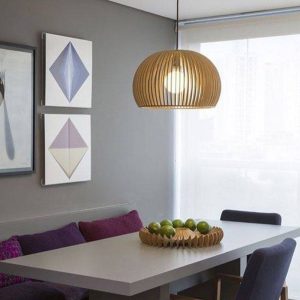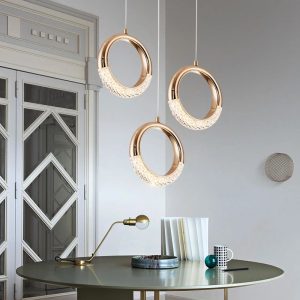
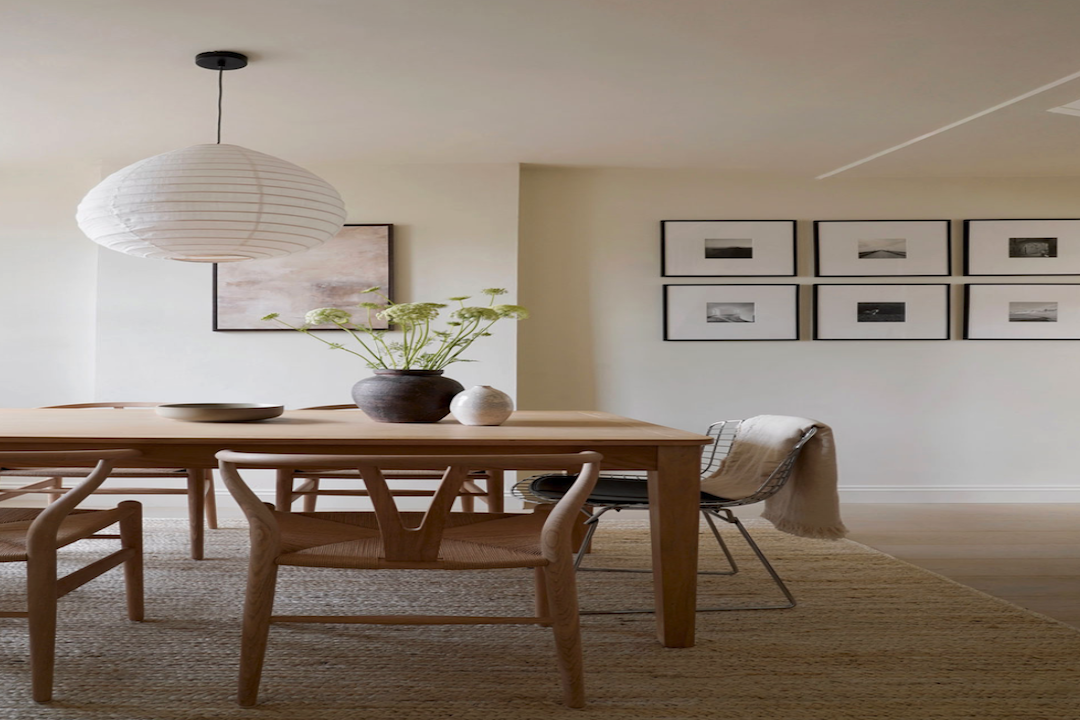
Looking to add a touch of cozy charm to your dining room? Linen shade lighting is a fantastic way to do it. These fixtures offer a soft, diffused glow that immediately makes a space feel more inviting and intimate, perfectly complementing a rustic aesthetic. It’s less about bright, stark illumination and more about creating an atmosphere that encourages lingering over meals and conversation.
Why Linen for Rustic Charm?
Linen’s natural texture and muted tones are inherently suited to a rustic style. It’s not overly polished or manufactured-looking, which is key when you’re aiming for that comfortable, lived-in feel. Think of a well-loved linen shirt – it has character and a softness that synthetic materials often lack. This Lucksnail translates beautifully into lighting, where it helps to diffuse light and create a warm, inviting ambiance that synthetic shades can sometimes struggle to replicate.
The Natural Appeal of Linen
The beauty of linen lies in its natural fibers. Unlike mass-produced plastics or metals, linen has a subtle weave and variations that give each piece a unique character. This organic quality resonates perfectly with the rustic ethos, which often embraces imperfections and natural materials. It’s a tactile material, and even just seeing it can evoke a sense of warmth and comfort.
Beyond the Beige: Linen Shade Color Palettes
While beige and cream are classic choices, linen shades come in a surprising range of subtle colors that can enhance your rustic dining room. Think earthy tones like soft greys, muted olives, or even a hint of dusty rose. These aren’t bold, vibrant colors, but rather muted hues that blend seamlessly into a natural, rustic palette, adding depth without overwhelming the senses.
Types of Linen Shade Fixtures for Your Dining Room
When it comes to bringing linen shades into your dining room, you have several options, each offering a slightly different approach to illumination and style. The key is to choose a fixture that not only incorporates linen but also fits the overall scale and design of your room.
Pendant Lights: The Classic Centerpiece
Pendant lights are often the go-to for dining rooms, and with a linen shade, they become a soft, welcoming focal point. These hang directly over your dining table, casting a warm pool of light that’s perfect for illuminating meals and setting a convivial mood. The size and number of pendants you choose will depend on the size of your table and room.
Single Pendant Elegance
For smaller dining areas or tables, a single, well-chosen linen shade pendant can be incredibly effective. It draws the eye to the table without feeling too heavy or dominating the space. Look for designs with clean lines and a substantial enough shade to provide adequate light diffusion.
Multi-Pendant Arrangements
In larger rooms or over longer tables, a cluster of two or three smaller linen shade pendants can create a more dynamic and visually interesting display. This approach allows for a broader spread of light and can add a touch of modern flair while still maintaining that rustic warmth. Consider arranging them at varying heights for added visual appeal.
Chandelier-Style Fixtures with Linen Shades
For a more traditional or grand rustic look, consider chandeliers that incorporate linen shades. These often feature a more elaborate framework, perhaps made of wrought iron or distressed wood, with individual linen shades covering the bulbs. This combination offers a beautiful blend of rustic materials and a softer light source than a bare-bulb chandelier.
Wrought Iron and Linen Harmony
Wrought iron is a classic material in rustic design, and when paired with linen shades, it creates a striking contrast. The dark, sometimes textured metal provides a grounding element, while the soft linen shades temper the overall feel, preventing it from becoming too industrial or harsh.
Distressed Wood Accents
Chandeliers featuring distressed wood elements alongside linen shades truly lean into the rustic aesthetic. The wood can be a reclaimed barn wood look, or something more subtly aged, adding to the sense of history and natural beauty.
Sconces for Ambiance and Accent Lighting
While pendants and chandeliers are primary light sources, sconces can be excellent for adding layers of light and enhancing the cozy atmosphere of a rustic dining room. Linen shade sconces, often mounted on walls, provide a softer, more diffused upward or downward light, creating gentle highlights and shadows.
Wall-Mounted Warmth
Linen shade wall sconces are perfect for adding a gentle glow to the periphery of your dining room. They can be placed strategically to highlight artwork, architectural features, or simply to create a more intimate ambiance when a brighter overhead light isn’t needed.
Accentuating the Rustic Texture
The textured quality of linen shades, when used in sconces, can beautifully play with the light, casting subtle patterns and enhancing the textures of your rustic decor, like exposed brick or natural wood paneling.
The Materials That Complement Linen Shades
The magic of linen shade lighting in a rustic dining room isn’t just about the shade itself; it’s about how it interacts with the other materials in the fixture and the room. When done right, it creates a harmonious blend of natural textures.
Natural Woods: A Perfect Pairing
Wood is almost synonymous with rustic design, and it’s a natural partner for linen shades. Whether it’s a dark, stained wood for a more traditional feel, or a lighter, weathered wood for a more farmhouse-inspired look, the combination is always warm and inviting.
Dark Stained Woods
For a classic rustic dining room, dark stained woods like oak, cherry, or walnut in your light fixture provide a sense of gravitas and tradition. The rich tones of the wood complement the earthy hues of linen beautifully.
Reclaimed and Weathered Woods
Embracing the imperfection of reclaimed or weathered wood truly elevates the rustic feel. Think of fixtures with a distressed finish, a slightly greyed patina, or visible grain patterns. These elements add character and a sense of history to your lighting.
Metal Accents: Adding Depth and Contrast
While wood is a primary choice, metal accents can add an important layer of contrast and visual interest to linen shade fixtures. The key is to choose metals that align with the rustic aesthetic.
Blackened or Forged Iron
Blackened or forged iron is a go-to for rustic metalwork. Its raw, often slightly uneven texture pairs wonderfully with the softness of linen. This combination evokes a sense of handcrafted quality and durability.
Brushed Bronze or Antique Brass
For a slightly warmer or more aged feel, consider fixtures with brushed bronze or antique brass accents. These metals have a subtle sheen that catches the light without being overly reflective, and their aged patina complements the natural look of linen.
Glass Elements: Subtle Enhancements
While the linen shade is the star, some fixtures might incorporate subtle glass elements that can enhance the overall design and light diffusion.
Seeded or Frosted Glass
If a fixture includes glass, opt for seeded or frosted glass. Seeded glass has small bubbles and imperfections that add visual texture, while frosted glass softens the light even further. These are far more appropriate for a rustic setting than clear, highly reflective glass.
Creating the Right Ambiance with Linen Shade Lighting
Beyond the fixture itself, how you use and layer your linen shade lighting can make a significant difference in the overall feel of your rustic dining room. It’s about creating a layered and adaptable lighting scheme.
Layering Light for Depth and Functionality
Effective lighting is rarely about a single overhead source. For a truly cozy and functional rustic dining room, layering is key. This means combining your main linen shade fixture with other light sources to create depth and flexibility.
Task Lighting Over the Table
Your primary linen shade pendant or chandelier provides the main task lighting for your dining table. Ensure it’s positioned correctly to illuminate the surface evenly without casting harsh shadows on diners. Dimmable options are highly recommended here.
Accent Lighting for Atmosphere
Beyond the table, consider accent lighting. This could be your linen shade sconces on the walls, or perhaps small table lamps with mini linen shades on a sideboard. These secondary sources add warmth and draw the eye to different areas of the room, creating a more inviting and layered look.
Dimmable Fixtures: The Key to Versatility
This is arguably the most important practical consideration for any dining room lighting, and it’s especially crucial when working with the soft diffusion of linen shades. Being able to adjust the light intensity allows you to tailor the ambiance for different occasions.
From Dinner Parties to Quiet Dinners
Imagine hosting a lively dinner party. You’ll want a brighter, more functional light. Then, for a quiet weeknight meal or a romantic dinner, you can dim the lights to create an intimate, cozy atmosphere. Dimmers give you that crucial control.
Enhancing the Linen’s Natural Glow
On a lower setting, dimmable linen shades allow the natural texture and warmth of the fabric to really shine through. It creates a soft, diffused glow that’s incredibly flattering and relaxing.
Practical Considerations for Your Linen Shade Lighting
Before you fall in love with a particular fixture, there are a few practical points to keep in mind to ensure your linen shade lighting is both beautiful and functional in your rustic dining room.
Scale and Proportion: Finding the Right Fit
The size of your lighting fixture needs to be in proportion to your dining table and the overall room dimensions. A tiny pendant over a large farmhouse table will look lost, just as a massive chandelier in a small nook will overwhelm the space.
Table-to-Fixture Ratio
As a general guideline, the width of your pendant or chandelier should be about half to two-thirds the width of your dining table. This ensures it looks balanced and functional without being obtrusive.
Ceiling Height Matters
Don’t forget your ceiling height! If you have a very low ceiling, a long, dangling pendant might not be ideal. Conversely, in a room with a high ceiling, you can afford to go with longer chain lengths or larger fixtures.
Installation and Maintenance: Keeping it Simple
Most lighting fixtures require professional installation, especially if you’re dealing with hardwiring or complex arrangements. However, the ongoing maintenance of linen shades is generally quite straightforward.
Cleaning Your Linen Shades
Linen shades can typically be cleaned with a vacuum cleaner using a soft brush attachment to remove dust. For more stubborn marks, a slightly damp cloth can be used, but always test in an inconspicuous area first to avoid water stains. Avoid harsh chemicals or excessive moisture.
Bulb Choice and Heat
When choosing bulbs for your linen shade fixtures, opt for LED bulbs. They are energy-efficient, generate less heat than incandescent bulbs (which is important for delicate fabrics like linen), and come in a range of warm color temperatures that will enhance the cozy glow. Ensure the bulb wattage doesn’t exceed the fixture’s recommendations.
The Enduring Appeal of Linen in Rustic Decor
Linen shade lighting is more than just a trend; it’s a timeless choice that brings a genuine sense of warmth and comfort to a dining room. Its natural beauty, ability to diffuse light softly, and inherent connection to rustic aesthetics make it a practical and stylish decision for anyone looking to create a cozy and inviting heart of their home. It’s about creating a space where meals are savored, conversations flow easily, and the lighting itself contributes to the overall feeling of welcoming embrace.