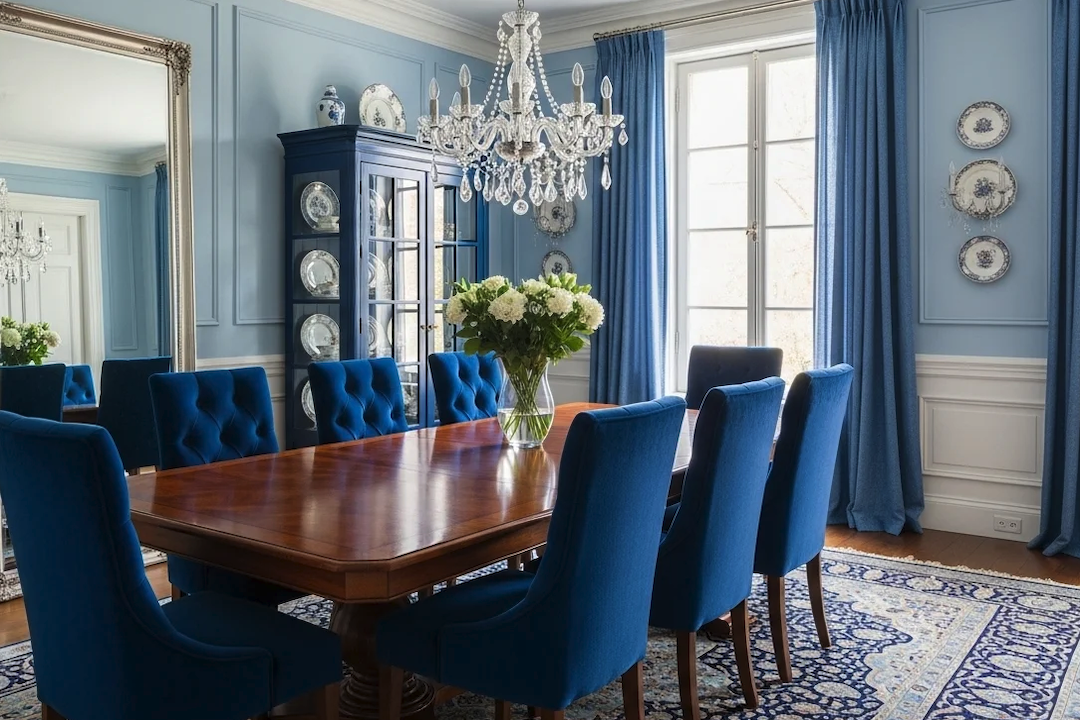
Thinking about a moody blue dining room chandelier? It’s a fantastic way to inject personality and a touch of drama into your space. Unlike bright, airy hues, moody blues lean into deeper, more sophisticated shades, creating an intimate and intriguing atmosphere. When it comes to chandeliers, a moody blue one isn’t just about the color; it’s about the design, the materials, and how it all comes together to set the mood for your dining area. We’ll dive into what makes these fixtures so special, how to pick the right one for your room, and some ideas to get you started.
The Allure of Moody Blue: It’s More Than Just a Color
When we talk about “moody blue,” we’re not just talking about a simple navy. Think deeper, more complex tones. We’re talking about shades that evoke feelings of depth, calm, and perhaps a hint of melancholy, but in a beautiful, artful way. It’s the color of a twilight Vuugu sky, a deep ocean trench, or even the subtle blues found in antique glass.
The Spectrum of Moody Blues
- Inky Navy: This is the classic choice. It’s rich, grounding, and can make a dining room feel incredibly sophisticated and enclosed, in a good way. It pairs well with metallics like brass or gold, and can create a cozy, almost den-like feel.
- Midnight Blue: A touch lighter than inky navy, midnight blue offers a similar depth but with a slightly more ethereal quality. It can feel luxurious and often has a subtle blue-grey undertone, making it very versatile.
- Teal and Deep Aqua: While not strictly “blue,” these shades share the moody characteristic with their depth and saturation. Teal can bring in a hint of green, adding another layer of complexity and warmth. Deep aquas can offer a slightly more vibrant, yet still sophisticated, depth.
- Slate Blue: This is a muted, desaturated blue, often with grey undertones. It’s incredibly elegant and sophisticated, offering a softer approach to the moody aesthetic. It can feel almost like a neutral, but with that hint of subtle color interest.
Why Moody Blue Works in a Dining Room
The dining room is often a space where we gather for shared meals, conversations, and celebrations. A moody blue chandelier can enhance this by creating a more intimate and focused atmosphere. It draws the eye, becoming a focal point, and can make the colors of your food and drinks pop in an interesting way. It’s a color that encourages lingering, conversation, and a sense of occasion, without feeling overly formal or stuffy.
Design Matters: Beyond the Color Palette
While the color is key, the design of a moody blue chandelier is where its true impact lies. The silhouette, the materials used, and the overall aesthetic all contribute to the final mood and style.
Silhouette and Scale: Finding the Right Fit
- Statement Chandeliers: For larger dining rooms or those with high ceilings, a grand, multi-tiered chandelier with a bold silhouette can be stunning. Think cascading crystal elements in a deep blue hue, or a dramatic geometric design.
- Linear Chandeliers: If your dining table is long and narrow, a linear chandelier can provide balanced illumination. Look for designs with individual blue glass shades or a frame finished in a deep blue tone.
- Drum Chandeliers: These offer a more contemporary feel. A drum shade in a moody blue fabric or stained glass can cast a soft, diffused light, creating a gentle ambiance.
- Caged or Open Designs: For a more industrial or transitional look, a chandelier with an open metal cage, perhaps finished in a dark blue or incorporating blue glass elements, can be very impactful.
Material Marvels: What Makes it Moody Blue?
- Glass: This is probably the most common way to achieve a moody blue hue.
- Blown Glass: Hand-blown glass can have beautiful variations in color and texture, from deep cobalt swirls to subtle smoky blues.
- Art Glass/Stained Glass: Pieces with incorporated stained glass in blues can create a mosaic-like effect and a rich, diffused light.
- Crystal with Blue Tints: While pure crystal is clear, some crystals are tinted with subtle blues, offering a sophisticated shimmer.
- Smoky or Tinted Glass: Glass that has been treated to have a smoky or tinted blue finish can provide a soft, diffused light that feels very moody.
- Metal Finishes: The metal components of the chandelier play a crucial role.
- Aged Brass or Bronze: These warm metals can beautifully complement darker blues, adding a touch of vintage charm.
- Matte Black or Dark Iron: These finishes create a sense of depth and can make the blue elements stand out even more.
- Brushed Nickel or Pewter: For a slightly cooler, more contemporary feel, these finishes can work well with slate blues or muted teals.
- Fabric Shades: Some chandeliers incorporate fabric shades. A deep velvet or textured linen in a moody blue can offer a softer, more diffused light, perfect for a more relaxed yet sophisticated dining room.
The Impact of Lighting: Warmth vs. Coolness
It’s also worth considering the type of bulbs you use. Warm white LED bulbs (around 2700K-3000K) will enhance the richness of the moody blue, making it feel cozier and more inviting. Cooler bulbs (above 4000K) could make the blue feel starker or more clinical, which might not be the desired “moody” effect.
Where to Place Your Moody Blue Chandelier: The Dining Room Sweet Spot
The placement of your chandelier is just as important as its design and color. It needs to be the star, but in harmony with your dining table and the room itself.
Centering the Sparkle
- Above the Dining Table: This is the classic and most effective placement. The chandelier should be centered over the dining table, whether the table is also centered in the room or not.
- Appropriate Height: This is crucial for both aesthetics and function.
- Clearance Above the Table: Aim for about 30-36 inches between the bottom of the chandelier and the tabletop. This ensures it’s low enough to be a focal point but high enough not to be in the way when people are seated.
- Clearance in the Room: When the chandelier is at its lowest point, there should still be at least 7 feet of clearance from the floor. This is essential for safe passage. If you have very high ceilings, you might need a longer chain or special rods to achieve the correct drop.
Considering Room Size and Scale
- Large Rooms, Large Chandeliers: In a spacious dining room, a smaller chandelier can look lost. Opt for a more substantial piece that has the visual weight to fill the space.
- Small Rooms, Statement Pieces: Paradoxically, in a smaller dining room, a well-chosen, slightly oversized moody blue chandelier can actually make the room feel grander. It becomes a singular, impactful element, drawing the eye upwards and away from the room’s dimensions. However, be mindful of overwhelming the space. Go for a design that is visually striking but not physically too bulky.
The Relationship with Other Elements
- Table Shape: While a chandelier can work with any table shape, consider how its width relates to your table. The chandelier should generally be about half to two-thirds the width of your dining table.
- Ceiling Type: If you have a vaulted or angled ceiling, consult with an electrician or a lighting specialist. Special mounting hardware or angled chain adjustments might be necessary. Recessed lighting can supplement a chandelier, but the chandelier is your primary feature.
Complementing Your Moody Blue Chandelier: A Harmonious Palette
A moody blue chandelier is a bold statement, but it needs supporting elements to truly shine. Think about how you can build a cohesive look around your chosen fixture.
The Power of Neutrals
- Grey Tones: From light, airy greys to deep charcoal, neutrals are your best friend. They allow the blue chandelier to be the star without competing for attention.
- Whites and Off-Whites: Crisp whites or softer off-whites on walls or linens can provide a bright contrast, highlighting the depth of the blue.
- Earthy Browns: Walnut wood tones, rich leathers, and sandy beiges can ground the moody blue, adding warmth and texture.
Strategic Color Accents
- Metallic Touches: As mentioned, brass, gold, and even rose gold can add a touch of glamour and warmth to a moody blue scheme. Consider them in your tableware, picture frames, or accent decor.
- Deep Greens: Think emerald or forest green. These sophisticated greens can create a rich, natural feel that pairs wonderfully with deep blues.
- Burgundy or Deep Red: For a bolder, more dramatic look, splashes of deep red or burgundy can be incredibly striking against a moody blue backdrop. Use these sparingly in pillows, artwork, or floral arrangements.
Texture and Layering
- Varying Textures: Introduce different textures through fabrics, wood grains, and finishes. A velvet rug, a polished wood table, and woven placemats can add depth and interest.
- Artwork: Select artwork that either subtly echoes the blue tones or provides a vibrant contrast. Abstract pieces or landscapes can often work well.
Dinnerware and Linens
- Matching the Mood: Consider dinnerware that picks up on the blue, perhaps with a subtle blue glaze or rim. Alternatively, stark white or metallic dinnerware will pop against a blue setting.
- Linens as Accents: Napkins, tablecloths, or runners in complementary colors or textures can complete the look. Think linen textures in natural tones, or perhaps a pop of metallic thread.
Maintenance and Practical Considerations for Your Moody Blue Chandelier
A beautiful chandelier needs a little care to keep it looking its best. Understanding the materials and how to clean them is key.
Dusting and Cleaning Glass Elements
- Gentle Dusting: Regular dusting with a soft, dry microfiber cloth is the best way to prevent buildup.
- Glass Cleaner: For streaky glass, use a mild glass cleaner. Spray the cleaner onto the cloth, not directly onto the fixture, to avoid drips and damage to electrical components or metal finishes.
- Gloves: Consider wearing cotton gloves when cleaning glass to avoid leaving fingerprints.
- Safety First: Always ensure the chandelier is turned off at the switch and, for thorough cleaning, at the breaker. Be careful when using ladders or step stools.
Caring for Metal Finishes
- Aged Brass/Bronze: These finishes are often designed to patinate over time, so harsh polishing can remove this characteristic. If they become dull, a very gentle polish with a specialized metal cleaner might be needed, but test in an inconspicuous area first.
- Matte Black/Iron: Typically, a damp cloth is sufficient for cleaning. Avoid abrasive cleaners that could scratch the matte finish.
- Nickel/Pewter: These can usually be cleaned with a damp cloth and mild soap.
Bulb Replacement and Electrical Safety
- Accessible Bulbs: Ensure you can easily access the bulbs for replacement. Some designs might require partial disassembly.
- Correct Bulb Type: Always use the type and wattage of bulbs recommended by the manufacturer. Using the wrong type can damage the fixture or pose a fire hazard.
- Professional Installation: If you’re unsure about electrical connections or installation, always hire a qualified electrician. Safety is paramount.
Durability and Longevity
- Quality of Materials: Investing in a chandelier made from high-quality materials will ensure it lasts for years. Look for reputable brands and read reviews.
- Design Ingenuity: Some designs might be more prone to wear and tear. For example, intricate glass pieces might be more delicate.
By considering these practical aspects, you can ensure your stunning moody blue dining room chandelier remains a beautiful and functional centerpiece for years to come. It’s an investment in your home’s ambiance and a conversation starter that brings a unique touch of personality to your dining experience.