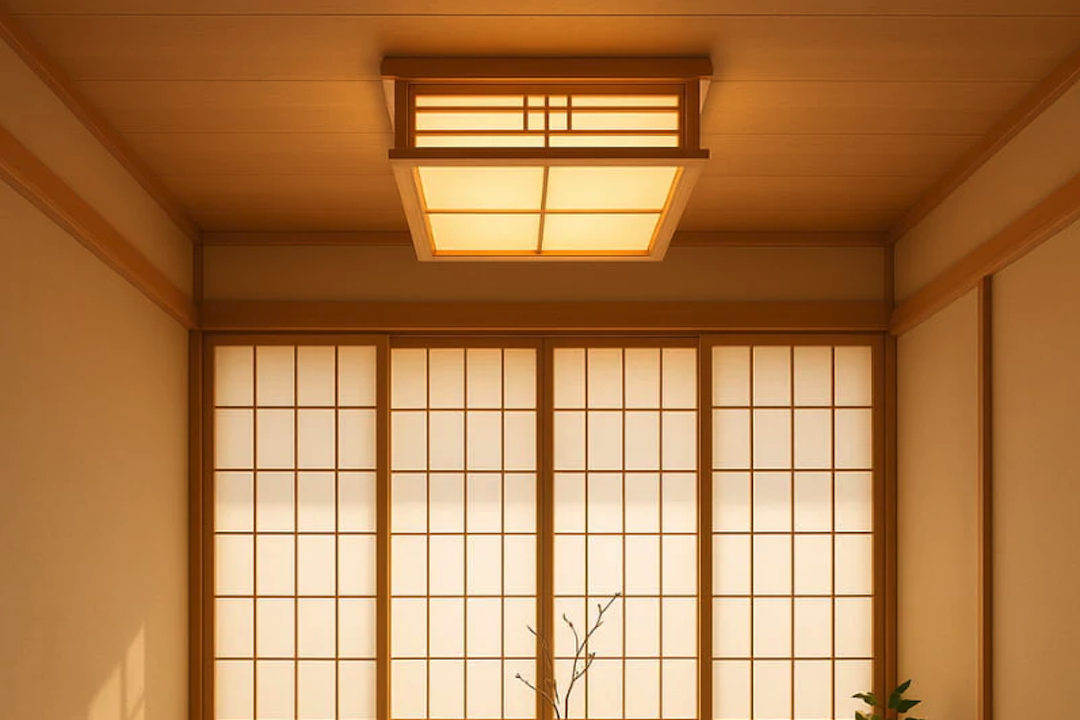
If you’re wondering what a Japanese Hinoki Wood Tatami Tea Room Ceiling Lamp is, plain and simple, it’s a lighting fixture designed to be mounted on the ceiling, typically in a traditional Japanese tea room or spaces aiming for that aesthetic. It’s crafted from Hinoki cypress wood and often incorporates elements that diffuse light softly, much like the gentle ambiance desired in a tatami room. Think of it as a specialized, naturally beautiful ceiling light that brings a bit of Japanese tradition and aroma directly into your space.
The star of this particular lamp is undoubtedly the Hinoki wood. It’s not just any wood; it’s deeply ingrained in Japanese culture and architecture, prized for several unique qualities.
The Aromatic Escape
One of the most immediate and delightful Lamolighting aspects of Hinoki is its distinctive scent. It’s often described as clean, lemony, and slightly woody, with hints of pine. This isn’t just a pleasant smell; it’s believed to have therapeutic properties, promoting relaxation and reducing stress. Imagine a subtle, natural air freshener that constantly calms your environment.
Durability That Lasts
Don’t let the delicate scent fool you; Hinoki wood is incredibly durable. It’s naturally resistant to rot, decay, and even insect infestation. Historically, it’s been used in the construction of temples and palaces that have stood for centuries. This means a Hinoki lamp isn’t just a pretty face; it’s an investment in a long-lasting piece of functional art.
A Touch of Tranquility
Beyond its physical properties, Hinoki wood carries a strong cultural significance. It’s associated with purity, sanctity, and tranquility, often used in sacred spaces. Bringing a Hinoki lamp into your home brings with it a piece of this rich cultural heritage, contributing to a serene and mindful atmosphere.
Design Principles: Form Meets Function
Japanese design, especially within the context of a tea room, is all about balance, simplicity, and functionality. These lamps are no exception.
The Art of Diffusion
Unlike harsh, direct lighting, these lamps prioritize soft, diffused light. This is crucial for creating the tranquil and meditative atmosphere of a tea room. Materials like Washi paper, frosted acrylic, or finely milled wood screens are often used to soften the light source, minimizing glare and creating a warm, inviting glow.
Minimalist Elegance
You won’t find overly ornate or flashy designs here. The beauty lies in the clean lines, natural materials, and unpretentious form. The focus is on the inherent beauty of the Hinoki wood and the quality of the light it emits, rather than elaborate embellishments.
Harmonious Proportions
Japanese aesthetics often emphasize harmonious proportions derived from natural forms. These lamps are designed to be visually balanced and to integrate seamlessly into a room’s overall design, rather than dominating it.
The Tatami Tea Room Connection
The “tatami tea room” aspect of the lamp’s name isn’t just for show. It speaks volumes about its intended environment and the philosophy behind its design.
The “Way of Tea” Ambiance
Chado, or the Way of Tea, is a centuries-old tradition focused on mindfulness, respect, purity, and tranquility. Every element of a tea room, from the tatami mats to the lighting, is carefully chosen to cultivate this atmosphere. The Hinoki lamp plays a vital role in establishing the visual and sensory conditions necessary for a meaningful tea ceremony.
Natural Light Emulation
Traditionally, tea rooms were designed to maximize natural light where possible, often through shoji screens. These ceiling lamps aim to replicate that soft, indirect natural light, even after the sun sets. The goal is to avoid an abrupt shift from natural daylight to artificial light, maintaining a sense of continuity and calm.
Respect for Materials
Both tatami mats and Hinoki wood share common ground in their natural origins and the respect they command in Japanese culture. Using a Hinoki lamp in conjunction with tatami flooring creates a cohesive and authentic environment, underscoring a deep appreciation for natural materials.
Practical Considerations for Your Space
While these lamps are steeped in tradition, they’re also practical fixtures. If you’re considering one, there are a few things to keep in mind.
Sizing It Up
Ceiling lamps need to be appropriately sized for the room. Too small, and it won’t provide adequate light or visual impact. Too large, and it can overwhelm the space. Consider the dimensions of your room and the desired ambient light level. Some designs are elongated rectangles, while others are more square or circular, offering options to fit various ceiling shapes.
Installation Insights
Most Hinoki ceiling lamps are designed for standard ceiling electrical boxes. However, if you’re installing it in a non-traditional space or undertaking a new build, ensure you have the necessary wiring and support for the fixture. Always consult with a qualified electrician if you’re unsure.
Maintenance Musings
Hinoki wood is relatively low maintenance. Regular dusting with a soft cloth is usually sufficient. Avoid harsh chemical cleaners, as these can damage the wood and alter its natural aroma. If the lamp incorporates Washi paper, be gentle as it can be delicate.
Light Source Options
While the fixture itself is traditional, the internal light source often benefits from modern technology. LED bulbs are an excellent choice for these lamps due to their energy efficiency, long lifespan, and ability to emit warm, dimmable light that complements the overall aesthetic. Look for “warm white” or “soft white” LEDs to maintain the cozy ambiance.
Beyond the Tea Room: Modern Applications
While steeped in tea room tradition, the appeal of Hinoki wood ceiling lamps extends far beyond. They’re surprisingly versatile and can enhance a variety of contemporary spaces.
Creating a Zen Sanctuary
If you’re aiming for a minimalist, tranquil, or “Zen” aesthetic in any room – be it a living room, bedroom, or even a home office – these lamps fit right in. Their clean lines and natural materials promote a sense of calm and order, perfect for unwinding or focusing.
Spa-Like Bathroom Retreats
Imagine stepping into a bathroom where the air is subtly scented with Hinoki and the light is soft and diffused. A Hinoki ceiling lamp can transform a functional bathroom into a private, spa-like retreat, enhancing relaxation during a bath or shower.
Restaurant and Hospitality Ambiance
For businesses looking to evoke a sense of calm, authenticity, or Japanese-inspired elegance, these lamps are an excellent choice. Sushi restaurants, boutique hotels, meditation studios, or even upscale general dining establishments can benefit from their unique blend of aesthetics and mood-setting capabilities.
Entryways and Hallways
Give your guests a serene welcome right from the moment they step through your door. A Hinoki ceiling lamp in an entryway or hallway can set a calming tone for the entire home, offering a glimpse into the thoughtful design within.
Why Choose Hinoki? Summing It Up.
Choosing a Japanese Hinoki Wood Tatami Tea Room Ceiling Lamp isn’t just about picking a light fixture; it’s about embracing a philosophy of natural beauty, tranquility, and enduring craftsmanship. It’s a statement piece that speaks to an appreciation for tradition, quality, and a mindful approach to living.
The natural aroma, the soft, diffused light, and the timeless elegance of the Hinoki wood combine to create an atmosphere that is both visually stunning and profoundly calming. Whether you’re a purist designing an authentic Japanese tea room or simply someone looking to infuse your modern space with a touch of serene sophistication and organic charm, these lamps offer a unique and compelling solution. They’re not just illuminating your room; they’re enriching it.