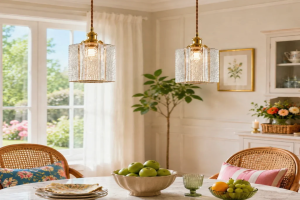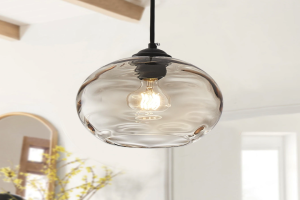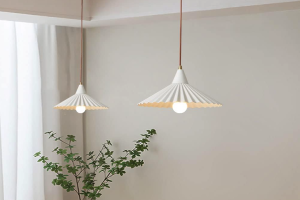
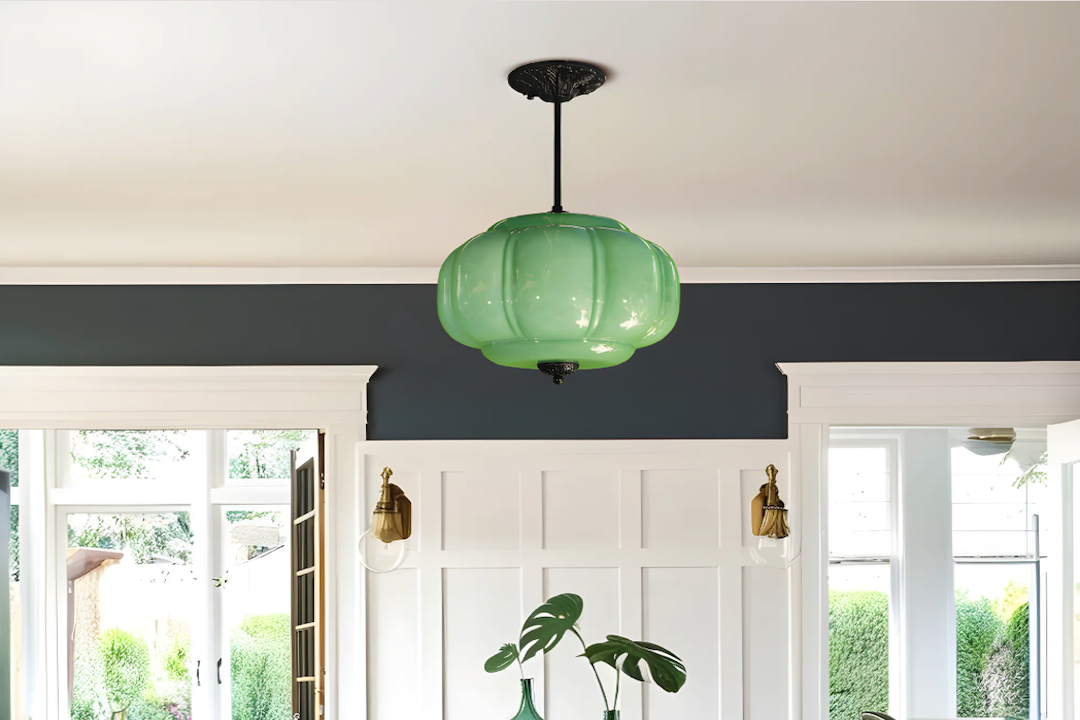
Green glass pumpkin pendant lights are essentially decorative light fixtures designed to resemble pumpkins, crafted from colored green glass, and suspended from the ceiling. They offer a unique blend of artistry and illumination, adding a touch of whimsy and elegance to a space. Beyond their aesthetic appeal, they also provide functional lighting, making them a popular choice for homeowners looking to introduce a distinctive design element.
You might wonder, why specifically green? Green, in interior design, isn’t just about adding a splash of color. It’s a versatile hue that can evoke a range of feelings and create diverse atmospheres.
The Psychology of Green in a Space
Think about it: green is the color of nature, growth, and renewal. It tends to create a calming and harmonious environment. When used in lighting, especially with a translucent material like glass, it softens the light Muzzhome and can even make a room feel more serene.
Green’s Versatility with Other Decor
The beauty of green is how well it plays with other colors and materials. It’s not as demanding as, say, a bright red or a vivid yellow. Green glass, depending on the shade and opacity, can beautifully complement:
- Natural Woods: Imagine a deep emerald green against a warm oak or a rustic pine. The contrast is stunning yet natural.
- Metallic Accents: Gold, brass, and even matte black metals truly pop against the backdrop of green. Think about the stem of the pumpkin design or the canopy of the pendant – these metallic touches elevate the fixture’s visual appeal.
- Neutral Palettes: In a room primarily decorated with whites, grays, or creams, a green glass pumpkin can be a focal point without overwhelming the space. It adds that much-needed point of interest.
- Earthy Tones: Browns, terracotta, and even muted oranges can create a wonderfully autumnal or cozy vibe when paired with shades of green.
Different Shades of Green Glass
It’s not just “green glass.” The spectrum is vast, and each shade offers a distinct personality:
- Emerald Green: Rich, luxurious, and often associated with elegance and sophistication. An emerald green pumpkin pendant can be a statement piece in a more formal dining room or a chic living area.
- Forest Green: Deeper, more subdued. This shade brings a touch of nature indoors and can feel very grounding. It’s perfect for creating a cozy, almost cabin-like atmosphere, or for complementing transitional decor.
- Sage Green: Muted, soothing, and often leaning towards a grayish-green. Sage green is excellent for creating a calm and airy feel, perfect for bedrooms or areas where relaxation is key. It pairs beautifully with light woods and soft textures.
- Lime Green: Bright, energetic, and playful. While perhaps less common for a full pumpkin fixture, a touch of lime green in a multi-toned glass or for a more whimsical design can inject a youthful vibrancy.
- Olive Green: Earthy, slightly desaturated, and sophisticated. Olive green has a vintage charm and pairs wonderfully with antique finishes or industrial elements.
- Seafoam Green: Light, airy, and reminiscent of ocean hues. Seafoam green can bring a coastal feel or a delicate touch to a brighter space.
Understanding these nuances in color helps you choose a fixture that truly harmonizes with your existing decor and the mood you want to create.
The Allure of the Pumpkin Form in Lighting
The pumpkin shape isn’t just for Halloween and autumn; it’s a naturally appealing form that translates beautifully into home decor, especially lighting.
Organic Shapes and Soft Lines
In an age where minimalist, sharp-edged designs often dominate, the organic, rounded form of a pumpkin offers a refreshing contrast. These soft lines can:
- Introduce a Sense of Warmth: Angular designs can sometimes feel cold or impersonal. The gentle curves of a pumpkin are inherently inviting and comforting.
- Break Up Monotony: If your room features a lot of straight lines – from furniture to architecture – a pumpkin pendant can introduce visual interest and break up the rigidity, creating a more dynamic space.
- Evoke a Natural Feeling: It harks back to nature, even in a stylized form, which can make a room feel more grounded and less sterile.
Whimsy and Playfulness
Let’s be honest, a pumpkin light fixture has a certain charm that a standard globe pendant might lack. It introduces a touch of whimsy without necessarily being childish. This playfulness can:
- Personalize a Space: It shows personality and a willingness to step outside the box, making your home feel more “you.”
- Create a Conversation Starter: Unique pieces often spark interest and discussion among guests.
- Add an Unexpected Element: In a sophisticated setting, a thoughtfully placed whimsical piece can actually elevate the overall design, proving that good design doesn’t always have to be ultra-serious.
Versatility Beyond Seasonal Decor
While the pumpkin shape is synonymous with autumn, its use in glass lighting transcends seasonal restrictions. A well-designed green glass pumpkin pendant, especially if it leans more artistic than overtly literal, is not just for fall.
- Year-Round Appeal: The color green itself is not seasonal. When crafted with quality glass and an elegant design, the “pumpkin” becomes an abstract, organic form rather than a literal garden squash.
- Transitional Design: These fixtures can blend well with various decor styles – from modern farmhouse to bohemian, and even some contemporary settings that appreciate a touch of natural form.
- Art Piece Quality: Many green glass pumpkin pendants are handcrafted, each piece unique. This artistic quality allows them to be appreciated as sculptural elements regardless of the time of year.
Craftsmanship: What Makes a Quality Green Glass Pumpkin Pendant?
Not all green glass pumpkin pendants are created equal. The quality of craftsmanship significantly impacts their appearance, durability, and overall value.
Hand-Blown Glass Techniques
The pinnacle of quality often lies in hand-blown glass. This ancient technique involves skilled artisans shaping molten glass using specialized tools and their breath.
- Unique Imperfections: Hand-blown glass often has subtle variations – tiny air bubbles, slight differences in thickness, or organic undulations that machine-made glass lacks. These aren’t flaws; they’re hallmarks of handcrafted work that give each piece its unique character.
- Artistic Expression: Artisans can imbue the glass with incredible detail, from subtle ridging that enhances the pumpkin form to varied coloration within the glass itself.
- Durability and Thickness: Quality hand-blown glass is often thicker and more robust than mass-produced alternatives, contributing to its longevity.
Types of Green Glass Used
The type of glass and how it’s colored also plays a huge role.
- Blown-in Color: The best quality glass often has the color “blown in,” meaning the green pigment is integrated into the molten glass itself. This gives a rich, consistent, and lasting color that won’t fade or chip. The color is inherent to the material.
- Coating vs. Integrated Color: Be wary of glass that is merely coated with green on the surface. These coatings can be prone to scratching, chipping, or fading over time, especially with exposure to heat from the light bulb. Always inquire about how the color is applied.
- Transparency and Opacity Levels: Some pendants might feature highly transparent green glass, allowing for a brilliant sparkle, while others might use more opaque or frosted glass for a softer, diffused glow. Your preference here will depend on the light output you desire and the aesthetic you’re aiming for.
Finishes and Hardware
The metal components – the canopy (the part that covers the electrical box on the ceiling), the down rod or cord, and any decorative elements – are crucial for both aesthetics and safety.
- Material Quality: Look for solid metals like brass, bronze, steel, or aluminum. Plastic components, especially for structural parts, can feel cheap and may not last as long.
- Finish Durability: Common finishes include brushed brass, polished nickel, oil-rubbed bronze, and matte black. Ensure the finish is applied evenly and appears durable. A cheap finish can chip, tarnish, or corrode quickly.
- Cord/Chain Quality: If the pendant uses a chord, ensure it’s a high-quality electrical wire, possibly fabric-wrapped for aesthetic appeal and kink resistance. For chains, solid links are important for both safety and appearance.
- Attention to Detail: Small details, like how the cords are integrated or how seams are finished, speak volumes about the overall quality of the fixture.
Placement & Practicality: Where Do These Pendants Shine?
Green glass pumpkin pendants can be incredibly versatile, but strategic placement is key to maximizing their impact.
Kitchen Islands and Dining Areas
This is a classic spot for pendant lighting, and the pumpkin shape adds a personalized touch.
- Task Lighting: Over an island, they provide focused light for food prep. The green glass can cast a subtle, warm glow on your workspace.
- Ambient Light for Dining: Over a dining table, they contribute to the overall atmosphere. A cluster of smaller pendants or a single larger one can define the eating area.
- Visual Interest: They break up the linearity of a kitchen island or dining table, adding softness and a focal point.
- Number of Pendants: For islands, consider the length. Two or three smaller pendants might look better than one very large one, ensuring even light distribution and visual balance. Over a dining table, a single large pendant often works best.
Entryways and Foyers
First impressions matter, and a unique pendant in an entryway can set the tone for your entire home.
- Welcome Guests: A beautiful green glass pumpkin pendant creates an inviting and memorable entry.
- Provide Ambiance: It offers soft, general lighting that isn’t too harsh upon entering.
- Vertical Interest: In a foyer with high ceilings, a pendant can draw the eye upwards, emphasizing the height and grandeur of the space.
- Size Matters: Ensure the size of the pendant is proportionate to the entryway. Too small, and it looks lost; too large, and it overwhelms.
Bedrooms (Beyond the Ceiling Fan)
Pendant lights in bedrooms are gaining popularity, moving beyond the traditional central fixture or ceiling fan.
- Bedside Lighting: Swapping out clunky table lamps for small pendants dangling on either side of the bed frees up nightstand space and offers a sophisticated, modern look. The soft green glow can contribute to a relaxing atmosphere.
- Reading Nooks: A single pendant hung strategically over an armchair creates a cozy and well-lit reading spot.
- Ambient Glow: A larger central pendant can provide general ambient lighting, especially if paired with dimmer switches to adjust the mood.
Bathrooms (With Caution)
Yes, pendants can work in bathrooms, but specific regulations and considerations apply due to moisture.
- Vanity Lighting: Small pendants can hang on either side of a mirror, offering task lighting that’s often more flattering than overhead can lights. The green can add a spa-like feel.
- Feature Lighting: In a larger bathroom, a pendant can highlight a specific area, like over a freestanding tub (if adequate clearance and IP rating allow).
- IP Rating: This is critical for bathrooms. Pendants must have an appropriate “Ingress Protection” (IP) rating to safely withstand moisture. Always consult an electrician for bathroom lighting installations.
General Considerations for Placement
- Ceiling Height: Pendants shouldn’t obstruct views or head space. A general rule of thumb is 30-36 inches above a table surface, or high enough so that most people won’t bump their heads in open areas. For entryways, ensure it hangs high enough for the tallest person in the household.
- Dimmer Switches: Absolutely invest in dimmer switches. They allow you to control the intensity of the light, transitioning from bright task lighting to a soft, ambient glow effortlessly. This is particularly effective with colored glass which can change its character with differing light levels.
- Scale and Proportion: Always consider the size of the room and the other furnishings. A tiny pendant in a vast room will look out of place, as will an enormous one in a small nook.
- Light Bulb Choice: The bulb you choose will affect the emitted light significantly. Warm white LEDs (around 2700K-3000K) are usually best for creating a cozy atmosphere, especially when diffused through colored glass.
Installation and Maintenance: Keeping Your Glow Going
Once you’ve picked the perfect green glass pumpkin pendant, getting it installed correctly and keeping it clean are the next steps.
Professional Installation is Key
Unless you’re a qualified electrician or have significant electrical experience, professional installation is highly recommended.
- Safety First: Dealing with household electricity can be dangerous. An electrician ensures wiring is correct, connections are secure, and fire hazards are avoided.
- Code Compliance: Electricians are familiar with local building codes and regulations, ensuring your installation is up to standard.
- Proper Mounting: They will securely mount the fixture, especially important for heavier glass pendants, ensuring it won’t fall.
- Dimmer Compatibility: They can advise and install the correct dimmer switch for your light fixture and bulb type.
Cleaning Your Glass Pendant
Glass, especially colored and textured glass, needs proper care to maintain its sparkle and avoid streaks.
- Turn Off Power: Always, always, always turn off the power at the circuit breaker before cleaning any light fixture.
- Dust Regularly: For everyday maintenance, a soft, dry microfibre cloth or a feather duster is usually sufficient to remove dust.
- Deeper Clean: For grime or fingerprints, prepare a solution of warm water and a tiny amount of mild dish soap.
- Gentle Wiping: Dampen a soft cloth (again, microfibre is excellent) in the solution, wring it out thoroughly so it’s not dripping, and gently wipe down the glass.
- Rinse (Optional but Recommended): You can use a second clean, damp cloth with just plain water to wipe off any soap residue.
- Dry Thoroughly: Immediately dry the glass with a clean, dry, lint-free cloth to prevent water spots and streaks.
- Avoid Harsh Cleaners: Chemical-based glass cleaners or abrasive scrubs can damage the finish of the glass and any metallic hardware. Stick to mild soap and water.
- Clean Hardware Separately: For metal parts, follow the manufacturer’s cleaning instructions. Often, just a damp cloth is enough.
Bulb Replacement
- Always Turn Off Power: Before unscrewing an old bulb or inserting a new one, switch off the power.
- Cool Down: If the light has been on, allow the bulb to cool completely before touching it.
- Match Wattage and Base: Ensure your new bulb matches the specified wattage of the fixture (or stays below it) and has the correct base type (e.g., E26/E27, GU10, etc.). Over-wattage can be a fire hazard.
- LED Benefits: Consider using LED bulbs. They’re energy-efficient, last much longer, and don’t produce as much heat, which is gentler on glass fixtures. They also come in various color temperatures to suit your desired ambiance.
Thinking Beyond the Trends: Longevity of Style
It’s easy to get caught up in decoration trends, but a well-chosen piece offers lasting appeal.
Timeless Appeal of Glass
Glass has been used in decor for centuries, and for good reason. It’s a material that:
- Reflects Light Beautifully: It adds sparkle and dimension to a room.
- Is Durable: High-quality glass can last for generations if cared for properly.
- Transmits and Diffuses Light: It softens and spreads light in a unique way that solid materials cannot.
- Is Versatile: It can be molded into countless forms and colored in endless hues.
The Enduring Charm of Organic Forms
While “pumpkin” might sound specific, the underlying appeal is in its organic, rounded form. These natural shapes tend to have a timeless quality because:
- They Mimic Nature: And nature never goes out of style.
- They Provide Visual Comfort: The human eye often finds comfort in curves and soft edges amidst the angularity of modern spaces.
- They Offer Balance: In a very structured or modern room, an organic form provides balance and warmth.
Investing in Quality
When you choose a handmade, high-quality green glass pumpkin pendant, you’re not just buying a light fixture; you’re investing in a piece of functional art.
- Better Aesthetics: Premium materials and craftsmanship simply look better and more refined.
- Increased Durability: A well-made fixture will withstand the test of time, both aesthetically and structurally.
- Value Retention: Unlike mass-produced items, high-quality, unique pieces tend to hold their value better and become cherished heirlooms.
- Environmental Consideration: Investing in durable, long-lasting items reduces the need for frequent replacements, which is a more sustainable approach to home decor.
Ultimately, a green glass pumpkin pendant light fixture isn’t just a lighting choice; it’s a statement. It’s about bringing personality, warmth, and a touch of artistic flair into your home, creating a space that is as inviting as it is illuminated.