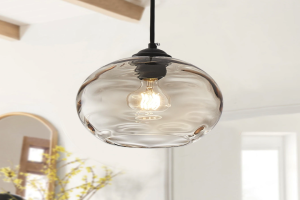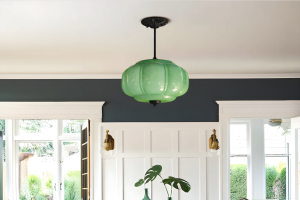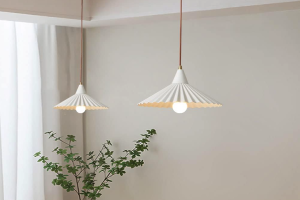
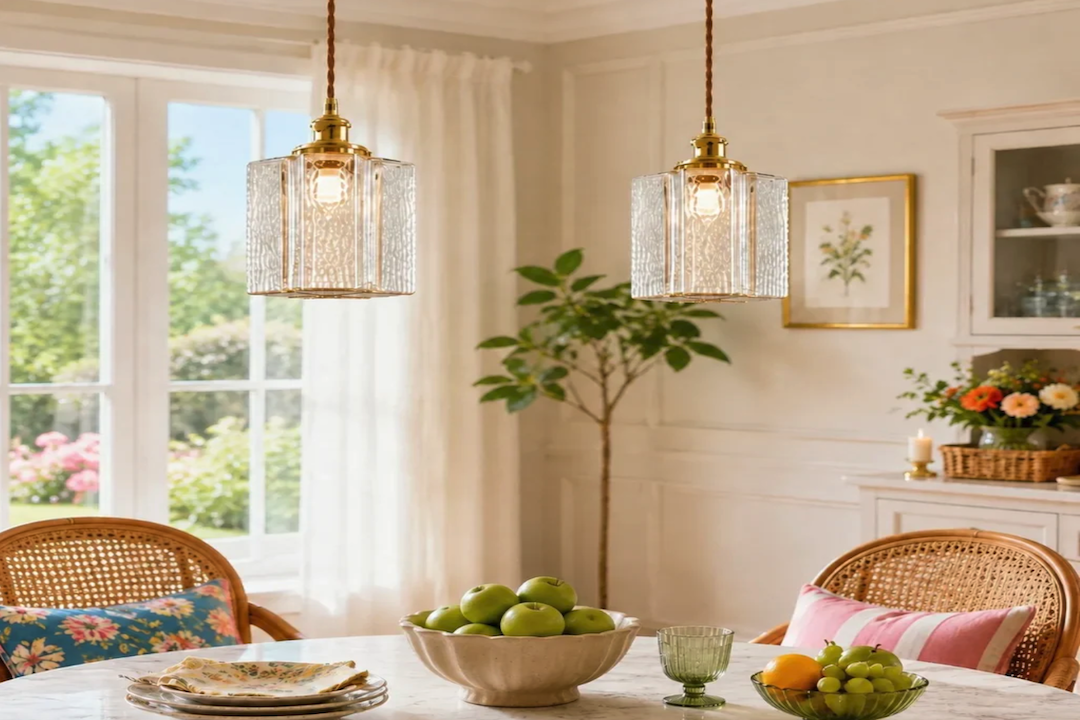
Looking to add a touch of charm and practicality to your kitchen lighting? Hammered glass pendant lights are a fantastic choice. They offer a unique blend of style and function, breaking up light in a beautiful way and adding visual interest without being overly fussy. In short, they’re a great way to elevate your kitchen’s aesthetic.
Hammered glass isn’t just about looking pretty; it actually brings some tangible benefits to your kitchen space. Beyond the immediate visual appeal, there are practical reasons why these types of lights work so well in a functional area like a kitchen.
Unique Light Diffusion
One of the biggest advantages of Wapllp hammered glass is how it handles light. Unlike clear glass, which can sometimes create harsh, direct light or unflattering glare, hammered glass scatters and refracts it. This creates a softer, more ambient glow that’s much more pleasant to work under. Imagine prepping food without sharp shadows or enjoying a meal under a warm, inviting light – that’s the magic of these pendants. It’s a subtle difference, but one that really impacts the feel of the room.
Adds Texture and Interest
In a kitchen, where you often have smooth surfaces like countertops and cabinets, introducing texture is crucial for making the space feel layered and inviting. Hammered glass does this beautifully. The subtle imperfections and variations in the glass catch the eye without being overwhelming. It prevents the room from feeling flat or sterile, adding a handcrafted touch that hints at quality and thoughtfulness. This texture is what truly distinguishes it from standard glass options.
Versatile Design Appeal
You might think hammered glass is only for a specific aesthetic, but it’s surprisingly versatile. Its organic texture and often straightforward forms mean it can seamlessly integrate into various kitchen styles. From modern farmhouse to industrial chic, and even more contemporary minimalist designs, there’s a hammered glass pendant that will fit right in.
Fitting Modern Farmhouse Kitchens
Think rustic wood, open shelving, and a comfortable, lived-in feel. Hammered glass – especially with a darker metal finish like oil-rubbed bronze or blackened steel – complements this aesthetic perfectly. It adds a touch of aged charm without being overtly distressed, echoing the handcrafted elements often found in farmhouse decor.
Enhancing Industrial and Urban Spaces
For industrial kitchens, with their exposed brick, metal accents, and utilitarian feel, hammered glass offers a great counterpoint. While still having a robust, almost factory-like appearance, the glass softens the edges, preventing the space from feeling too stark. A simple, bowl-shaped hammered pendant with a raw steel or iron fixture would be an excellent choice here.
Integrating with Contemporary Minimalist Styles
Even in sleek, pared-back kitchens, hammered glass can find its place. Choose a pendant with a very clean, simple form and perhaps a lighter, more subtle hammering pattern. The textured glass provides just enough visual interest to break up smooth surfaces without disrupting the minimalist aesthetic. It’s about adding depth, not clutter.
Key Considerations When Choosing Your Pendants
Picking the right pendant lights involves more than just liking the look. There are practical aspects to consider that will ensure your lights are not only beautiful but also functional and well-suited to your kitchen.
Size and Scale Matters
This is often where people go wrong. A pendant that’s too small gets lost; one that’s too big overwhelms. Think about the size of your island or peninsula. As a general guideline, for a standard 6-8 foot island, you might use two or three pendants depending on their individual size. If your island is significantly longer, you may need more.
Sizing for Island Applications
- Rule of Thumb for Spacing: Aim for 24-30 inches between the centers of pendants. Also, ensure the pendants are roughly 6-12 inches inward from the edge of the island, so they aren’t bumping into people’s heads or looking awkwardly off-center.
- Pendant Diameter vs. Island Width: For a single, larger pendant over a small island or sink, ensure its diameter is no more than one-third to one-half the width of the surface below. For multiple pendants, the combined width of the lights shouldn’t overcrowd the island.
Hanging Height: The Goldilocks Zone
Getting the hanging height just right is crucial for both aesthetics and functionality. Too low, and they obstruct views; too high, and they lose their impact.
Optimal Height Over Islands and Tables
Generally, the bottom of your pendant light should be about 30-36 inches above the countertop or tabletop. This allows for clear sightlines across the island and prevents people from hitting their heads while working or conversing. If your ceilings are particularly high, you might go slightly higher, but always test it out to ensure it feels right for your space and your household’s height.
Metal Finishes and Hardware
The metalwork of your pendant light plays a huge role in its overall aesthetic and how it ties into the rest of your kitchen. Don’t overlook this detail.
Coordinating with Existing Fixtures
Look at your cabinet hardware, faucet, and other appliances. Do they lean more towards warm tones (brass, bronze, gold) or cool tones (chrome, brushed nickel, black)? You don’t have to match everything perfectly, but aim for a cohesive palette. A mix of two or three complementary finishes often looks best. For example, if your faucet is brushed nickel, consider brushed nickel or matte black pendants for a balanced look.
Popular Finish Options and Their Vibes
- Brushed Brass/Gold: Adds warmth, elegance, and a touch of vintage charm. Great for farmhouse, traditional, or even modern eclectic styles.
- Matte Black: Bold, modern, and industrial. Offers strong contrast and pairs well with almost any color scheme.
- Oil-Rubbed Bronze: Deep, rich, and often with coppery undertones. Perfect for rustic, traditional, and Mediterranean-inspired kitchens.
- Brushed Nickel/Chrome: Clean, contemporary, and versatile. Works well in modern, transitional, and minimalist kitchens.
Beyond the Island: Other Kitchen Placement Ideas
While islands are the star for pendant lights, there are other spots in your kitchen where a hammered glass pendant can shine, adding both light and character.
Over the Sink
A single, well-chosen hammered glass pendant over the kitchen sink can be a delightful focal point. It provides task lighting for washing dishes or prepping vegetables, and it adds a decorative element to an often neglected area. A smaller pendant works best here, keeping scale in mind. Consider a clear hammered glass to allow maximum light for tasks.
Breakfast Nooks and Dining Areas
If your kitchen has a dedicated breakfast nook or a small dining area within the open concept, a cluster of smaller hammered glass pendants or a single larger one can define the space beautifully. The diffused light from the hammered glass will create a cozy and inviting ambiance perfect for meals. This is an opportunity to go for a slightly more decorative shape or a colored glass if it fits your scheme.
Installation and Maintenance Tips
Once you’ve picked out your perfect hammered glass pendants, a little planning for installation and understanding how to keep them sparkling will ensure they look great for years to come.
Professional Installation Recommended
While some DIY enthusiasts might tackle light fixture installation, it’s generally best to hire a qualified electrician. They’ll ensure everything is wired correctly, safely, and up to code. This is especially true if you’re installing new wiring or making significant changes to your lighting layout. Electrical work isn’t something to take chances with.
Wiring and Dimmer Switches
An electrician can also advise on wiring for multiple pendants and, crucially, can install dimmer switches. Dimmers are a game-changer for kitchen lighting, allowing you to adjust the ambiance from bright task lighting to a soft, glow for entertaining or late-night snacks. Hammered glass diffuses light beautifully, and dimmers let you play with that effect even more.
Keeping Them Clean
Hammered glass, by its nature, has texture, which means more surface area for dust and grease to accumulate. Regular, gentle cleaning is key to keeping them looking their best.
Simple Cleaning Routine
- Dust Regularly: Use a microfiber cloth or a feather duster to gently wipe down the glass and metal hardware weekly or bi-weekly. This prevents a thick layer of dust from building up.
- For Grease and Grime: For kitchen-specific grime, mix a few drops of mild dish soap into warm water. Dampen a soft cloth (not dripping wet) with this solution and gently wipe the glass. Follow immediately with a clean, dry microfiber cloth to buff dry and prevent water spots.
- Avoid Harsh Chemicals: Abrasive cleaners or harsh chemicals can damage the finish of the metal or leave streaks on the glass. Stick to mild soap and water.
- Safety First: Always turn off the power to the light fixture at the breaker before cleaning, especially if you’re doing more than a quick dust.
Bulb Choices for Optimal Effect
The light bulb you choose can drastically change the look and feel of your hammered glass pendant. It’s not just about brightness; it’s about color temperature and how the light interacts with the glass.
Color Temperature (Kelvin)
This refers to how warm or cool the light appears. Measured in Kelvin (K), lower numbers are warmer, higher numbers are cooler.
Warm White (2700K-3000K)
This is a soft, inviting light, similar to traditional incandescent bulbs. It enhances warm tones in your kitchen and creates a cozy atmosphere. It pairs beautifully with the diffused light of hammered glass, making the space feel welcoming. Great for dining areas and general ambient lighting.
Neutral White (3500K-4000K)
A good middle ground, offering a clean, crisp light without being too harsh. It’s excellent for task lighting over islands where you need good visibility for food prep. It renders colors accurately, which is helpful in a kitchen.
Avoid Cool White (4000K+)
While some prefer cooler light for very modern, clinical spaces, it can often feel sterile in a home kitchen. The beauty of hammered glass often lies in its ability to create warmth and texture, which is best complemented by warmer or neutral light.
Dimmable LED Bulbs
LEDs are generally the best choice for efficiency and longevity. Investing in dimmable LED bulbs allows you to control the brightness, which is particularly useful for hammered glass pendants. You can brighten them up for tasks and dim them down for atmosphere. Ensure the bulb is compatible with your dimmer switch.
Exposed Filaments for Style
If your hammered glass pendant has an open bottom or a design where the bulb is somewhat visible, consider an Edison-style LED bulb with an exposed filament. These add an extra layer of vintage-inspired charm, and the warm glow from the visible filament complements the textured glass perfectly. Just make sure the light output is sufficient for your needs and that the filament pattern looks good through the hammered glass.
By keeping these practical and aesthetic points in mind, you’ll be well on your way to selecting and installing hammered glass pendant lights that not only illuminate your kitchen but also significantly enhance its style and functionality. They really are a timeless choice that adds depth and character without overwhelming the space.