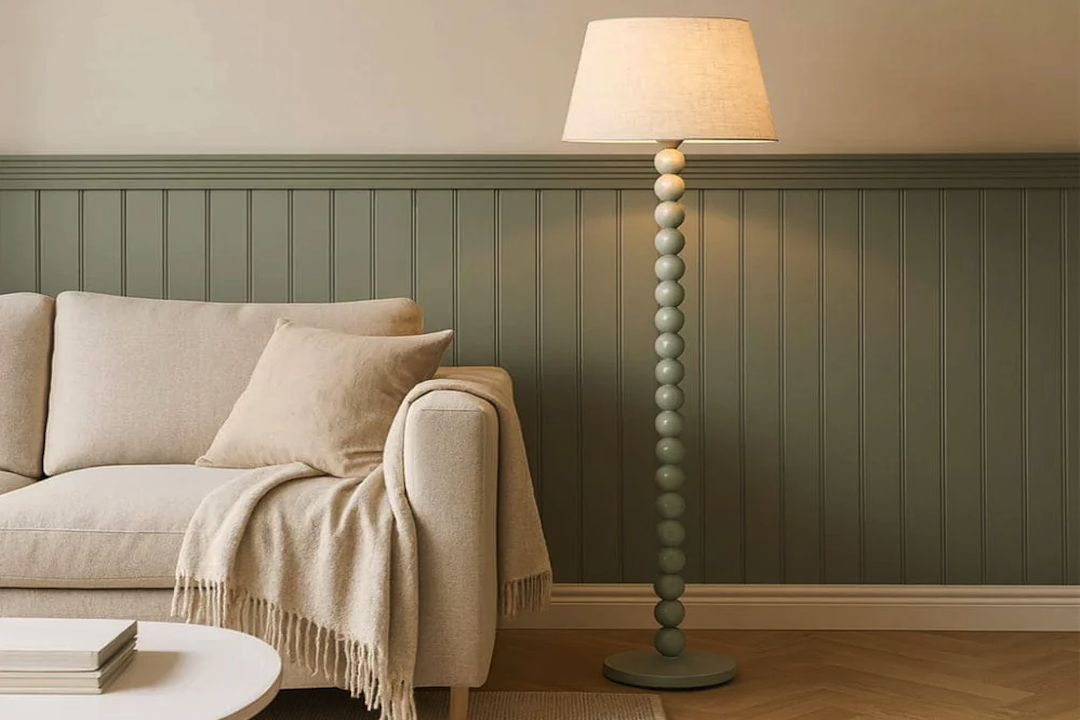
A vintage sage green fabric shade floor lamp is a fantastic choice for a cozy cottage living room. Why? It brings together warm, inviting light, a touch of timeless style, and a soothing color that complements natural textures beautifully. It’s not just a light source; it’s a statement piece that enhances the overall ambiance of your space, making it feel more lived-in, comfortable, and stylish without being overbearing.
Let’s break down why this specific combination hits all the right notes for a cottage living room. It’s more than just aesthetics; it’s about creating a mood and integrating seamlessly with a particular design ethos.
The Charm of Vintage
“Vintage” isn’t just an old item; it’s about character, history, and a certain quality that often transcends modern mass production. In the context of a floor lamp Munilo, a vintage piece often implies solid construction, perhaps a unique base material like aged brass, wrought iron, or a beautifully turned wood.
- Timeless Appeal: Vintage items often possess a design aesthetic that has stood the test of time. They aren’t chasing the latest trends, which means they’ll likely look good for years to come, avoiding the need for frequent replacements.
- Unique Character: Unlike many contemporary items, vintage lamps often have imperfections – a slight patina on the metal, a subtle fading in the fabric, or a small ding that tells a story. These aren’t flaws; they’re features that add warmth and personality.
- Sustainability: Choosing vintage is inherently eco-friendly. You’re giving a new lease on life to an existing item, reducing waste, and lessening the demand for new production. It’s a small but meaningful way to contribute to a more sustainable lifestyle.
- Quality Construction: Older items were often built to last. Many vintage lamps feature robust materials and craftsmanship that can be harder to find in budget-friendly modern alternatives. This means less worry about flimsy components or lamps that won’t hold up over time.
- A Sense of History: There’s something undeniably appealing about owning an item that has lived a life before yours. It sparks curiosity and adds a layer of depth to your decor that new items simply can’t replicate.
The Serenity of Sage Green
Sage green is a muted, earthy shade that draws its inspiration directly from nature. It’s a color that inherently feels calming and balanced.
- Natural Harmony: Sage green effortlessly blends with the natural textures and colors often found in cottage decor – think untreated wood, linen fabrics, wicker, and stone. It evokes feelings of being outdoors, bringing a sense of peace and tranquility into your home.
- Versatile Neutral: While it’s green, sage acts almost like a neutral. It pairs beautifully with a wide range of other colors, from crisp whites and creamy off-whites to warm terracotta, deep blues, and even softer pinks. This versatility makes it easy to integrate into existing color schemes or to serve as a calming base for new ones.
- Soft and Soothing: Unlike brighter or more saturated greens, sage green is gentle on the eyes. It doesn’t dominate a space but rather offers a subtle whisper of color that promotes relaxation and comfort, perfect for a living room where winding down is key.
- Evokes Growth and Renewal: Psychologically, green is often associated with nature, growth, and rejuvenation. Having this color in your home can subtly lift spirits and create a sense of freshness even on a dreary day.
- Timeless Elegance: Like vintage itself, sage green isn’t a fad. It’s a classic color that has been appreciated for centuries and continues to be a staple in interior design, ensuring your lamp won’t look dated anytime soon.
The Warmth of a Fabric Shade
The material of the lampshade plays a huge role in how light is diffused and how the lamp contributes to the overall atmosphere. A fabric shade, especially in a natural fiber, is key to achieving that cozy feel.
- Soft, Diffused Lighting: Hard, opaque shades can create harsh, directional light. Fabric shades, particularly those with a slight translucence, diffuse the light beautifully, scattering it evenly and softly across the room. This avoids glare and creates a much more inviting glow.
- Ambient Glow: Instead of just illuminating a spot, a good fabric shade encourages ambient lighting. It softens shadows and bathes the room in a warmth that makes everything feel more intimate and comfortable. This is crucial for achieving that “cozy” vibe.
- Textural Interest: The fabric itself adds a layer of texture to your decor. Whether it’s a linen-blend, cotton, or even a raw silk, the material brings visual warmth and an additional sensory element to the room.
- Enhanced Color: When light shines through a sage green fabric shade, the color itself becomes part of the light, casting a subtle, warm green glow that further enhances the calming atmosphere without making the room look green.
- Reduced Glare: Fabric acts as a natural filter, reducing harsh glare from the bulb and making the lamp much more comfortable to look at, especially during evening hours when your eyes are adjusting to lower light levels.
Integrating Your Sage Green Floor Lamp into Your Cottage Living Room
Placing and styling your new lamp effectively can amplify its impact and solidify the cozy, cottage aesthetic.
Finding the Perfect Spot
Where you position your floor lamp can make a huge difference in how it functions and how it contributes to the room’s overall feel.
- Beside a Reading Nook: This is a classic placement. Position the lamp slightly behind and to the side of a comfortable armchair or chaise lounge. The diffused light from the fabric shade is perfect for reading, creating a dedicated cozy corner without harsh overhead lighting.
- Near the Sofa: Place it at one end of your sofa. This provides ambient light for conversation areas and can also serve as a good task light for someone sitting there, perhaps knitting or looking at a book. It helps to define the seating area as a comfortable zone.
- In an Underlit Corner: Cottage rooms often have nooks and crannies that could use a little extra illumination. A floor lamp can brighten up a dark corner, making the room feel larger and more welcoming, rather than having a shadowy spot.
- To Define Zones: In an open-plan cottage or a larger living room, a floor lamp can help delineate different functional zones, such as a conversation area from a general thoroughfare, adding a visual anchor.
- Near a Window (Carefully): While it might seem counterintuitive to put a lamp near a window during the day, at night, a lamp placed near a window with curtains drawn can create a beautiful glow that reflects softly off the fabric, enhancing the intimacy of the room. Just ensure it doesn’t obstruct natural light during the day.
Complementary Textures and Materials
To truly bring out the cottage aesthetic, surround your lamp with materials that enhance its natural, vintage feel.
- Natural Woods: Think distressed wood furniture, a rustic coffee table, or exposed wooden beams. The warm tones of wood pair beautifully with sage green and vintage finishes.
- Woven Fabrics: Linen cushions, cotton throws, wool rugs, or even a jute area rug will echo the natural fabric of the lampshade and add layers of texture that scream “cozy cottage.”
- Ceramics and Pottery: Handmade ceramic vases, planters, or decorative bowls in earthy tones or soft glazes will complement the organic feel of the lamp.
- Wicker and Rattan: A wicker laundry basket, a rattan chair, or a small decorative woven tray will integrate well, continuing the theme of natural, handcrafted elements.
- Subtle Metals: Aged brass, matte black iron, or even brushed bronze can pick up on details in the lamp’s base and add a touch of sophisticated aged charm without being too flashy. Avoid shiny chrome or highly polished finishes, which can feel too modern.
- Natural Stone: A stone fireplace, river stone accents, or even a small stone coaster set would tie into the earthy natural theme beautifully.
Pairing with Color Palettes
Sage green is incredibly versatile, but certain color palettes truly make it shine in a cottage setting.
- Warm Neutrals: This is a foolproof combination. Think creamy whites, oatmeal, biscuit beige, mushroom taupe, and soft greys. These colors allow the sage green to be a gentle pop of color while maintaining a serene and airy feel.
- Earthy Tones: Deeper greens, terracotta oranges, muted mustards, and even very soft browns or plums can create a rich, grounded, and very country-cottage feel. This palette feels wonderfully autumnal and cozy.
- Soft Blues and Whites: For a slightly airier, almost coastal cottage vibe, pair sage green with duck egg blue, sky blue, or faded denim hues, along with plenty of crisp white. This combination feels refreshing yet still relaxed.
- Subtle Florals and Botanicals: Embrace patterns! Think chintz, toile, or botanical prints that feature soft greens, pinks, and creams. A sage green lamp can act as a grounding element within these more decorative schemes.
- Faded Pastels: Soft blush pinks, barely-there lavenders, or gentle yellows can create a charming and slightly whimsical cottage look when layered with sage green. The key is to keep all the colors muted and a bit desaturated.
Considerations When Buying a Vintage Floor Lamp
Venturing into the world of vintage can be exciting, but it’s good to go in with a few practical checkpoints to ensure you get a gem, not a headache.
Inspecting the Electrical Components
Safety first! Vintage electrical items need a careful eye.
- Wiring Condition: Look closely at the wiring. Are the cords frayed, cracked, or brittle? Is the insulation visibly damaged? If so, be prepared to have it rewired by a professional. This isn’t usually a major expense but is essential for safety.
- Plug Type: Check the plug. Is it a two-prong or three-prong (grounded) plug? While two-prong is common on older items, if you have modern outlets, ensure it’s still safe to use or upgrade the plug.
- Socket and Switch: Test the switch (if applicable) – does it click firmly? Does the bulb socket look intact, without any visible scorching or corrosion? Bring a bulb with you if possible to test it on the spot.
- UL/CE Approval: While many genuine vintage items predate modern safety listings, for newer “vintage-style” or restored lamps, look for safety certifications. For truly old pieces, the visual inspection and potential rewiring are your best bet.
Assessing the Base and Pole Condition
The structural integrity of the lamp is just as important as the electrical.
- Stability: Give the lamp a gentle wobble. Does it feel stable and well-weighted? A wobbly lamp is not only annoying but can also be a safety hazard.
- Material Flaws: For metal bases, check for significant dents, deep rust (surface rust can often be cleaned), or cracks. For wooden bases, look for large cracks, woodworm holes (if active, avoid!), or significant chips that might compromise its structure.
- Finish Wear: Is the finish original, or has it been restored? If original, a charming patina is fine; excessive peeling paint or uneven staining might indicate poor care or a need for refinishing work.
- Straightness: Stand back and eye the lamp pole. Is it perfectly straight, or does it have a noticeable lean? Sometimes this can be fixed by tightening a connection, but sometimes it’s a permanent warp.
- Joints and Connections: If the lamp has multiple sections (e.g., a multi-tiered pole), check that all joints are secure and thread together properly without stripping.
Choosing the Right Shade Fabric and Construction
The shade is where the “sage green” comes in, and its quality greatly impacts the final look.
- Fabric Type: Consider the weave and material. A solid linen or cotton will offer a clean, natural look. A more textured fabric might add more interest. Ensure the fabric feels durable and not flimsy or prone to tearing.
- Color Consistency: Check that the sage green is even across the shade and hasn’t faded drastically in certain spots (unless that’s a desired part of its vintage charm). Look at it under different lighting conditions if possible.
- Frame and Lining: A good shade will have a sturdy metal frame underneath. Check for rust on the frame itself. The interior lining (if present) should be clean and intact, as this affects light reflection.
- Condition of the Fabric: Look for tears, stains, significant fading, or mildew. Small imperfections might be part of the vintage appeal, but large, unsightly damage might require a new shade – and then you’re just buying a base.
- Shape and Size: Ensure the shade’s shape (drum, empire, bell, coolie) complements the lamp’s base style and that its size is proportionate to the lamp and the space where it will reside. A shade that’s too small or too large can look awkward.
Maintaining Your Vintage Treasure
Once you’ve found your perfect lamp, a little ongoing care will keep it looking great and functioning safely for years to come.
Regular Cleaning and Care
Keeping your lamp dust-free is the easiest way to maintain its appearance.
- Dusting the Shade: Use a soft microfibre cloth or a lint roller to gently remove dust from the fabric shade. For more stubborn dust, a soft brush attachment on a vacuum cleaner can work wonders.
- Wiping the Base: For metal bases, a damp cloth followed by a dry one is usually sufficient. For wood, use a wood-specific cleaner or polish sparingly, avoiding anything that might damage an antique finish.
- Protecting Wiring: Keep cords tidy and out of high-traffic areas where they could be tripped over or damaged. Avoid placing heavy furniture on top of cords.
- Bulb Choice: Use LED bulbs. They consume less energy, produce less heat (reducing strain on old wiring and preventing shade discoloration), and typically last much longer. Ensure the wattage doesn’t exceed the lamp’s recommended maximum (if indicated).
When to Consider Professional Restoration
Sometimes, a vintage lamp needs more than just a wipe-down. Knowing when to call in a pro is important.
- Rewiring: This is probably the most common reason for professional intervention. If the wiring is brittle, exposed, or looks dangerous in any way, a qualified electrician or lighting restorer should rewire it. It’s a quick and relatively inexpensive fix for peace of mind.
- Structural Repairs: If the base is structurally damaged (e.g., a broken weld, a cracked wooden section that compromises stability), a specialist in antique furniture or metalwork might be needed.
- Shade Replacement/Repair: While you can often buy new shades, if the original vintage shade is severely damaged but has unique features you want to preserve, a textile restorer might be able to repair it or use it as a template for a new, identical shade.
- Serious Rust or Patina Issues: While some patina is desirable, extensive rust or corrosion that’s eating away at the metal might require professional cleaning and treatment to prevent further damage.
- Valuable Antiques: If you suspect your lamp is a particularly valuable or rare antique, always consult with a professional restorer or appraiser before attempting any DIY repairs, as improper cleaning or restoration can significantly decrease its value.
A vintage sage green fabric shade floor lamp isn’t just a piece of furniture; it’s an investment in comfort, style, and sustainability. It provides a focal point, creates a warm glow, and instantly makes any cottage living room feel more inviting, cherished, and genuinely “home.” By choosing thoughtfully and caring for it well, it will be a beloved fixture for decades to come.